


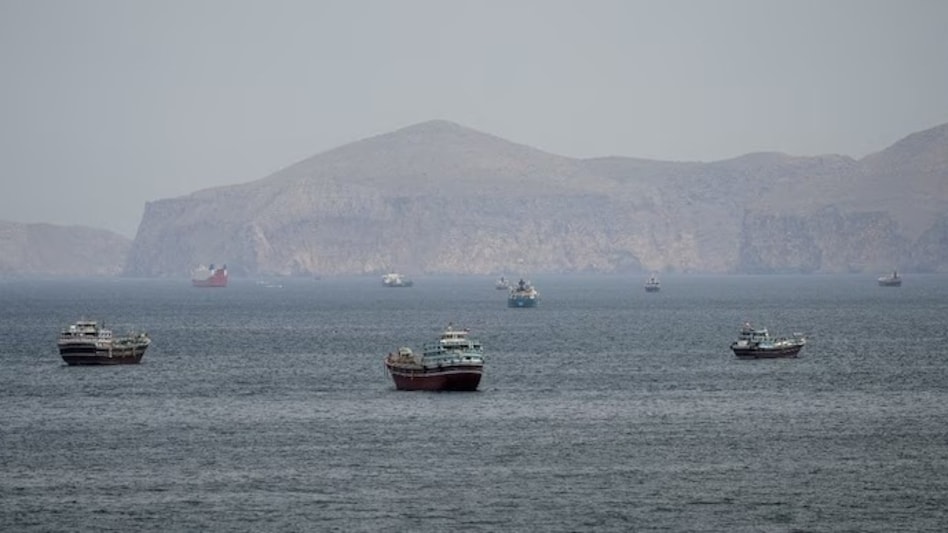
 Shipowners and traders are waiting for confirmation on Hormuz reopening
US-Iran peace deal: Shipowners and traders have met the announcement of the US-Iran peace deal that President Donald Trump said will be signed in Switzerland on Friday and reopen the Strait of Hormuz within days with caution. Industry participants said they needed more details before deciding whether safe transits are possible through the waterway after months of failed arrangements and repeated attacks.
The strait, a vital route for global oil and gas and used to move one-fifth of global oil supplies, has been central to the 107-day conflict. Iran's control over the passage and a US naval blockade on Iranian ports have severely disrupted the energy trade, cutting off some of the world's biggest producers and forcing even major players to use dark transits. Though Trump said the agreement would reopen the strait on Friday, shipowners, crews and traders said the practical and security situation remained unclear, according to a report in Bloomberg.

 Subhash Chandra booked by CBI in alleged ₹1,322 crore LIC Housing Finance fraud case: Report
 Crude oil could crash to $40 after Iran war ends, says US Treasury Secretary Scott Bessent
 Tata Sons chairman race heats up: T V Narendran, Saurabh Agrawal, NSE's Ashish Chauhan in contention
 We have been overestimating GDP growth...: Former Chief Statistician Pronab Sen
 Festive season revival? Indian airlines' capacity continues to shrink
 Parag Parikh Flexi Cap Fund Underperformance: Is Fund Size Becoming A Major Challenge For Investors?
 Midcap, Smallcap Funds: Strong Profit Growth Could Keep Investor Flows Robust, But Valuations Matter
 Travel Insurance Guide: Where To Buy, How Much Cover You Need & When To Get It
 MINI Countryman C Tech Overview | Tech Gear EP 17 | ASUS Jelly75 Keyboard | Business Today
 From LIC At 70 To 100: CEO Doraiswamy’s Big Promise To Policyholders & Shareholders
 Tata Power stock: Choice Broking expects recovery, assigns two price targets
  IPO rush next week: 11 issues eye to raise Rs 7,055 crore; 6 IPOs to open on same day, check details
 600% dividend stock: Check dividend per share, record date, payment date and other key details
 56% rally in TBZ stock: Upper circuit led to record high today; here's why
  Sensex, Nifty snap four sessions of losing streak; RIL, Tata Steel, Bajaj Finance boost sentiment
  CJP protest assault case: Court sends influencer Swatantra Bhardwaj to 1-day police custodySubhash Chandra booked by CBI in alleged ₹1,322 crore LIC Housing Finance fraud case: ReportTata Power stock: Choice Broking expects recovery, assigns two price targets Parag Parikh Flexi Cap Fund Underperformance: Is Fund Size Becoming A Major Challenge For Investors?
 3.7 million followers, 20% engagement: Why Tukaram Mundhe is beating Fadnavis, Shinde on Instagram?












