


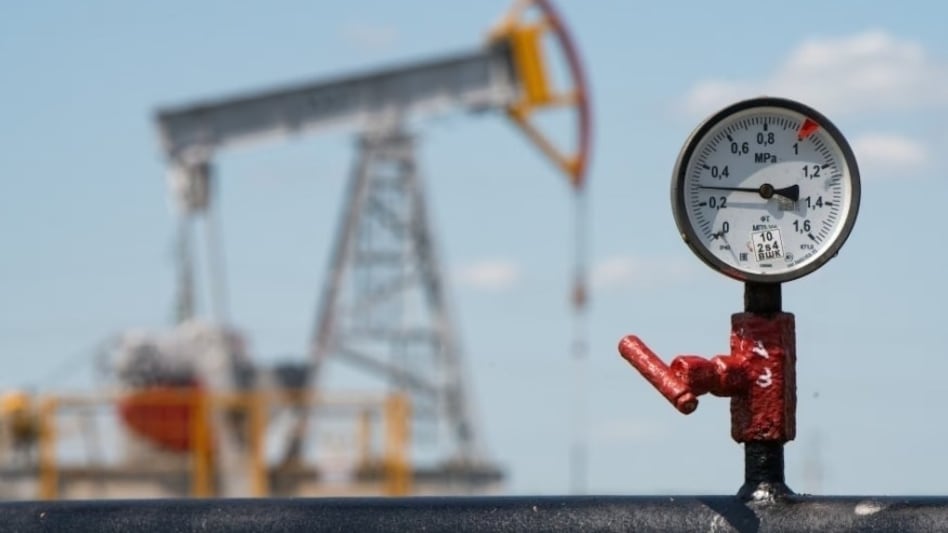
 The US waiver for Iranian oil allowed approximately 140 million barrels to reach global markets
West Asia war: The United States has decided not to renew the 30-day waiver of sanctions on Iranian oil at sea, which is set to expire this week. This decision follows the quiet expiration of a similar waiver on Russian oil over the past weekend, according to two administration officials who spoke to Reuters. This move is part of the US' efforts to impose a blockade on shipments from Iranian ports.
The decision signals an intensification of what an official termed 'Economic Fury' on Iran, referencing the US-led military campaign against the country. The Trump administration has maintained a stance of applying 'maximum pressure' on Iran concerning its nuclear programme and support for militants across the Middle East. Despite these efforts, sanctioned oil has continued to find its way to China.

 3-day ultimatum: Parliamentary panel warns Meta’s Mark Zuckerberg over PM Modi video removal
 RBI holds repo rate steady: Good news for homebuyers, but affordable housing still faces hurdles
 Manipal Health Enterprises makes solid stock market debut; shares list at 11% premium
 'Victim of motivated complaints': PR Sundar says will pursue legal remedies in sexual harassment case
 RBI MPC update: Central bank keeps repo rate unchanged at 5.25%, says Governor Sanjay Malhotra
 Why Dell Got The XPS Back! Chris Cowger Exclusive Interview | Future Of AI PCs
 Why Wires & Cable Stocks Could Stay In Focus As AI, Realty & Energy Demand Accelerates
 Real Estate Stocks: Why Top Developers Continue To Offer Strong Long-Term Investment Opportunities
 India's New Tax Bill Seeks To Make Foreign Fund Management More Attractive
 Gold Vs Silver: Which Metal Could Deliver Better Returns In 2026? Vandana Bharti
 Molbio Diagnostics IPO opens on August 10; check price band, lot size & other key details'Victim of motivated complaints': PR Sundar says will pursue legal remedies in sexual harassment case
 Stock trader P.R. Sundar booked in alleged sexual harassment case: Report Manipal Health Enterprises makes solid stock market debut; shares list at 11% premium
 Ardee Industries IPO opens: Should you subscribe? Check price band, GMP, review & more
 Get iPhone 17 Pro at under Rs 1 lakh on Flipkart ahead of Freedom sale: Here’s how
 RBI proposes uniform loan interest rate framework across banks, NBFCs; here's what investors should note
 ED registers 4,622 PMLA cases in five years; secures convictions in 43
 'Decent 2BHK starts at ₹1.4 crore': Netizen says buying home in Bengaluru 'feels more like a fever dream'Molbio Diagnostics IPO opens on August 10; check price band, lot size & other key details










