

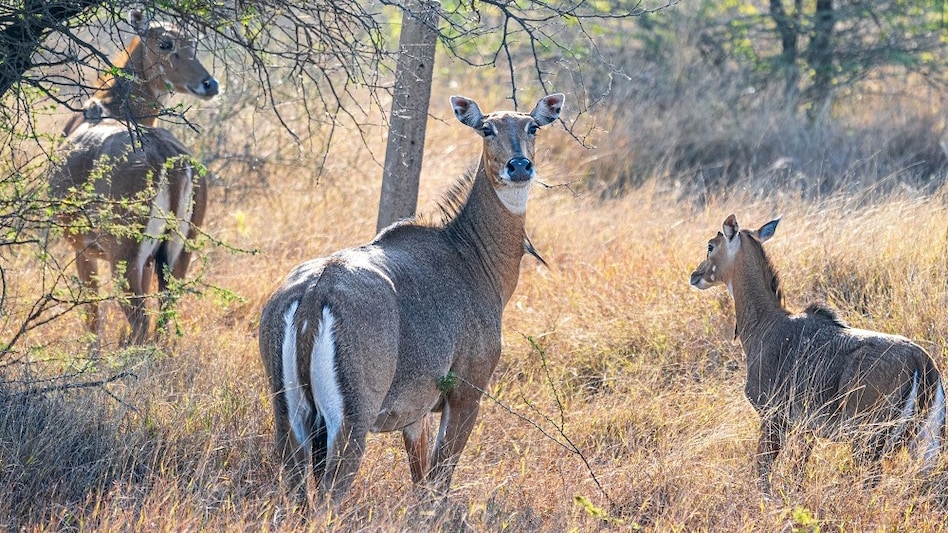
 Nilgai are not considered an invasive species in their native India, but they can still create conflicts with humans.
 It looks like a familiar sight from the Indian landscape — but thousands of kilometres from its native home, the nilgai has become an unexpected ecological problem.
India’s largest antelope, the nilgai or blue bull, was introduced to Texas nearly a century ago as a potential ranch animal. The plan was to raise the animals for meat. Instead, the species found something far more valuable than a ranch: an environment where it could reproduce and spread with few natural checks.
 BT Big Story: The price tag of UPI: Will small shops go back to cash?
 Trump-Xi meet: Warm words, sharp divide on AI as US-China moves into ‘superintelligence’ age
 Insurance commission caps: What happens to your policy when the seller earns less?
 '6 crore shopkeepers, traders impacted': Trade body urges Nirmala Sitharaman to roll back UPI MDR
 What is panda diplomacy? How China uses giant pandas to build global ties
 Meta’s New Gadgets: Camera-Free Glasses, VR Eyewear And AI Handheld Device Unveiled
  MDR Levy: Will Retail Trading Volumes Take A Hit? | NSE Chairman Srinivas Injeti
 NSE Lists At ₹1,800: Exclusive Post-Listing Interview With India's Largest Exchange
 From Mobile Trading To AI: How NSE Plans To Protect Market Integrity
 NSE On India’s Capital Markets Growth | IPOs, REITs, InvITs And More
 Inox Green, Wheels India shares in focus as QIPs kick off; key details
  MCX, Divis Labs, Radico Khaitan: Top stocks to trade — Key levels, target prices & stop loss
 GIFT Nifty down 20 points; ESDS, Waaree, LTTS, Nykaa, Purple Style Labs among top stocks in focus
 PB Fintech share price: Jefferies cuts target by 25%; upside, downside scenarios
  SEBI allows PMS exposure to foreign securities: What products can clients access?Inox Green, Wheels India shares in focus as QIPs kick off; key details MCX, Divis Labs, Radico Khaitan: Top stocks to trade — Key levels, target prices & stop lossWhat is panda diplomacy? How China uses giant pandas to build global tiesGIFT Nifty down 20 points; ESDS, Waaree, LTTS, Nykaa, Purple Style Labs among top stocks in focusPB Fintech share price: Jefferies cuts target by 25%; upside, downside scenarios












