


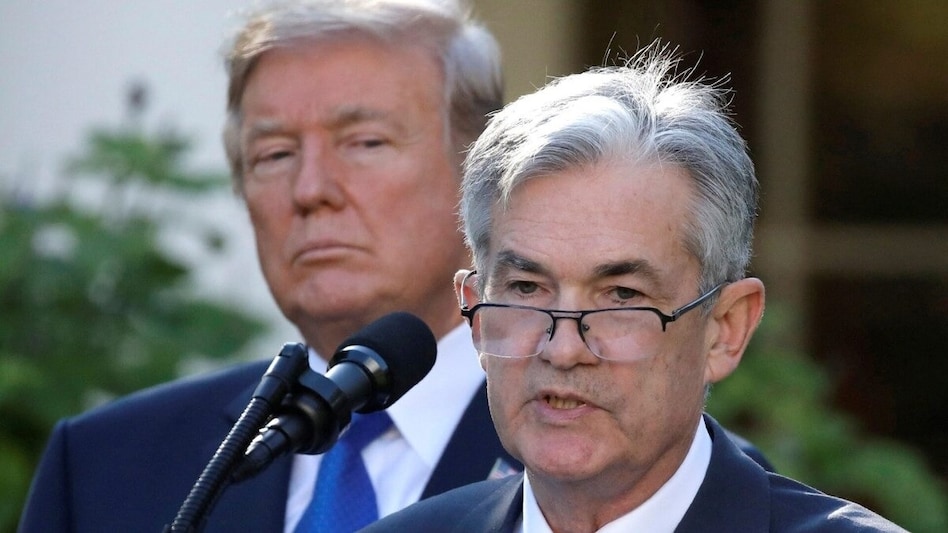
 While the investigation was framed around renovation costs, it unfolded against a long-running feud between Powell and Trump.
 The US Department of Justice’s decision to drop its criminal probe into Federal Reserve Chair Jerome Powell marks the end of an unprecedented legal and political clash with US President Donald Trump. The episode — often described as a test of central bank independence — blended legal scrutiny, partisan pressure, and a high-stakes battle over interest rates and control of the US economy.
What was the case against Powell?

 RBI raises repo rate after nearly 4 years: Are more hikes coming? Here’s what economists say
 GST cuts insurance tax rates in 2025: A year on, consumers still await the full benefit in premiums
 Elon Musk says Starlink blocked by 'oligarchs' in India: 'You can guess who they are'
 Sensex, Nifty recovery attempt falters after RBI rate hike; is further caution warranted?
 RBI clears the air on new forex reporting rules: Framework does not apply to individuals
 Kotak Securities Rebrands Retail Business As Kotak Neo, Bets On Tech And New-Age Investors
 This Week In Cinema: Bokshi, Dongri, Other Mommy And More Hit Theatres This Week
 BT Golf Celebrates 27 Years Of Excellence With New Edition Coming Soon
 Amazon Demand From Tier 2, 3 Cities Ahead Of Great Indian Festival
 RBI Rate Hike Explained: Higher EMIs, Costlier Loans? What It Means For Your Money
 Nithin Kamath: ‘IPOs are a full-on party’ as 67% of recent listings trade above issue price despite market slump
 MobiKwik shares zoom 30% in three days; what analysts say on next move?
 Sebi asks Jane Street to respond after sharing trade data in market manipulation case: Report
 Shriram Finance, other housing finance stocks look attractive post RBI rate hike: ExpertSensex, Nifty recovery attempt falters after RBI rate hike; is further caution warranted?
 FD rates rise: How much will ₹5 lakh earn under Bajaj Finance’s new rates?
 Edelweiss US Technology Fund: 40% of portfolio riding the AI supply chain
 Gen Z’s Garba glow secret? Ahmedabad youth turns to IV drip therapy this Navratri
 Gulf war repair bill cut to $40 billion from $58 billion: Rystad Energy
 Salary runs out before payday? These 9 money-saving tricks helped this 28-year-old woman save ₹6.35 lakh a year












