









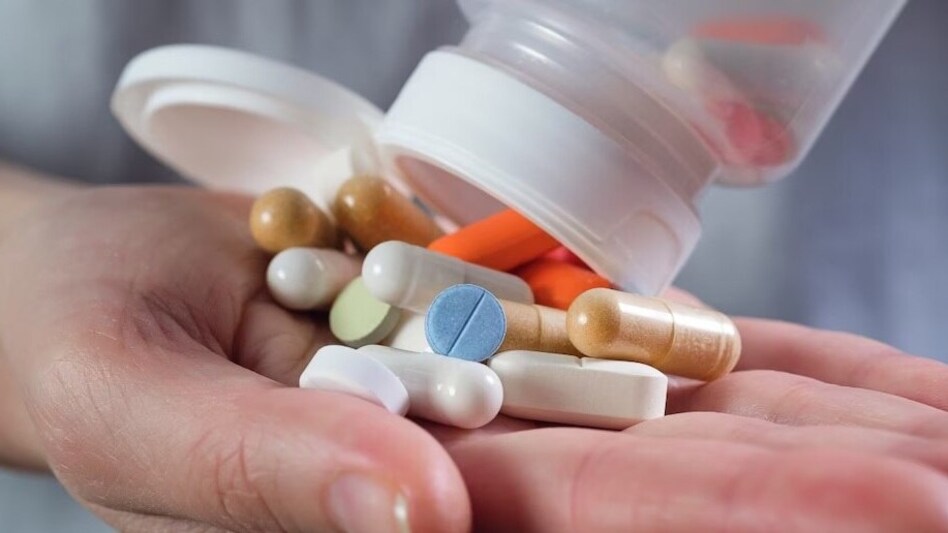
 US pharmaceutical imports reached about $213 billion in 2024, highlighting the importance of global supply chains in meeting demand.

 US pharmaceutical imports reached about $213 billion in 2024, highlighting the importance of global supply chains in meeting demand.
The Trump administration has decided not to impose tariffs on generic drugs imported from foreign countries, following months of deliberations over whether to target most drugs dispensed in the U.S., as reported by the Washington Post.
The administration had been considering tariffs on a range of pharmaceutical products and their ingredients under Section 232 of the Trade Expansion Act of 1962, which allows for action in the interest of national security. Last month, President Trump hinted at imposing 100% tariffs on brand-name drugs, but made no mention of generics. He ultimately delayed the decision to give drug companies more time for negotiations.
India, the world’s largest supplier of generic prescription drugs to the US, plays a pivotal role in meeting American demand, accounting for 47% of all generic prescriptions. This makes India a critical player in US pharmaceutical distribution, surpassing domestic production, which holds a 30% share.
The decision to exempt generics from tariffs marks a significant reduction in the scope of the Commerce Department’s ongoing tariff investigation into the pharmaceutical sector. When the probe was first launched in April, it targeted both finished generic and non-generic drug products, as well as drug ingredients. However, following fierce internal debates within the Trump administration, the White House chose to focus only on brand-name drugs, as per the Washington Post report.
The internal conflict centered around national security concerns, with hardliners pushing for tariffs to encourage domestic pharmaceutical manufacturing. However, members of the Domestic Policy Council warned that applying tariffs to generics would likely lead to higher prices and potential shortages. They also noted that the cost of producing generics in countries like India is so low that even high tariffs would not make US production financially viable, as per the report.
Indian pharmaceutical companies, such as Cipla, Sun Pharmaceuticals, and Dr Reddy Laboratories, are major suppliers to the US, contributing to over half of the prescriptions in five of the top 10 therapeutic areas. These include treatments for common conditions such as cholesterol, hypertension, depression, and diabetes. Generic versions of popular drugs — like Metformin (diabetes), Atorvastatin (cholesterol), and Losartan (blood pressure) — are crucial to the availability of affordable medications for American consumers.
The US pharmaceutical market has been growing rapidly, with imports nearly tripling over the past decade. According to the United Nations Comtrade Database, US pharmaceutical imports reached about $213 billion in 2024, highlighting the importance of global supply chains in meeting demand.
President Donald Trump announced on September 25 that a 100% tariff would be imposed on branded or patented pharmaceutical products from foreign countries starting October 1. However, he clarified that this measure would not apply to companies that are building drug manufacturing plants in the US, including those that have already broken ground on construction sites.
 Major relief! Price of 19 kg LPG cylinder cut by ₹183.50; check new rates
 Fixed deposits remain a safe bet in July 2026: Where can investors earn highest interest?
 July 1 rulebook is here: 6 money changes that will affect your ITR, passport, Aadhaar and credit cards
 NCC shares in focus on Rs 535-crore order win, more details
  Gold, silver prices today (July 1): Yellow metal stays below ₹1.5 lakh, silver remains stable; check latest rates here
 IBM’s Quantum Bet On India: CEO Arvind Krishna Announces New Research Centers & Talent Hubs
 Rajnath Singh’s Big Vision: Why Gujarat Is Set To Become India’s Next Defence Manufacturing Hub!
 WhatsApp's Biggest Transformation Begins! No Phone Number, Ads & Premium Plans
 PM Modi Meets Top Secretaries | Watch To Know The Full Agenda
 100% Road Tax Waiver For Clean Vehicles! Centre's Big Push For EVs & Green Transport
 BT Opening Bell | Sensex, Nifty open in green; M&M, Titan, Eternal, Infosys top gainers
 KPIT Technologies warns of a weak Q1; JPMorgan downgrades stock, cuts price target
  Shriram Finance, Glenmark, PCBL Chem: Top stocks to buy — Target prices, stop loss & moreNCC shares in focus on Rs 535-crore order win, more details
  Nifty, Sensex, Nifty Bank outlook for today: GIFT Nifty down 7 points; key levels to watch