
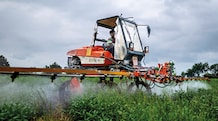
With appropriate policy responses, import dependence in edible oils, pulses and fertilisers can be reversed.

There are concerns regarding ethanol production, not least among them the water intensity of crops such as paddy, maize, and sugarcane that currently predominate this space.

Coal can be as clean as any other energy source and make India self-reliant in fertiliser and oil & gas, as China and South Africa have proved. but for that, the country will have to pursue coal gasif...

Together with reverse migration and a deficit monsoon, the rural jobs crisis may precipitate a livelihood crisis.

Along with stagnant wages, longer working hours, contractual engagement, rising cooking gas and cooked food prices, the absence of a union and collective bargaining has produced a volatile mix
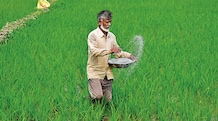
India's nano-fertiliser ambitions, which promised to make the country self-reliant in fertilisers, have fizzled out due to doubts over efficacy.
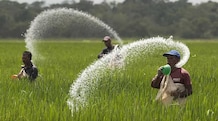
India has significantly ramped up fertiliser production in recent years and now has the potential to become self-sufficient

The new Rs 99,446 crore incentive to create 35 million new jobs in the formal sector over two years pins too much hope on big companies.

Not only India's relief packages are grossly inadequate it is not even spending enough to revive demand in the crisis-hit economy; what is needed is clear: more fiscal spending, not "keeping the power...

The Bombay Plan, authored by the doyens of industry in 1944 first envisioned state planning, state ownership and control of industries to make India "self-sufficient" long before Nehru's ideas took ro...
 How Is Alexa+ Different? Will It have Ads Even If You Pay? Exclusive Chat
 Who is Mandeep K Bhandari? Meet the new CBSE chairman with 25 years of administrative experience
 ‘A terrorist country is asking me...’: EAM Jaishankar hits back at Pakistani reporter at UN briefing
  Odisha Clears ₹22,634 Crore AI Project | SentraForge AI’s Big Infrastructure Bet
 Government to borrow ₹7.86 lakh cr in H2 FY27; Sovereign Green Bonds to raise ₹15,000 cr
 IPO rush: Four IPOs conclude today; check subscription status, other details of issues still open
 Meesho shares slip 7% as Nomura assigns 'reduce' call; here's what the brokerage says
  Sensex, Nifty extend losing streak to seventh week, longest since 2020: What's next?
 Suzlon in bear grip: Oversold signals emerge near 52-week low for the stock
  EIL shares jump 7% to hit record high; stock up nearly 62% in six months: What's driving the rise?How Is Alexa+ Different? Will It have Ads Even If You Pay? Exclusive Chat
 Demand Robust Across Segments | Production To Ramp Up, Exports To Expand: Vivek Srivatsa
 GST Council To Meet On October 7: Invoice Matching, ITC & UPI MDR Tax In Focus
 Tata Chip Plans Stay On Track Despite Boardroom Rift; Dholera Fab Investment Unaffected
 GLP-1 Drugs Face Eye Safety Concerns: Will Fresh Scrutiny Impact India's Growing Market?