















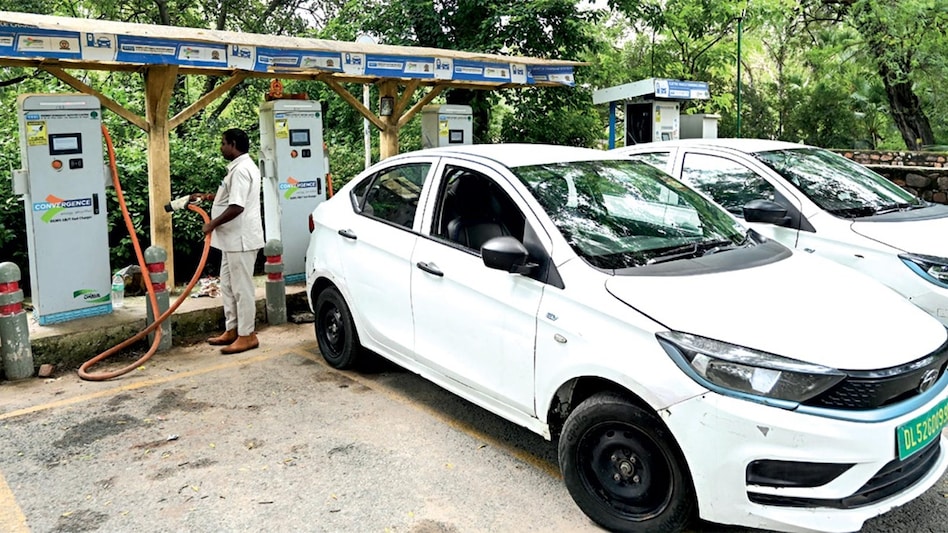
 The Delhi Transport Department had released the draft EV Policy 2.0 in April and sought public suggestions until May 10.
 The Delhi government is likely to introduce its new Electric Vehicle (EV) Policy 2.0 with several revised provisions, including restrictions on the resale of subsidised electric vehicles. The proposed policy, drafted after incorporating public feedback, is expected to be presented for Cabinet approval in an upcoming meeting chaired by Chief Minister Rekha Gupta on May 26.
Five-year restriction on sale
FAQs
What is Delhi EV Policy 2.0 and when is it expected to be approved?
Delhi EV Policy 2.0 is the proposed new electric vehicle policy of the Delhi government, with revised rules on subsidies, resale and tax benefits. It is expected to be placed for Cabinet approval in a meeting chaired by Chief Minister Rekha Gupta on May 26.
What is the proposed five-year restriction on selling subsidised electric vehicles in Delhi?
Under the proposal, buyers who take government subsidy for an electric vehicle may not be allowed to sell or transfer that vehicle for five years. The government may withhold the No Objection Certificate for transfer, re-registration or even movement to another state during this period.
Who will be eligible for EV subsidy under Delhi EV Policy 2.0?
Only Delhi residents buying government-approved electric vehicle models are likely to be eligible for subsidy. Buyers will need to apply within 30 days of vehicle registration, and the amount is proposed to be sent directly to their bank account through Direct Benefit Transfer within 60 days.
What subsidy benefits are proposed for electric vehicles under Delhi EV Policy 2.0?
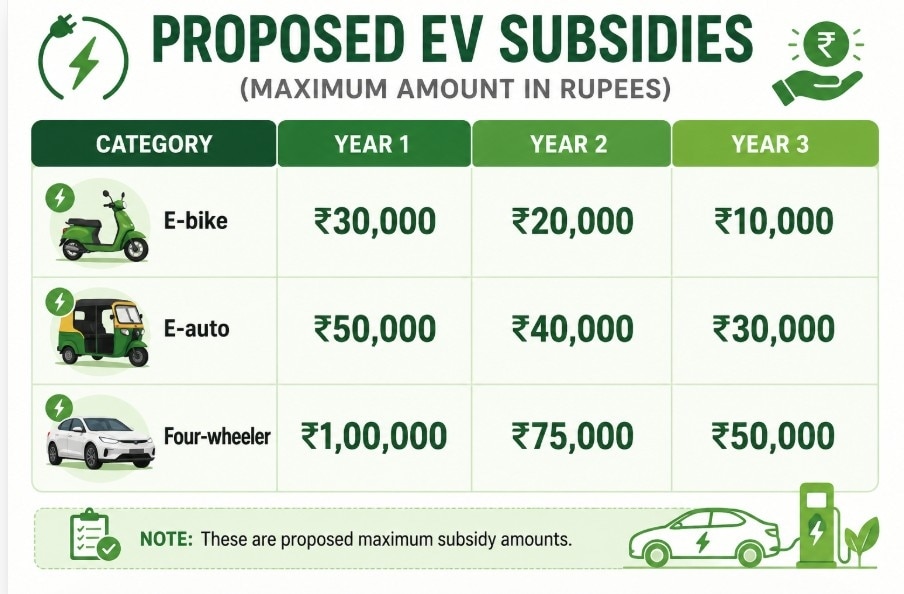
The draft policy proposes up to ₹30,000 for e-bikes, up to ₹50,000 for electric autos and up to ₹1 lakh for electric four-wheelers in the first year. These subsidy amounts are proposed to reduce gradually in the following years.
What other EV incentives and tax benefits are available in Delhi and across India?
The proposed Delhi policy offers road tax and registration charge exemption for EVs priced up to ₹30 lakh, while strong hybrids may get a 50 percent concession. Buyers scrapping old BS-4 vehicles and shifting to EVs may also get extra incentives. Across India, EV buyers benefit from lower GST of 5 percent and support under the Centre’s PM E-DRIVE scheme, along with additional state-level incentives in places such as Maharashtra, Gujarat, Telangana and Uttar Pradesh.

 ‘No one owes Air India a living’: Backlash in Singapore parliament as airline seeks $1.5 billion from Tata, SIA
 SIP inflows hit ₹1.26 lakh crore in April-July: Is too much money chasing too few stocks?
 ‘If there were a market contagion’: Why Zerodha’s Nithin Kamath finds margin funding business scary
 Why HDFC Bank is facing a lawsuit in the US
 Sugar shortage in India: Festive season gets less sweeter! Blinkit, Swiggy Zepto cap order sizes
 Tejasvi Surya Slams Bengaluru Tunnel Road, Calls It A ‘Real Estate Project’ Not A Traffic Fix
 Auto, Hospitals, Pharma & Agrochemicals: Expert Reveals Top Sectors For H2 FY27
 HAL Stock: Can New Engine Deals Unlock The Next Growth Phase? Expert Decodes
 Air India Seeks $1.5 Billion Fresh Equity From Tata, Singapore Airlines Amid Losses: Reports
 Gurugram Road Caves In At IFFCO Chowk After Heavy Rain, Waterlogging Disrupts Traffic
 NSE IPO to headline September IPO rush; nearly 20 issues to hit D-St to raise upto Rs 45,000 crore
 IREDA, Ashok Leyland, SBI, Mazagon Dock, Narayana Hrudayalaya shares: Expert weighs in
 ACME Solar shares off 2% from day's high despite securing Rs 1,571 crore project funding
 Sembcorp Green Infra files draft papers with SEBI for Rs 3,750 crore IPO‘If there were a market contagion’: Why Zerodha’s Nithin Kamath finds margin funding business scaryTejasvi Surya Slams Bengaluru Tunnel Road, Calls It A ‘Real Estate Project’ Not A Traffic FixAuto, Hospitals, Pharma & Agrochemicals: Expert Reveals Top Sectors For H2 FY27NSE IPO to headline September IPO rush; nearly 20 issues to hit D-St to raise upto Rs 45,000 crore
 Ahmedabad’s flex workspace leasing explodes 570%: Is India’s boom spreading beyond Bengaluru, Mumbai & Delhi?
 UP buys India's bikes, Maharashtra buys its cars: SIAM data reveals two-speed auto market


