


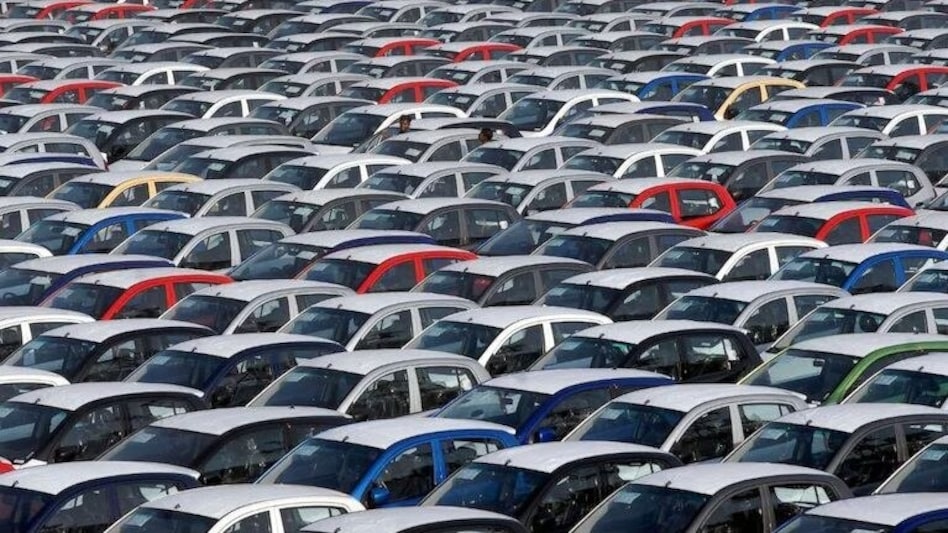
 Govt Rules Out Parking Proof for Car Registration
The Centre has ruled out any move to mandate proof of parking for vehicle registration, even as it flagged the growing strain of traffic congestion in urban India. In a written reply in the Rajya Sabha on Wednesday, Road Transport and Highways Minister Nitin Gadkari said there is currently no legal provision requiring vehicle buyers to submit an affidavit confirming availability of parking, and no such proposal is under consideration.
Must Read: Into the Storied History of Timeless Cars

 Jio IPO: Meta, Google, ADIA, 7 others eye Rs 3.2 lakh crore stake value, gains on investment
 LIC shares climb 2% as IDBI Bank strategic buyer Fairfax gets government approval
 No more guesswork with unknown calls? Govt mandates caller name display from November 1
 Layoffs are ‘normal in SaaS’: Sridhar Vembu says there’s a lot of pressure on the cost side
 BT BIG STORY: IPO done, NSE is now looking at other options for future business
 Vijay’s Viral Hand Gesture Gets RSS Twist As DMK Sparks Fresh Political Row
 IDBI Bank Sale To Fairfax: A Landmark Deal For India's Banking Sector? Gaurang Shah
 Tata Technologies Q2 FY27 Results | Warren Harris On Q2 Growth, Big Deals And FY27 Outlook
 ASUS ROG Zephyrus G14 (2026) Review: ₹3.6 Lakh Gaming Laptop Worth Buying?
 IMC 2026: The Biggest Tech Innovations You Need To See!
 Acme Solar shares: Axis Capital initiates coverage, sees 31% upside; check stock reaction
 Sahajanand Medical Technologies IPO: Should you apply? Check price band, reviews, fresh GMP & moreJio IPO: Meta, Google, ADIA, 7 others eye Rs 3.2 lakh crore stake value, gains on investment
 Sensex, Nifty surge 1% each; reverse AI trade, Jio IPO, rupee in spotlight
 Canara Bank shares tumble 6% to hover near 52-week low; what brokerages say Acme Solar shares: Axis Capital initiates coverage, sees 31% upside; check stock reaction
 Gold-Silver Outlook: Can Gold Hit $4,220? Vandana Bharti on Key Levels, Rupee Impact and Silver’s
 Market Sentiment Improves; Gold, Silver, Yields Underperform NiftyNo more guesswork with unknown calls? Govt mandates caller name display from November 1Sahajanand Medical Technologies IPO: Should you apply? Check price band, reviews, fresh GMP & more












