


 Maruti Suzuki is working to make as accurate an estimate as possible of the likely growth of the car market over the next five years.
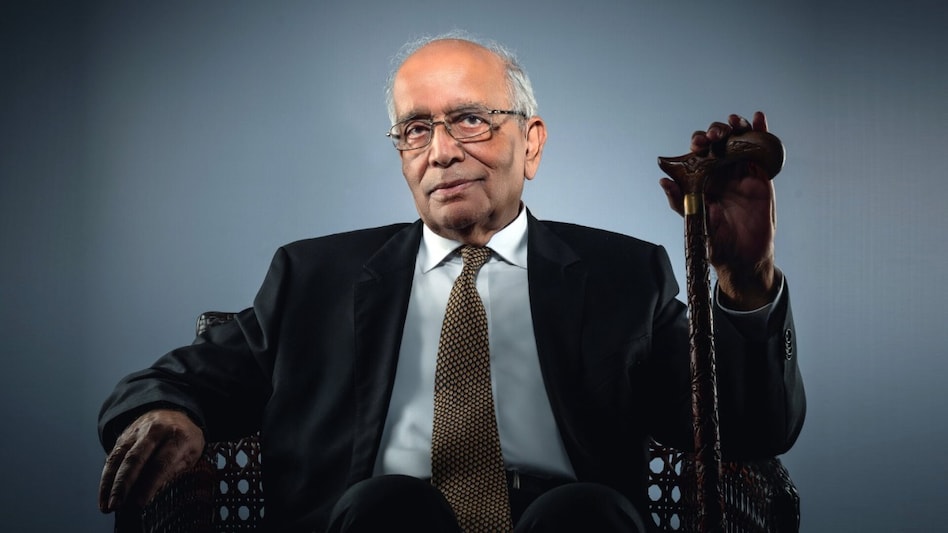
India’s small-car market is set to grow significantly faster over the next five years than it has in the past five years, according to Maruti Suzuki India Ltd Chairman R. C. Bhargava, as the country’s largest carmaker by volume expects the overall passenger vehicle industry to expand to 6.1-6.3 million units by financial year 2030-31.
“The share of the small car market would grow significantly faster than its pace of growth in the last five years,” Bhargava said in Maruti Suzuki’s Annual Integrated Report 2025-26.

 Upcoming IPOs: 5 mainboard issues to Rs 7,500 cr next week; three other to make D-st debut
 US tariff on Russian oil buyers: Brace for possible $120 crude shock, warns CareEdge
 No attacks on allies, compensation: Iran lays down six demands to reopen Hormuz
 'Trump can't afford it, India should not get worked up yet': Ex-ambassador on 100% tariff threat
 JD Vance dials PM Modi, discusses ways to deepen India-US ties
 Corporate Health Cover Vs Personal Health Insurance: What Every Employee Must Know
 Large Cap, Mid Cap Or Small Cap Funds: Which Mutual Fund Should You Choose For Better Returns?
 I.T. Stocks Rebound After Sharp Rally: Is The Worst Over Or Is Caution Still Needed?
 Income Tax Notices Explained: Common ITR Mistakes That Can Trigger A Tax Department Notice In India
 Reasons Why Your Health Insurance Claim Gets Rejected | Experts Share How To Avoid Them
 Upcoming IPOs: 5 mainboard issues to Rs 7,500 cr next week; three other to make D-st debut
 Poonawalla Fincorp: Planning to buy the NBFC stock? Here's what expert says
  Adani Green shares down 16% from July high; is it time to buy this Adani stock? Targets
 Short-term buy ideas: 2 stocks that Pradip Halder is betting on
 India’s realty IPO market evolves: Why workspaces, managed assets are next big theme
 Spider-Man: Brand New Day box office collection Day 11: Tom Holland film crosses ₹458 crore in India, eyes new Hollywood record
 Gold, silver prices today (August 9): Check latest rates in Delhi, Mumbai, Kolkata, other citiesUpcoming IPOs: 5 mainboard issues to Rs 7,500 cr next week; three other to make D-st debutUS tariff on Russian oil buyers: Brace for possible $120 crude shock, warns CareEdge
 Petrol, diesel prices today, August 9: Check latest rates in Delhi, Mumbai, Chennai, Kolkata & more










