


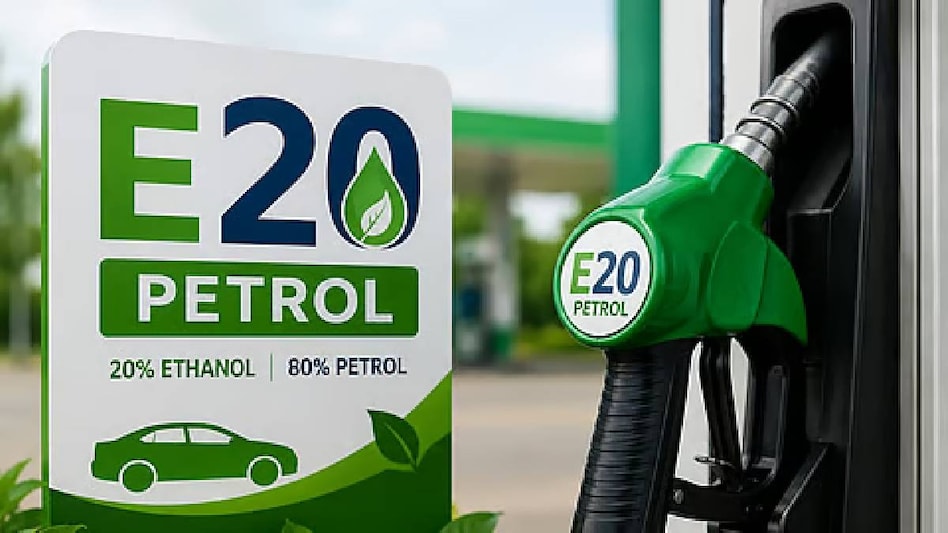
 The government also claimed that petrol prices could have touched ₹125 per litre during the recent West Asia crisis if ethanol blending had not reduced India's dependence on imported crude oil
The Centre on Thursday mounted a strong defence of its E20 ethanol blending programme, telling Parliament that there is no verified evidence of widespread engine failures linked to E20 fuel despite more than 23 crore vehicles operating on higher ethanol blends across the country. The government also claimed that petrol prices could have touched ₹125 per litre during the recent West Asia crisis if ethanol blending had not reduced India's dependence on imported crude oil.
In a written statement tabled in the Lok Sabha, Road Transport and Highways Minister Nitin Gadkari said more than 20 crore two-wheelers and over 3 crore petrol cars have been operating on E15+ and E20 petrol for over two-and-a-half years without any verified evidence of widespread engine failure or vehicle breakdown attributable to ethanol blending.

 From chips to fabs: Ashwini Vaishnaw explains how India is building its semiconductor ecosystem
 JSW MG Motor launches India’s first plug-in hybrid Hector Tomahawk PHEV at Rs 25.69 lakh
 Dubai airport passenger traffic plunges 31% in first half as Iran war disrupts Gulf travel
 GLP-1 market may be smaller than expected, says Lupin; plans next wave of weight-loss drugs
 Waaree, Premier, Vikram Solar, Emmvee: Check targets & upside potential for India's solar stocks
 Onam 2026: Kerala Celebrates Mahabali, Pookkalam, Sadhya And Gen-Z Festivities
 Hindustan Copper OFS: Is This The Right Time For Retail Investors To Buy?
 Sugar Stocks Or Pharma: Where Should Investors Bet?
 FM Sitharaman Invites Canadian Investors To India’s Insurance, Chips And Rare Earths
 Gurugram, Delhi Drown After Hours Of Rain | Roads Flooded, Children Stranded
 Piper Serica exits CDSL, CAMS shares; adds Gland Pharma, Astra Microwave
 ITC, Eternal, Swiggy, HUL, Titan, Jubilant Food shares: BNP Paribas target prices
 Bank of Maharashtra share price: Analyst sees Rs 150-180 long-term target; key levels to watch
 Paytm shares to rally to Rs 1,800! Analyst decode strong momentum: Should you buy?Waaree, Premier, Vikram Solar, Emmvee: Check targets & upside potential for India's solar stocks
 14 infants killed as fire breaks out in gynaecology ward of Pakistan’s PIMS Hospital
 SSC CGL Exam Date 2026 updates on Official Sarkari ResultPiper Serica exits CDSL, CAMS shares; adds Gland Pharma, Astra Microwave
 Missed August 23 LPG e-KYC deadline? Oil firms extend Aadhar verification window till August 31ITC, Eternal, Swiggy, HUL, Titan, Jubilant Food shares: BNP Paribas target prices












