


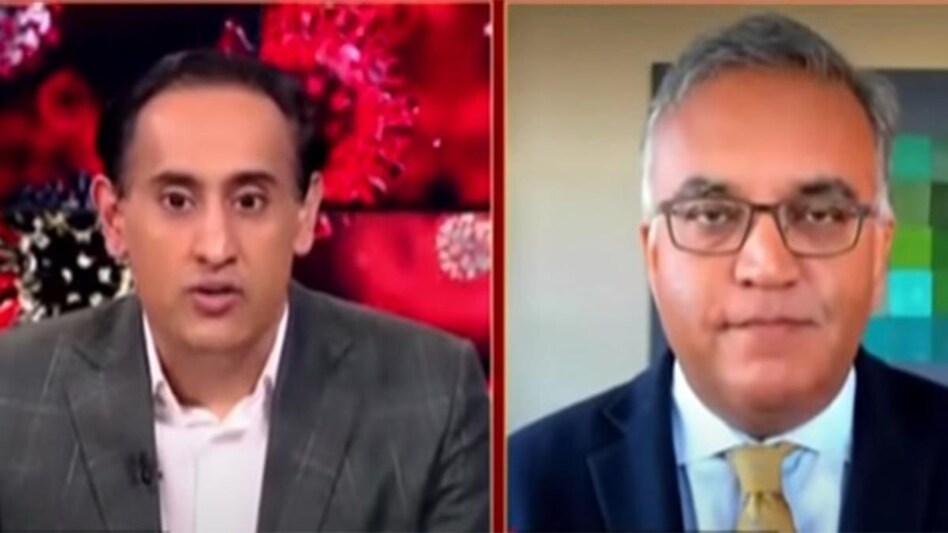
 Dr Jha said that vaccines are working at preventing severe illness and this infection is not very severe in vaccinated people
Brown University’s Dr Ashish Jha forecast that India is likely to witness a steep rise in cases in the coming weeks. “India is in a different place than where it was a year ago. Here’s what I think people should expect. What we’re seeing in country after country is a very sharp rise in cases. I think that will happen in India in the upcoming weeks. India will probably see a large wave of infections,” he said.
Dr Jha added that tens of millions or maybe hundreds of millions of Indians can get infected and that the consequences of this wave will be much milder than the Delta wave that India witnessed in March-May this year. He also noted that natural immunity or infection-induced immunity from the Delta wave and record vaccination numbers in India are the big reasons that the outcome of this wave will be much milder.

 NSE IPO opens today: 10 key reasons to subscribe | What top brokerage houses say
 Russian oil & gas purchase: US House passes bill clearing path for 100% tariffs on India, China
 US Fed delivers first rate hike in over 3 years as inflation lingers, Trump calls for 1% benchmark
  Trump praises PM Modi's anti-drug drive while designating India in major drug transit list
 Centre slashes windfall tax on export of petrol, diesel and aviation turbine fuel
  FCNR Deposits Bring $136 Billion: Will Bank Credit Growth Rise Beyond 18%?
 “Onion Prices Down 9% In 9 Days”: Nidhi Khare On Availability And ₹35/Kg Retail Sales
 Indian Markets At A Crucial Juncture: Nifty, Crude, Fed & Smallcaps | Jaipuria
 Nifty At 23,200: Crude Oil, U.S. Fed Rate Hike Fears & Market Outlook Explained
 “7.8% Growth Is Not Random”: FM Sitharaman Credits India’s People, Industry And MSMEs
 6 IPO listings today: Rentomojo, & 3 others list at premium, ARCIL lists at par; Manipal Cards on discount
 RailTel shares rise 4% on Rs 63-crore order win from Prasar Bharati for WAVES OTT platform
 Torrent Power share price target: Why Jefferies sees 37% upside on this stock
  NSE IPO: Decoding growth prospects of the stock exchange as historic share sale begins today
 HCL Tech, BEL, CG Power, Vedanta, Dixon Tech, Tata Elxsi shares in focus today; here's why
  Pixel phones targeted in zero-day attacks: Google urges users to update now6 IPO listings today: Rentomojo, & 3 others list at premium, ARCIL lists at par; Manipal Cards on discountRailTel shares rise 4% on Rs 63-crore order win from Prasar Bharati for WAVES OTT platform
 Gold, silver prices on September 17: Check latest rates in Delhi, Mumbai, Kolkata, other cities
 'Fake': Centre debunks viral gazette on merger of 9 public sector banks












