


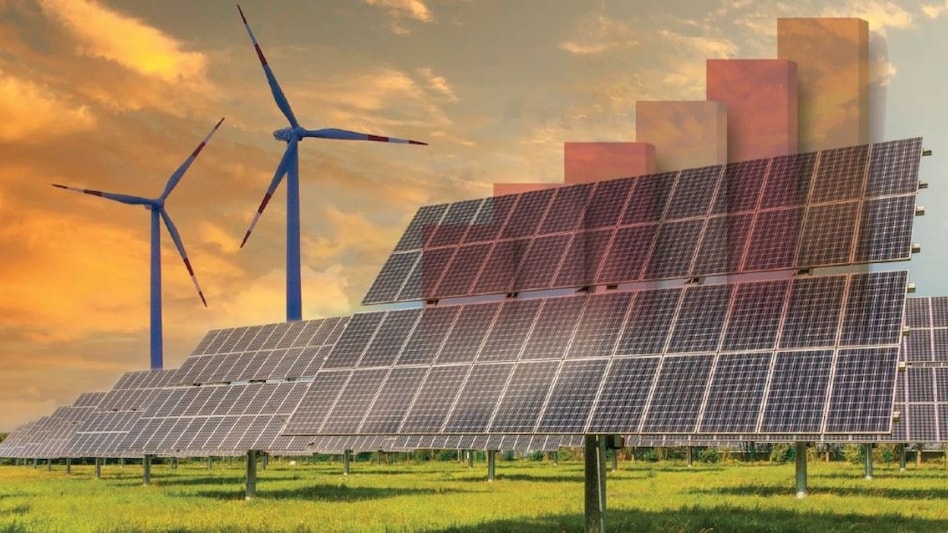
 Non-fossil sources now account for over 54% of the nation's total electricity generation capacity, which currently stands at roughly 552 GW.
 From a mere 2.8 GW of solar capacity in 2014 to a record-breaking 55.29 GW addition in the last fiscal year alone, India’s clean energy trajectory has hit another major milestone. The country has crossed 300 GW of non-fossil fuel-based installed electricity generation capacity as of July 31, 2026.
With this surge, India has now achieved over 60% of its target to install 500 GW of non-fossil fuel power capacity by 2030. Non-fossil sources now account for over 54% of the nation's total electricity generation capacity, which currently stands at roughly 552 GW.

 Tata Sons chairman race heats up: T V Narendran, Saurabh Agrawal, NSE's Ashish Chauhan in contention
 Tata-owned JLR faces financial pressure: Plans 4,000 UK job cuts as sales fall, US tariffs squeeze margins
 Subhash Chandra booked by CBI in alleged ₹1,322 crore LIC Housing Finance fraud case: Report
 Crude oil could crash to $40 after Iran war ends, says US Treasury Secretary Scott Bessent
 UN adopts Equal Earth map: All about Africa’s true size, Mercator distortions and what changes now
 Home Loans & Insurance: How Couples Can Structure Them For Tax Efficiency
 Money & Marriage: How Couples Can Divide Household Expenses, Track Spending And Stay On Budget
 Parag Parikh Flexi Cap Fund Underperformance: Is Fund Size Becoming A Major Challenge For Investors?
 Midcap, Smallcap Funds: Strong Profit Growth Could Keep Investor Flows Robust, But Valuations Matter
 Travel Insurance Guide: Where To Buy, How Much Cover You Need & When To Get It
 Tata Power stock: Choice Broking expects recovery, assigns two price targets
  IPO rush next week: 11 issues eye to raise Rs 7,055 crore; 6 IPOs to open on same day, check details
 600% dividend stock: Check dividend per share, record date, payment date and other key details
 56% rally in TBZ stock: Upper circuit led to record high today; here's why
  Sensex, Nifty snap four sessions of losing streak; RIL, Tata Steel, Bajaj Finance boost sentiment
  Nepal flash floods: 60-year-old woman rescued alive after 10 days under mud, debris in NuwakotHome Loans & Insurance: How Couples Can Structure Them For Tax Efficiency
 BRICS Summit 2026: 35+ Roads to face diversions on Sept 6 ahead of motorcade rehearsal
 Silver surged 98%, but investors made just 18%: How FOMO turned a rally into a trap
 National Teachers Award 2026: Assam teacher’s unique initiative helps mothers learn literacy, digital payments












