

 The remarks were subsequently circulated on social media and were interpreted by some as a reference to unemployed or young Indians.
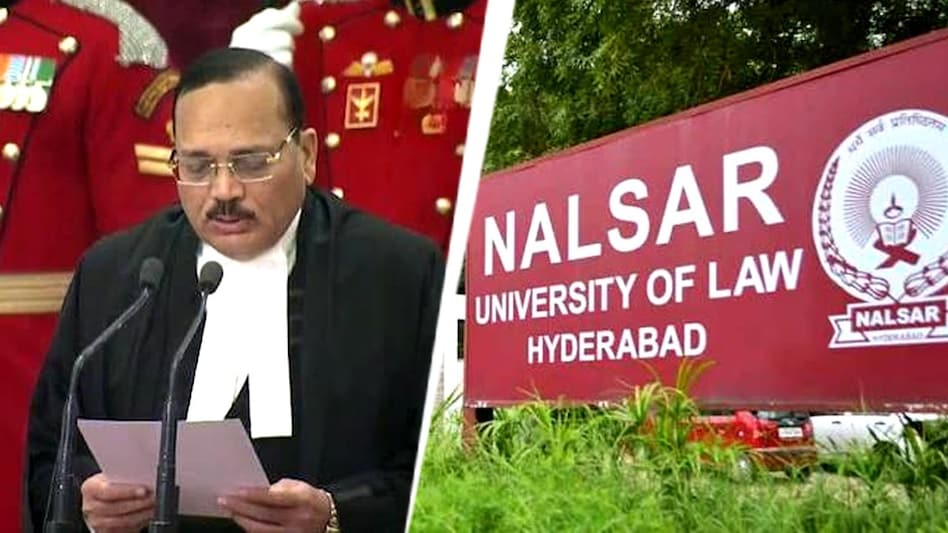
 A section of graduating students at NALSAR University of Law, Hyderabad, has urged the university to reconsider its decision to invite Chief Justice of India Surya Kant as the chief guest for its 2026 convocation.
Students from the Batch of 2026 have written to the Vice-Chancellor, Registrar, faculty members and other university officials, raising concerns over the invitation and citing recent judicial developments and remarks attributed to the CJI.
 New Maruti Suzuki Baleno launched at Rs 6.09 lakh, gets Level 2 ADAS and ventilated seats
 Tata Technologies: Former CEO Patrick McGoldrick sells shares worth nearly Rs 165 crore
 Tata-owned JLR faces financial pressure: Plans 4,000 UK job cuts as sales fall, US tariffs squeeze margins
 Subhash Chandra booked by CBI in alleged ₹1,322 crore LIC Housing Finance fraud case: Report
 Crude oil could crash to $40 after Iran war ends, says US Treasury Secretary Scott Bessent
 Home Loans & Insurance: How Couples Can Structure Them For Tax Efficiency
 Money & Marriage: How Couples Can Divide Household Expenses, Track Spending And Stay On Budget
 Parag Parikh Flexi Cap Fund Underperformance: Is Fund Size Becoming A Major Challenge For Investors?
 Midcap, Smallcap Funds: Strong Profit Growth Could Keep Investor Flows Robust, But Valuations Matter
 Travel Insurance Guide: Where To Buy, How Much Cover You Need & When To Get It
 Tata Technologies: Former CEO Patrick McGoldrick sells shares worth nearly Rs 165 crore
 Tata Power stock: Choice Broking expects recovery, assigns two price targets
  IPO rush next week: 11 issues eye to raise Rs 7,055 crore; 6 IPOs to open on same day, check details
 600% dividend stock: Check dividend per share, record date, payment date and other key details
 56% rally in TBZ stock: Upper circuit led to record high today; here's why
  PM Modi rides Delhi metro, interacts with passengers ahead of SRCC centenary eventNew Maruti Suzuki Baleno launched at Rs 6.09 lakh, gets Level 2 ADAS and ventilated seats
 $60 billion in 10 days: How banks pulled off a last-minute FCNR(B) deposit rushTata Technologies: Former CEO Patrick McGoldrick sells shares worth nearly Rs 165 crore
 Nepal flash floods: 60-year-old woman rescued alive after 10 days under mud, debris in Nuwakot












