


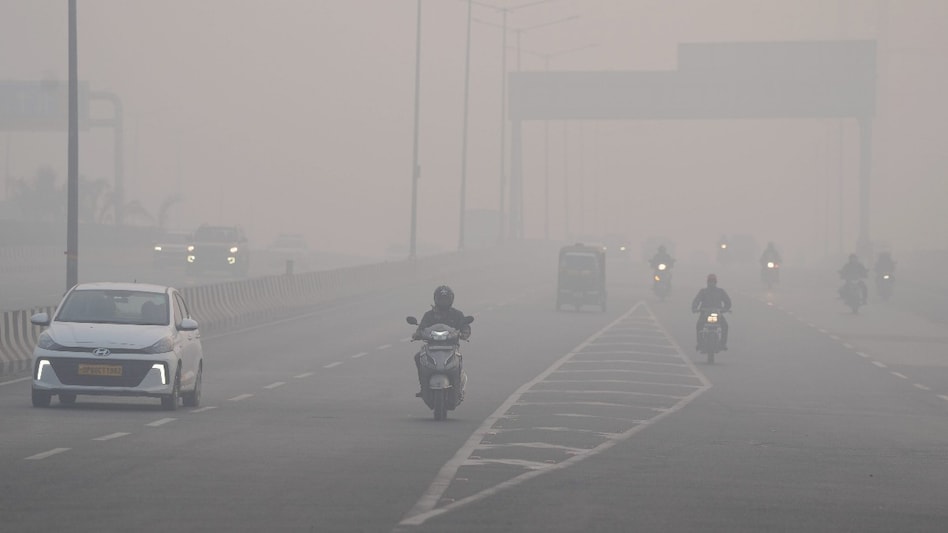
 The report stated that a large share of days in Delhi and Patna fall under low-ventilation weather regimes. In contrast, Bengaluru and Chennai have recorded lower and more stable PM2.5 levels,
Cities located in the Indo-Gangetic Plain, including Delhi and Patna, continue to record the highest PM2.5 pollution levels in the country, with winter emerging as the most critical season due to low wind speed, high humidity, and atmospheric stagnation that trap pollutants near the surface, according to a new analysis by Climate Trends.
The study, based on CPCB air quality data for 2024–2025, highlights that meteorological conditions play a major role in determining pollution intensity and can significantly worsen air quality even without any increase in emissions.

 Bangladesh turns to India for wheat as Black Sea disruption pushes up prices
 Morgan Stanley accidentally leaks 100-plus deal pipeline, including India IPOs: Report
 Sebi may ease margin requirements for longer-tenure F&O products
 India boosts LPG production as festive demand rises and Gulf supplies remain uncertain
 No petrol, diesel price hike proposal yet; govt may support OMCs if crude stays high
 India Growth Outlook Gets Major Boost: S&P, Fitch, ADB Raise FY27 Forecasts; OECD Upgrades 2026 View
 A-One Steels IPO Explained: Key Details, Growth Strategy & Future Outlook | Management Live
 Market Commentary: Nifty Outlook, Stocks & Market Strategy | Deven Choksey
 Ignore Large Caps? Why Investors Are Chasing High P/E Mid Cap Stocks Now
 30 IPOs In A Month: Deven Choksey On IPO Flipping And Secondary Market Liquidity
 Sebi may ease margin requirements for longer-tenure F&O products
 RBI to conduct OMO sale of Rs 25,000 crore in government bonds on September 28
 NSE shares: Deven Choksey lists reasons for long-term investment; calls stock 'shock absorber' in volatile markets
 Crude oil prices fall for sixth session; PL Capital explains what could happen next
 Mazagon Dock, GRSE shares: Does short-term bounce signal trend reversal? Analyst decodesMorgan Stanley accidentally leaks 100-plus deal pipeline, including India IPOs: Report
 FSSAI flags misleading claims, prohibited food products on Amazon, Swiggy, Zepto platforms
 IIT-Bombay exam hall footage out: Student seen using phone before Prof Doolla escorts him out
 Indian sailor killed after MV Cape Dao comes under attack near Oman; 19 Indians on boardSebi may ease margin requirements for longer-tenure F&O products












