








 Commenting on the directive, Member-Secretary CAQM Arvind Nautiyal said that a statutory directive has been issued for the first time on this issue.
 Commenting on the directive, Member-Secretary CAQM Arvind Nautiyal said that a statutory directive has been issued for the first time on this issue.
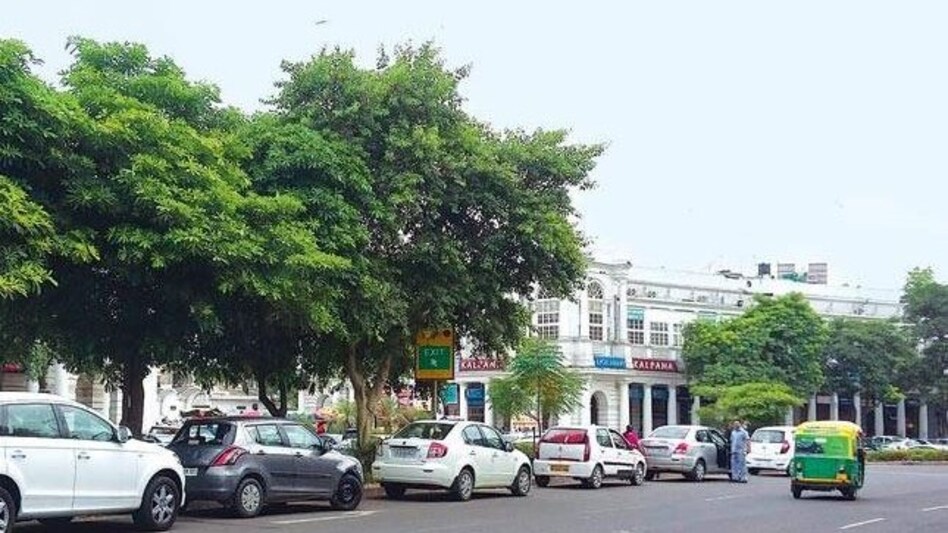
Delhiites will have to pay up more parking fees for their vehicles from November 1. The Commission for Air Quality Management (CAQM) has directed the Municipal Corporation of Delhi (MCD), New Delhi Municipal Corporation (NDMC) and Delhi Cantonment Board (DCB) to review the parking charges for private vehicles to reduce air pollution and urge people to use public transport.
The MCD overlooks parking lots in areas such as Anand Lok, Aurobindo Marg (IIT-Delhi to AIIMS), Geetanjali Enclave, Green Park Extension, Gulmohar Park, Kailash Colony, Lajpat Nagar Market, Malviya Nagar, Neeti Bagh, Panchsheel Enclave, Safdarjung, and Nizamuddin Basti.
The NDMC, on the other hand, overlooks parking lots in areas including Rajpath, AIIMS, Sarojini Nagar Market, Khan Market, INA, and Safdarjung.
The CAQM said that the exercise to review and rationalise the parking fees should be completed by September 30. The authorities have been directed to conduct this exercise by factoring in local area-specific integrated parking management plans and associated pricing plans.
Commenting on the directive, Member-Secretary CAQM Arvind Nautiyal said that a statutory directive has been issued for the first time on this issue.
"This step will make it more binding for the authorities concerned to revise the fees comprehensively. Earlier, advisories were issues but no action was taken," he told The Indian Express.
The CAQM said that it has repeatedly called for a review of parking fees in meetings on air pollution in Delhi-NCR, but to no avail. The only exception was a limited increase in parking charges within the NDMC jurisdiction and only under Graded Response Action Plan (GRAP) during 2023-24 winter.
In November last year, the NDMC doubled the parking fees in its jurisdiction given the increasing pollution levels in Delhi. The GRAP is an emergency response mechanism to contain the deterioration in air quality during winter. It calls for raising parking fees to encourage individuals to use more public transport.
 Inside the India-US interim trade agreement: Reciprocal tariffs on India to come down to 18%, 0% duty on generic pharma
 India-US interim trade pact -- 'Farmers safe, country developed': Piyush Goyal says India's agri exports to go up
 'Reflects growing depth, trust, dynamism': PM Modi on India-US interim trade pact, thanks Donald Trump
 Explained: Why the US is lifting additional 25$ duty on India over Russian oil, what New Delhi promised in return, and more
 'India-US interim trade pact to expand market access for American agri products': US Trade Representative
 RBI Says Trade Deals With EU, US & Others Strengthen India’s External Sector Outlook
 Jeffrey Sachs Praises Modi On India-US Trade Deal: “Trump Blinked, India Must Not Depend On U.S.”
 Agra’s ₹127 Cr Housing Project In Ruins: Flats For Poor Rot Before Occupation
 RBI Credit Policy LIVE Analysis | Aditya Pagaria Explains Rate Pause Impact
 TeamLease Q3 Results: Profit Jumps 47% As Margins Improve Despite Headcount Loss
 'Think about it': Deepak Shenoy warns indices mask stress as majority of Nifty 500 stocks lag
 Bitcoin avoids $60,000 breakdown, still down over 50% from record high
  NSE IPO: NSE board approves long-delayed listing plans; IPO to have equity shares of face value Re 1
 Max Healthcare discontinues patented cancer drugs, writes to CGHS to review pricing
 NSE Q3 net profit falls to Rs 2,408 crore; PAT up 15%, total income rises 6% QoQ