


 The report said India remains exposed because it imports more than 85% of its oil needs and sources more than half of those imports from the West Asia, with a significant share moving through Hormuz.
 India can manage higher crude prices up to a point, but a prolonged disruption in the Strait of Hormuz could widen macro risks by stoking inflation, pressuring the rupee and swelling the trade deficit, according to a UBS report.
In a note dated March 4, UBS said Brent crude had climbed toward $84 a barrel amid escalating conflict in the Middle East and the near de facto closure of the Strait of Hormuz. The brokerage said the scale and duration of any disruption through Hormuz would be critical, with more than 20 million barrels a day of oil usually transiting the route and only limited spare pipeline capacity available to redirect flows.
The report said India remains exposed because it imports more than 85% of its oil needs and sources more than half of those imports from the West Asia, with a significant share moving through Hormuz.
UBS has raised its near-term oil price forecasts and now expects Brent at about $80 a barrel in March, with the 2026 average seen at $72 a barrel, up from an earlier estimate of $62. It said India should be able to manage oil prices up to $80 a barrel, but any supply disruption combined with crude rising toward $100 would likely require swift policy action.
That response, UBS said, could include India reconsidering its stance on Russian oil imports, especially after volumes declined following recent US-India trade discussions, as energy security takes priority.
The brokerage estimated that every $10-a-barrel increase in average crude prices could widen India’s current account deficit by 0.4% of GDP. A 10% rise in crude could add around 30 basis points to CPI inflation if the full increase is passed on to consumers, while GDP growth could take a 15-basis-point hit under the same condition.
For now, UBS expects the inflation impact to remain manageable if oil does not move beyond $80 a barrel, and it has kept its baseline forecast of a prolonged rate hold by the Reserve Bank of India. Still, it warned that higher oil prices would have a bigger effect on the goods trade deficit and could keep pressure on the rupee.
UBS said if elevated oil prices persist even for a couple of months, USD/INR could move toward 95 by the second quarter, assuming active RBI intervention. If tensions in the Middle East ease quickly, the currency could edge back toward 90. The brokerage has retained its year-end USD/INR forecast at 94 and flagged an upside risk of more than 25 basis points to its 10-year Indian government bond yield forecast of 7%.
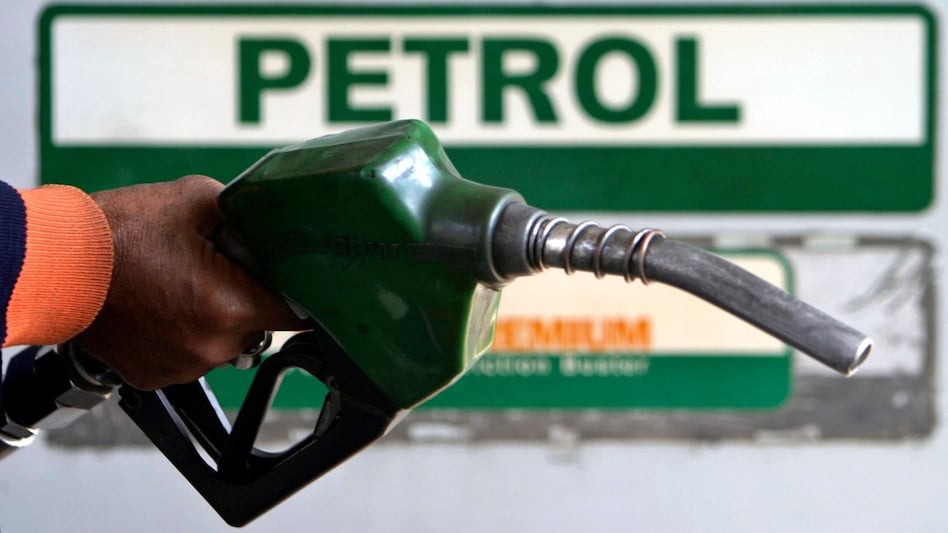
The report also noted that India has largely shielded consumers from global oil volatility by keeping retail petrol and diesel prices stable since May 2022. But if oil were to stay near $100 a barrel, the government could come under pressure to raise subsidies or cut excise duties, potentially complicating its fiscal position and limiting room for productive spending such as capital expenditure.

 Exam reforms: Tech titan Nandan Nilekani picked by PM Modi to fix national public examination system
  'Tax officers struggled for own land': Nirmala Sitharaman slams laidback attitude of govt depts
 CBDT issues new crypto reporting guidance: No new tax, but exchanges must track and report all transactions
 Did Cockroach Janta Party's 'Chalo Sansad' 2.0 threat trigger Dharmendra Pradhan's resignation? What we know so far
 'Will discharge my responsibilities with complete humility': Pralhad Joshi after being appointed Education Minister
 AI Data Centers, Aerospace & Gas Turbines: What's Powering Indo-MIM's Future Growth?
 Best Healthcare Stocks: Gaurang Shah's Outlook On Apollo Hospitals, Fortis & The Manipal Health IPO
 Is Indo-MIM's IPO Valuation Justified? Here's Why The Company Sees Strong Growth Ahead
 Treasury Bills Explained: Why T-Bills Are One Of The Safest Short-Term Investment Options
 FDs vs Markets: Where Should You Keep Your Short-Term Money?
 Gland Pharma stock: Price target of Rs 3,250 likely in medium term, says analyst
  Metal recycling stocks to buy: Gravita, Pondy Oxides, Jain Resource among top picks
 TRIL shares: Should you average the falling stock? Here's 'fixed and final' stop loss
 Adani Power: 45 GW target, Rs 2 lakh crore capex plan among conference call highlights
  ITC Hotels, Chalet, Ventive, IHCL, SAMHI: Hotel stocks to buy despite travel disruptions
 Beyond mutual funds: Why analysts see SBI Funds' alternative asset business as a long-term growth engine
 'Ashamed of it...': Manoj Muntashir calls Adipurush his biggest mistake, seeks country's forgiveness Exam reforms: Tech titan Nandan Nilekani picked by PM Modi to fix national public examination system 'Tax officers struggled for own land': Nirmala Sitharaman slams laidback attitude of govt depts
 Delhi targets traffic bottlenecks on Aruna Asaf Ali Marg with ₹1.97 crore elevated road study









