








 Birla also emphasised the need to invest in talent, which is the biggest asset for the growth of India.
  Birla also emphasised the need to invest in talent, which is the biggest asset for the growth of India.
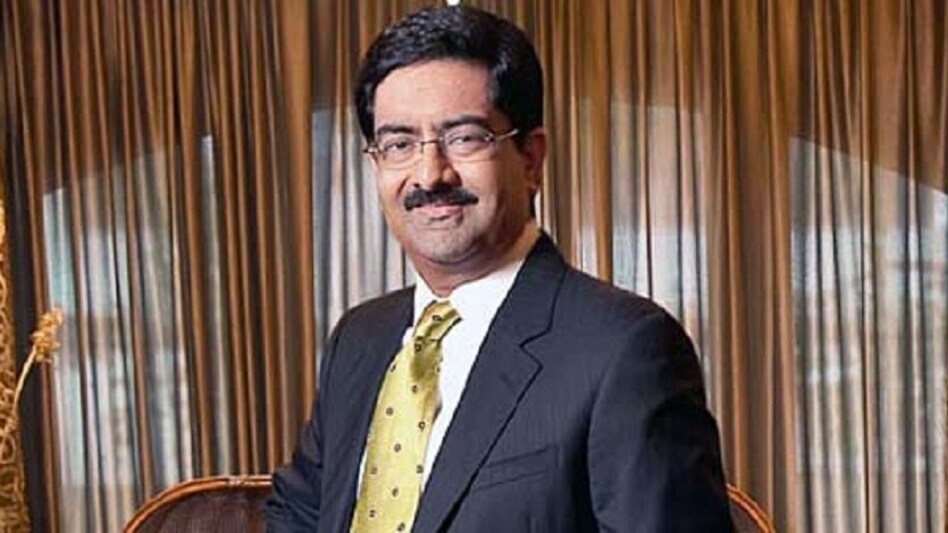
 Over the last decade, the government has increased its capex by 5-fold. It is now time for India’s businesses to increase their investment and participate in the capex cycle, Kumar Mangalam Birla, Chairperson of Aditya Birla Group, feels.
Amid slow private capex, he urged India’s corporates, startup sector and MSME business to take the growth momentum forward, which was started by the government in the past few years by creating a supporting ecosystem. He also emphasised business growth, innovation, talent and sustainability as key drivers behind the Viksit Bharat dream.
“We (businesses) have the capacity and the responsibility to define the vision for development and shape the India of tomorrow,” the billionaire added.
Speaking at the Bombay Chamber of Commerce and Industry’s 189th Foundation Day event, he highlighted that India’s next level of growth will come from leveraging technology across sectors like manufacturing, agriculture, healthcare and education among others.
He said, “It’s time for India’s private sector to innovate and harness the power of technology for transformational change. In fact, a recent PwC analysis suggests that up to 40% of India’s $10-trillion economy in 2034 should be derived from new solutions hence the need for innovation.”
Birla also emphasised the need to invest in talent, which is the biggest asset for the growth of India.
According to him, India will have 1 billion working-age people by 2030 and this is the power of Viksit Bharat but this workforce needs to be skilled as per the changing needs of the industry in the light of new-age technologies like AI, which have created many new jobs like machine learning engineers, AI research scientists, user experience designers, robotics engineers and cyber security.
Lastly, he talked about the importance of economic growth and social equity to advance in sync to make transformation and growth sustainable. Being a sustainable business would mean transitioning to renewable sources, and reducing waste, these would be gateways for responsible growth and development in future says Birla.
The comments come at a time when growth has hit a seven-quarter low of 5.4 per cent for the July-September period as per official data. Reluctance to invest and a preference to operate at higher capacities have been diagnosed as one of the contributors to the growth slowdown.
 SEBI draws line between listing norms and RBI rules in guidance to PNB
 Cyber attacks, AI misuse and data privacy rules emerge as top boardroom risks for India Inc
 'India has played it pretty safe, deal is very balanced': Top agri economist on India–US trade agreement
 Funding Viksit Bharat: Govt to set up high-level panel to prepare banks for big-ticket growth
 'Uncomfortable subtext is conditionality': Ex-foreign secretary on US monitoring clause for Russian oil
 BT Golf 2025-26 Kochi, Kerala Awards Ceremony Marks A High-Energy, Successful Conclusion
 Golf Is An Addiction. We Eat And Sleep Golf!
 The Fairway Fixes Everything. Mindset, Life, Relationships
 BT Golf LIVE: Join AU Small Finance Bank Presents BT Golf 2025-26 For Its 4th Leg In Kochi, Kerala
 AI Will Change MBAs, Not Leadership: IMD President On India’s Global Education Rise
 RIL, SBI, Kotak Bank, Kalyan, HAL, BEML, BDL among stocks in focus next week; here’s why
 NSE IPO may unlock mega gains for billionaire investors RK Damani, Premji
 SBI Q3 Results: Profit jumps 24% to Rs 21,028 crore; asset quality improves
 IDBI Bank stake sale: Kotak Mahindra Bank says ‘has not submitted a financial bid’
 BDL, Mazagon Dock, MRF, Hindustan Copper, RVNL, others to turn ex-dividend next week