


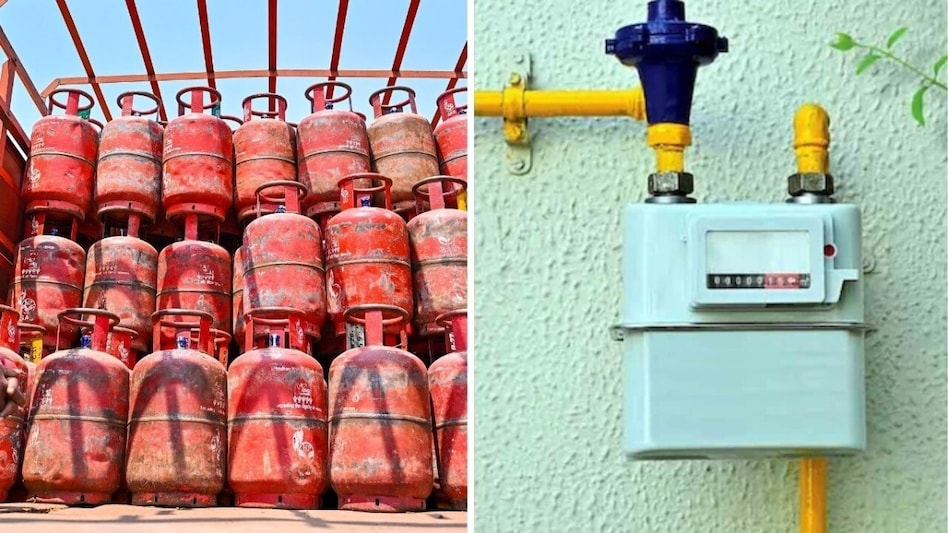
 In March 2026, the Centre barred households with PNG connections from applying for new LPG refills through government-backed distributors.
Amid rising LPG cylinder prices and a nationwide push for cleaner fuel infrastructure, the government is tightening rules around domestic cooking gas usage and encouraging households to shift towards piped natural gas (PNG) connections. The latest measures are part of the Centre’s broader “One Household, One Gas Connection” policy aimed at streamlining fuel distribution and reducing dependence on LPG cylinders in areas where PNG infrastructure is already available.
Authorities have started identifying households that are simultaneously using both LPG cylinders and PNG services. The move is intended to prevent misuse of subsidised LPG connections, curb black marketing, and ensure that LPG supplies reach households that genuinely require them due to lack of PNG access.

 Tata Trusts propose merger of two Tata units with Tata Sons to avoid listing
 Air India CEO-designate Tewolde lays out 5 priorities, puts safety and reliability first
 Nifty set for worst returns in 15 years, analysts weigh in
  India's industrial output hits 8% growth in August, manufacturing up 9%
 ITR filing deadline for corporates extended to November 21
 Crude Oil Next Big Commodity Bet? | Strait Of Hormuz Crisis | Commodity Outlook
 Nifty Falls: 22,500-22,300 Next? Expert Warns Against Bottom Fishing Amid Sharp Sell-Off
 Meta Muse AI & Smart Glasses, iPhone 18 Pro Max In-Depth Review & Easy iOS Data Transfer | Tech Today
 Silver Slips Below 200 DMA: Why This Crash Is A Golden Buying Opportunity | Navneet Damani
 Gold Falls $1,500 From Peak: Smart Accumulation Or Risky Bet? | Anuj Gupta
 BSE stock may test Rs 3,000 mark, says analyst; stays positive for long term
  Why HDFC Bank, TVS Motor shares are top picks amid ongoing correction
  Tata Steel shares lag peers over three months; is European business weakness priced in?Nifty set for worst returns in 15 years, analysts weigh in
  YES Bank, BOI, BoM, Union Bank, PNB, RBL Bank: Why bank stocks fell today
 Tata makes its EVs cheaper to buy upfront, under BaaS scheme
 Cleartrip checks in for a holiday-powered growth tripCrude Oil Next Big Commodity Bet? | Strait Of Hormuz Crisis | Commodity OutlookTata Trusts propose merger of two Tata units with Tata Sons to avoid listingNifty Falls: 22,500-22,300 Next? Expert Warns Against Bottom Fishing Amid Sharp Sell-Off












