


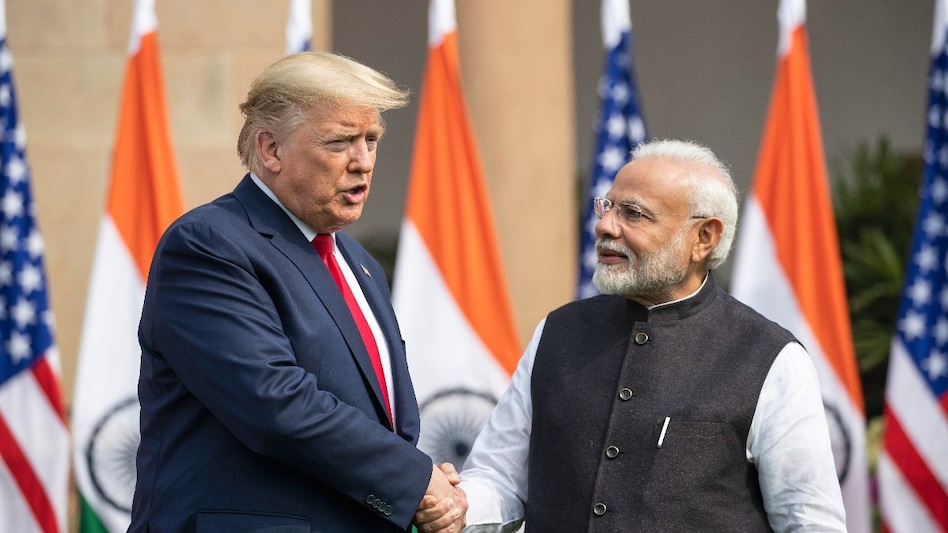
 India wants a more lucrative trade deal with the US
India has reportedly rejected a quick interim trade agreement with the US, opting instead to push for a more lucrative deal that secures greater benefits for its exporters and protects key domestic sectors, according to officials and trade analysts.
According to a report in Reuters, after months of negotiations, India and the US failed to finalise an interim trade agreement during US Trade Representative Jamieson Greer's visit to New Delhi last month, despite expectations on both sides that a limited deal was within reach.

 India adds 2.6 AI jobs for every role lost, but a widening skills gap threatens freshers: Report
 Nearly $500 billion in debt issued in 2026: Is big tech borrowing too much for AI boom?
 US may scrap 60-day job search window: What it means for Indians facing job loss on H-1B visas
 99.95% punctuality record: How Delhi Metro beat New York & Paris subways at the reliability game
  'Hostile act against India': Fund manager on US bill threatening 100% tariffs
 Where Is Smart Money Going? LIC Mutual Fund Reveals Its Biggest Sector Bets For Investors
 How Much Health Insurance Cover Is Enough? Expert Shares The Ideal Sum Insured For Every Family
 Corporate Health Cover Vs Personal Health Insurance: What Every Employee Must Know
 Large Cap, Mid Cap Or Small Cap Funds: Which Mutual Fund Should You Choose For Better Returns?
 I.T. Stocks Rebound After Sharp Rally: Is The Worst Over Or Is Caution Still Needed?
 Samvardhana Motherson Q1 earnings: Management eyes topline of $108 billion by 2030
 Upcoming IPOs: 5 mainboard issues to Rs 7,500 cr next week; three other to make D-st debut
 Poonawalla Fincorp: Planning to buy the NBFC stock? Here's what expert says
  Adani Green shares down 16% from July high; is it time to buy this Adani stock? Targets
 Short-term buy ideas: 2 stocks that Pradip Halder is betting on
 5 weeks, a map: How Cyril Radcliffe carved India & Pakistan with a border that changed millions of lives
 Tejas Mk1A upgrade: DRDO plans 90kN Kaveri 2.0 core overhaul to replace GE engines99.95% punctuality record: How Delhi Metro beat New York & Paris subways at the reliability game
  Class 3 dropout to India’s ‘Edison’: How GD Naidu became a pioneering inventor
 Meet Renu Dhariyal, the Indian woman with 8 ft 10 in-long hair who made it to Guinness World Records










