


 The directions also introduce changes to the resolution of stressed assets, refining how lenders deal with borrowers under financial stress.
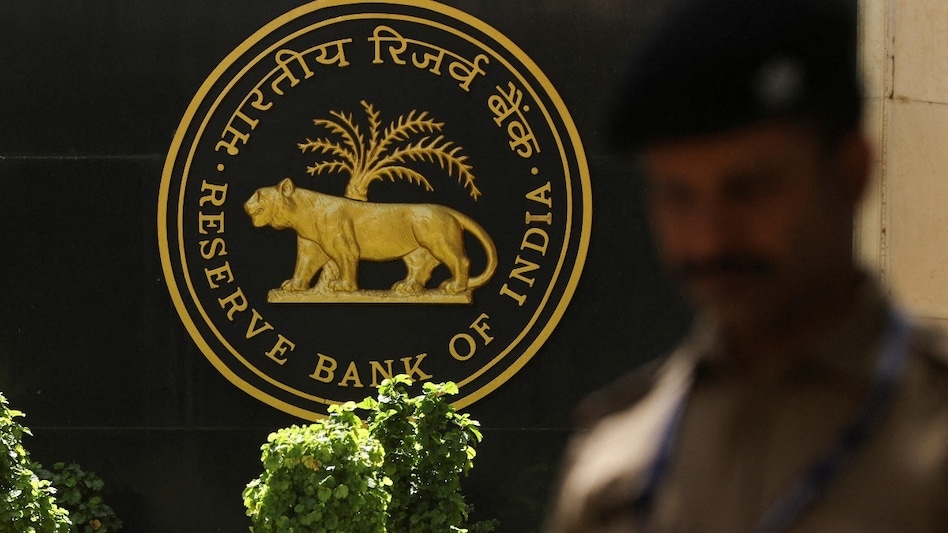
 The Reserve Bank of India (RBI) has issued final directions on income recognition, asset classification and provisioning, marking a significant shift in how banks assess credit risk and set aside buffers for potential losses.
A key highlight of the framework is the move from the traditional “incurred loss” approach to a forward-looking Expected Credit Loss (ECL) model. This transition is aimed at improving transparency and enabling earlier recognition of stress in loan books, aligning Indian banking practices more closely with global standards.

 'RBI letter does not mention listing': Noel Tata seeks full briefing on Tata Sons-RBI talks
 El Nino impact? India headed for driest monsoon since 2009, food inflation fears rise: Report
 Tata Trusts asks Tata Sons to explore options other than listing, says ‘Tata Model has to be saved’
 Tata Trusts proposes ₹25,000 crore plan for SP Group, says Tata Sons listing is not an option
 FD rates before RBI MPC meet: These small finance banks offer 8%+ interest on fixed deposits
 Corporate Health Insurance Vs Retail Policy: Why You Need Personal Health Cover Too
 How India Changed In 12 Years: PM Modi’s Journey From Economic Reforms To Viksit Bharat
 Modi @76: From Twitter To Instagram, How His Digital Outreach Has Evolved
 Stock Picks To Watch: Shibani Kurian Reveals Kotak AMC’s Market Bets
 Gold ETF vs Physical Gold: Know the Tax Rules, Charges and Key Differences
 IndiGo shares in focus as baggage, infant fee, priority boarding charges likely raised
 Hero Motors IPO subscribed 3.37 times on Day 2; retail portion subscribed over 5 times
 NSE IPO: India's largest exchange gets 43% subscription on Day 1; NIIs, retail see strong demand
 Rentomojo shares settle maiden trade nearly 32% above IPO price; what should investors do now?
 Sensex slips, Nifty settles higher; Tata stocks gain after N Chandrasekaran reappointmentIndiGo shares in focus as baggage, infant fee, priority boarding charges likely raised
 Quote of the Day by Warren Buffett: 'In the business world, the rearview mirror is always clearer than the windshield'El Nino impact? India headed for driest monsoon since 2009, food inflation fears rise: Report
 Venezuela introduces new PRO-V-90 visa for foreign professionals; key details for Indians
 iPhone Duo won’t go on sale on Sept 18: Here’s when you can buy Apple’s first foldable












