


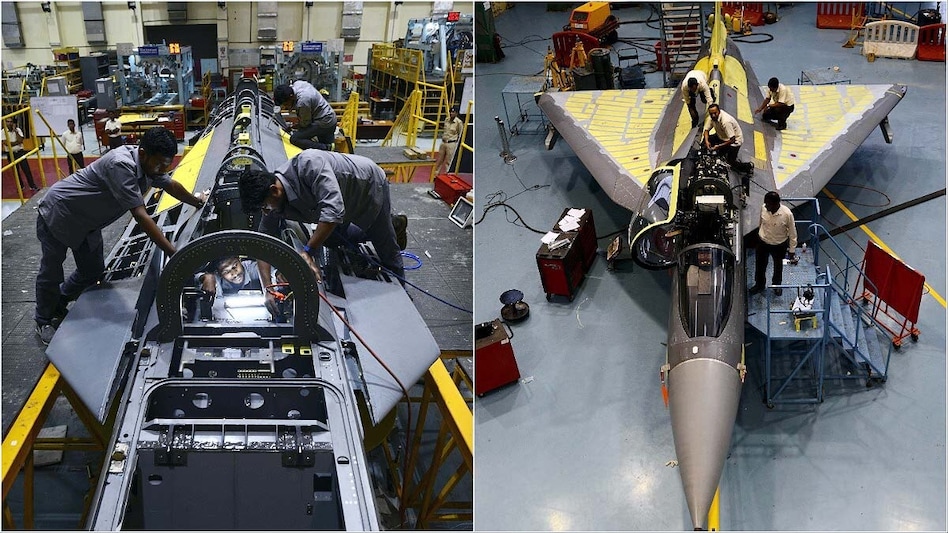
 Since, a new engine alters the airflow over the wings and fuselage, every weapon integrated onto the Tejas — including the Astra missile and precision-guided bombs — would require fresh certifications to guarantee safe weapon separation.
 Significant delivery delays of the General Electric (GE) F404-IN20 engines from the United States have bottlenecked the Indian Air Force's Light Combat Aircraft (LCA) Tejas Mk1A fleet, prompting public calls for an alternative powerplant. However, an analysis by defence.in reveals that swapping the aircraft’s core propulsion system is far from a simple plug-and-play solution.
An experienced former engineer from Hindustan Aeronautics Limited (HAL) told defence.in that integrating a new engine would demand extensive airframe redesigns. The aerospace expert warned that such an overhaul would essentially create a completely new variant, consuming five to seven years in engineering, manufacturing, and rigorous flight testing.

 Pezeshkian rejects US nuclear charge, says ‘enrichment’ was an alibi to attack Iran
 RBI rejects Tata Sons’ CIC deregistration bid, makes stock market listing mandatory: Report
 BRICS Summit 2026: PM Modi Hosts Gala Dinner For Putin, World Leaders At Bharat Mandapam
 PM Modi, Xi Jinping stress on ‘strategic and long-term’ India-China ties at BRICS Summit
 BRICS New Delhi Declaration calls for dialogue and multilateralism: All that it saysBRICS Summit 2026: PM Modi Hosts Gala Dinner For Putin, World Leaders At Bharat Mandapam
 BRICS Summit 2026: Mega VIP Move! Ministers, CMs Travel Together In Bus
 PM Modi Proposes BRICS Reform Roadmap, Calls For Global Governance Reset
 PM Modi Proposes 10-Point BRICS Reform Roadmap For Global Governance
 PM Modi, Xi Jinping, Vladimir Putin & BRICS Leaders Explore Bharat Innovates Exhibition In Delhi
 SEBI’s CAS proposals: Expert weighs in on new expiry-day settlement price methodology
 Large caps stocks under pressure as rising US bond yields, crude prices weigh on foreign flows
  SEBI proposes bringing unexecuted Iceberg orders into closing auction
 SEBI proposes new expiry-day settlement formula for derivatives after CAS concerns
 Silver may climb to Rs 3.25 lakh, but January peak looks distant: Navneet Damani
 US-Iran tensions add another layer of volatility to gold as oil prices complicate Fed outlook
 Ganesh Chaturthi 2026: Wishes, messages, greetings to send to your friends, loved ones
 Japanese, Korean banks see massive EPS upgrades while India lags: Jefferies
 BRICS flags unilateral tariffs, non-tariff measures as trade tensions reshape global economy
 Gujarat passes 'Ease of Doing Business Bill 2026': Shops, malls can stay open 24 hours












