


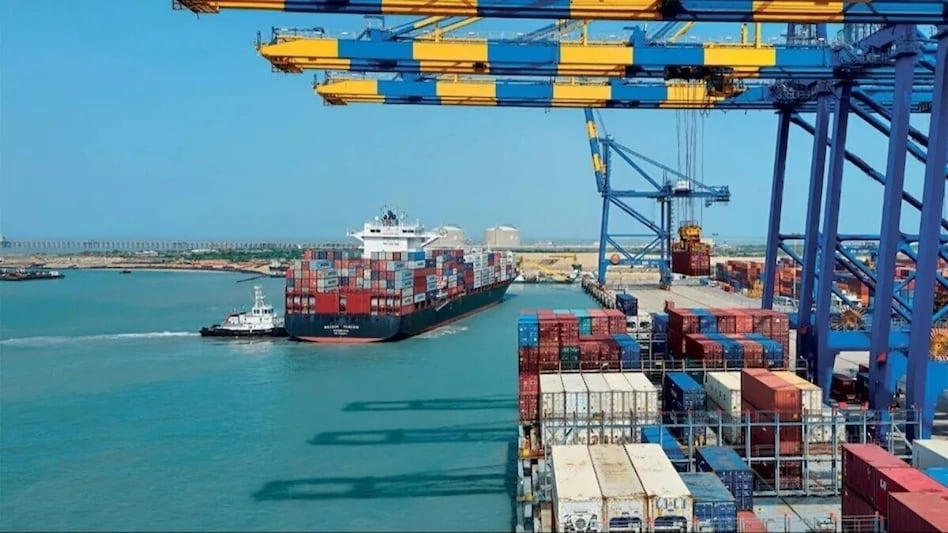
 India's $776-billion question: Why import dependence persists.
India’s merchandise imports rose by 20.62% year-on-year to $73.41 billion in May, even as the government is trying to increase self-reliance and cut down on import dependencies. In FY26, India’s total goods imports were $776 billion.
Back-of-the-envelope calculations show that India’s imports have risen by 7% or more annually in the past few years, barring FY24, when they contracted by 5.3%. A recent report by Exim Bank sums up the changing nature of India’s import requirements over the past decade. In 2015, India did not feature among the top 10 importing countries globally, but by 2024 it was the seventh largest importer, accounting for 2.9% of global imports.

 HP-Sarvam AI deal: How Indian-language voice tech fusion could revolutionise PC use
 Who decides tariff for nuclear power generated by private players? Draft Shanti Rules throw some light
  Foreign assets disclosure scheme: Who is eligible, what it means for small taxpayers & tax payable
 EPFO deadline today: Employers must file July ECR, deposit PF contributions by August 15
 India got independence in 1947. This state got it 14 years later after a military operation. Here's why
 Power & Cable Stocks Q1: Analyst Bets On Polycab, Target Price At ₹11,000
 Auto Stocks In Focus: Maruti, M&M, Hyundai, Hero MotoCorp Or EVs—Where Is Value Now?
 Auto Ancillary Stocks: Analyst Picks Lumax Auto, Pricol, Sona BLW For Growth
 Pharma Stocks Rally After Earnings: Where Is The Value Across CDMO And Healthcare?
 Gold Safe In Bank Lockers? Horrifying Losses In Kanpur & Faridabad Expose Banking Security Holes
 Helios Capital bullish on NBFCs, bets on consumption-led growth and last-mile finance
 HDFC Bank, ICICI Bank, SBI, BoB, Kotak Bank, IDFC First: Targets for banking stocks by YES
 HDFC Bank, Axis, ICICI, Karur Vysya, Ujjivan SFB shares: What SBI Securities' Sunny Agrawal says
 Your portfolio may be full of ‘zombie stocks’: How to identify and exit them
 Shiprocket IPO Day 3: Issue subscribed nearly 100 times, fetches bids worth over Rs 91,000 crore
 From Gopalganj court to Rajya Sabha as BJP MP: Who is Bar Council chief Manan Kumar Mishra
 NALSAR convocation row: Bar Council chief MK Misra apologises to law students HP-Sarvam AI deal: How Indian-language voice tech fusion could revolutionise PC use
 Double whammy: Second 6.5 quake hits Indonesia as deaths from Flores tremor reaches 38Foreign assets disclosure scheme: Who is eligible, what it means for small taxpayers & tax payable












