


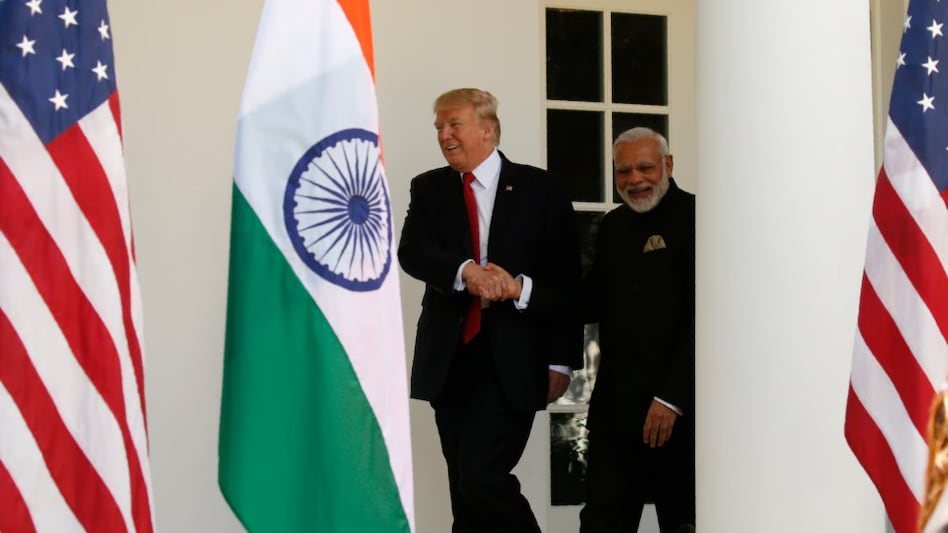
 India-US: Finfluener says New Delhi must do what's right for it, just like Washington does what's right for itself
The US does what is best for the US, and likewise India should do what is best for India. Finfluencer and Wisdom Hatch founder Akshat Shrivastava, highlighting the basic tenet of policy-making, said India should lower taxes, end reservation to reward merit, bring in judicial reforms and end corruption. He also underscored the biggest challenge India faces in making these hard decisions.
He said unlike 25 years ago, when an Indian software engineer would earn $20,000 as opposed to an American software engineer who was demanding $120,000, the model has now changed. The cheaper labour of Indian workers meant massive cost savings for American firms if they outsourced, which they did.

 September GST collections rise 14.7% to ₹2.04 lakh crore
 Who is Anup Kumar Saha, the new MD and CEO of Kotak Mahindra Bank?
 Moneyview shares deliver bumper listing gains; stock debuts at 64% premium
 Flydubai incident: PM Modi speaks to Captain Smit Machchhar's wife, parents, say sources
 BT BIG STORY: Why India's affluent seniors are the next big real estate bet
 Mid-Small Cap Allocation: How Much Should Investors Hold In Their Portfolio?
 MSP: ‘Cost Plus 50%’ Principle Fully Maintained, Says Ashwini Vaishnaw
 Economy In Right Hands, Business Environment Very Positive: Nirmal Minda
 Nara Lokesh Exclusive: Why Andhra Pradesh Is In A Hurry To Build Its Data Centre Ecosystem
 KLM Steps Up SAF Push On India-Europe Route
 Domestic funds seek lower IPO valuations as pricing power shifts, says report
 HDFC shares rise as bank names V. N. Srivatsan as new Chief Compliance Officer
 RIL share price target: Will oil-to-telecom major surprise investors in Q2?
 MRPL cuts processing rate at one CDU after fire damages refinery unit: Report; stock extends decline
 Bajaj Auto shares slump over 8% after September sales data
 Is culture and inclusion the new campus-hiring test?
 India cannot afford to take its growth performance for granted: Monthly Economic Report
 PM Modi Praises Captain Smit Machchhar’s Courage, Says Indian Pilot Averted A 9/11-Like Tragedy
 Gold-Silver Prices Set For Bounce? Analyst Reveals Key Levels To Watch TodaySeptember GST collections rise 14.7% to ₹2.04 lakh crore












