


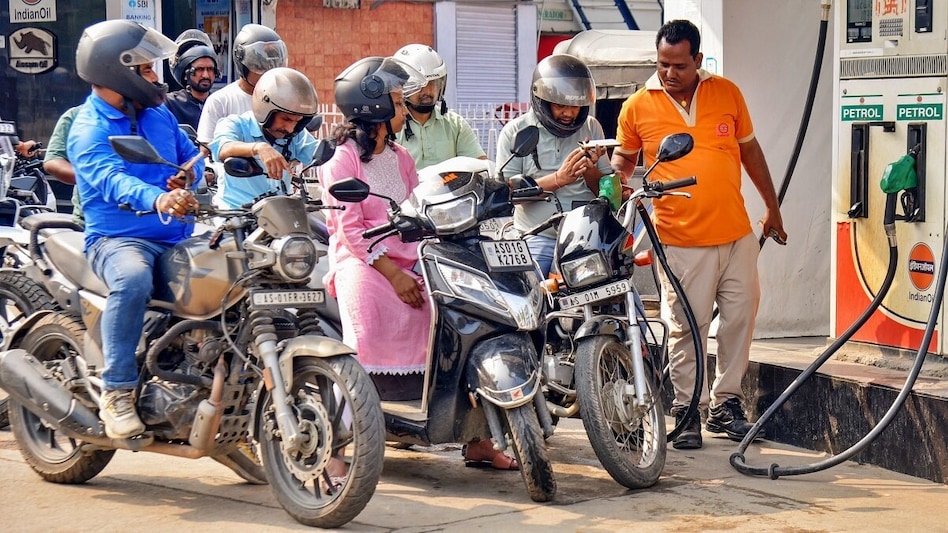
 Fuel prices across many countries have surged sharply. Petrol is currently priced at nearly ₹295 per litre in Hong Kong, around ₹240 in Singapore, ₹225 in the Netherlands, ₹210 in Italy, and about ₹195 in the UK.
The ongoing conflict in West Asia and disruptions around the Strait of Hormuz have pushed global crude oil prices sharply higher, putting pressure on governments and oil companies across the world. But despite crude rising from nearly $70 per barrel to around $126 per barrel, petrol and diesel prices in India have remained largely unchanged.
That relief, however, may not last much longer.

 Global tax rules being rewritten, BRICS must have greater say: Finance Minister Nirmala Sitharaman
 No petrol, diesel price hike proposal yet; govt may support OMCs if crude stays high
 Why can’t India just stop buying Russian crude oil? FM Nirmala Sitharaman explains
 Whirlpool of India shares jump 20% today; here's what analysts say
 BT Big Story: Why India Inc is warming up to non-English-speaking executives
  iPhone 18 Pro Sale Rush! What Indian Buyers Really Think | Tech & You
 NSE Shares Listing Soon! What Should Be Your Portfolio Allocation & Investment View?
 Biggest IPO Rush Since 1996: ₹38,785 Crore Raised! What Should Retail Investors Do Now?
 Crude Oil Drops, Nifty Recovers! Is It The Right Time To Buy Indian Large Caps?
 Adroit Industries IPO: Price Band, Risks, And Should You Apply For Listing Gains?
 KPIT Technologies stock may see more pain amid IT sector weakness
  What should new stock investors buy? Abhishek Basumallick picks his bets
 Airtel Money plans London IPO at $8-9 billion valuation; may raise $800 million: reports
 NSE shares admitted for trading on Metropolitan Stock ExchangeWhirlpool of India shares jump 20% today; here's what analysts say
 You may soon be able to build your own AI agent inside WhatsApp, but there’s a catch
 Cash, UPI, ATM or branch? What changes when banks go on strikeKPIT Technologies stock may see more pain amid IT sector weakness
  Tata Asset Management launches long-short SIF: What is new for investors
 More than a decade after entering India, Amazon is putting boots on the ground to tackle counterfeits.












