












 This comes at a time when India has become the fastest growing aviation market and third largest market globally after the US and ChinaThis comes at a time when India has become the fastest growing aviation market and third largest market globally after the US and China
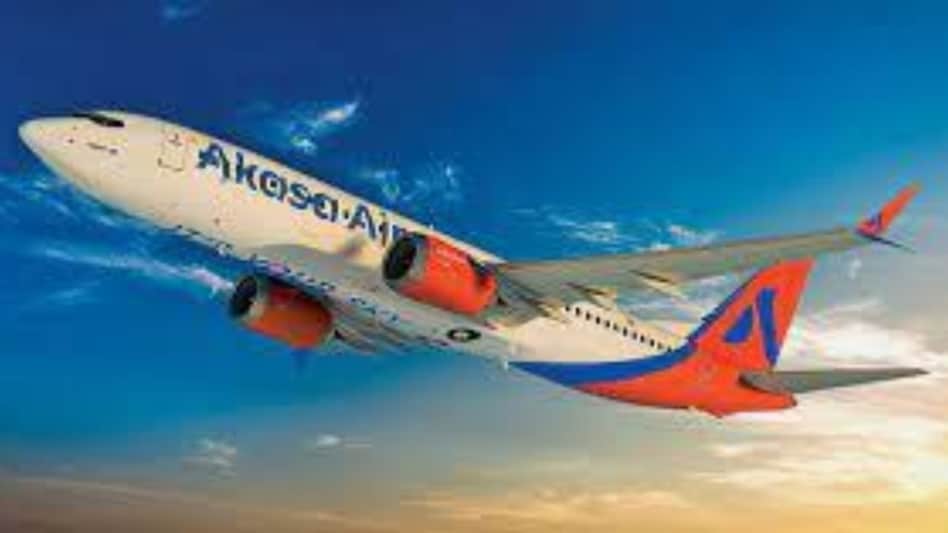
India’s youngest airline Akasa Air inaugurated phase two of its training and development centre ‘Akasa Air Learning Academy’ in Gurugram on Monday to train its pilots, cabin crew, engineers and airport services and security personnel.
This comes at a time when India has become the fastest growing aviation market and third largest market globally after the US and China, but the country suffers from poor quality of aviation training and infrastructure, especially of pilots and co-pilots, experts have pointed out.
Akasa Air, which launched its first commercial flight on in August 2022, had invested in a 14,000 sq feet learning academy in July 2022 to deliver training on various aspects of safety, service, and quality.
The new facility adds 20,000 sq. ft of learning capabilities for Akasa Air to train over 700 future-ready aviation professionals, according to a press note.
"The significant financial investment that we have made will pay rich dividends for multiple years to come. The academy will not just mould our employees to become the champions of Akasa culture and values but also develop a future ready workforce to gain a competitive advantage in the aviation landscape,” said Vinay Dube, Founder and Chief Executive Officer at Akasa Air.
Indian airlines have placed an order for at least 1,115 planes to be delivered over the next decade, with a bulk of them expected to come in 2025 onwards. For instance, Akasa Air has placed an order of 72 Boeing 737 MAX airplanes.
Experts estimate 17,000-18,000 pilots are required over the next decade. That is, 1,700-1,800 per year on an average. But the DGCA registers only 600-750 Commercial Pilot Licence (CPL) holders every year.
There are only 35 DGCA-approved Flying Training Organisations (FTOs) and seven approved simulators in India. An estimated 30-40 per cent of aspirants go abroad for pilot training, especially to Europe, New Zealand and Australia. The high costs of training also mean that many of them prefer staying back.
Also Read: IndiGo passenger arrested for molesting female crew member; check details here
 Who was SB Ravi Pandit? KPIT Technologies founder passes away at 71
 ‘Today is a hard day’: Cloudflare CEO Matthew Prince on company’s 20% job cuts
 Coforge-Ciginiti merger: How will it impact your shareholding; what it means for investors
 Who is John Arokiasamy, the strategist who steered Vijay to a resounding win in Tamil Nadu?
 From textiles to chips: Suchi Semicon targets 3 million packaged chips daily after ISM approval
 Dark Side Of Artificial Intelligence | Future Or Threat?
 Automate Your Daily Tasks With Claude And Open AI | Save Time Every Day!
 Why Indian Airlines Are Cutting International Flights
 "We Are Decades Ahead": Lt Gen Minwalla Reacts To Pakistan’s Satellite Launch
 Coforge Q4 Decoded: CEO Sudhir Singh On AI, Deals & FY27 Growth
 Coforge-Ciginiti merger: How will it impact your shareholding; what it means for investors
 Kolkata-based power stock up 19% in a month; brokerages see more upside post Q4 results
 Firstsource Solutions stock jumps 12%; should you 'Buy'? Brokerages share target prices
 Coforge: IT stock sees shoots of recovery, long-term investors to gain?
 Sonata Software shares gain 10% today; here’s why