


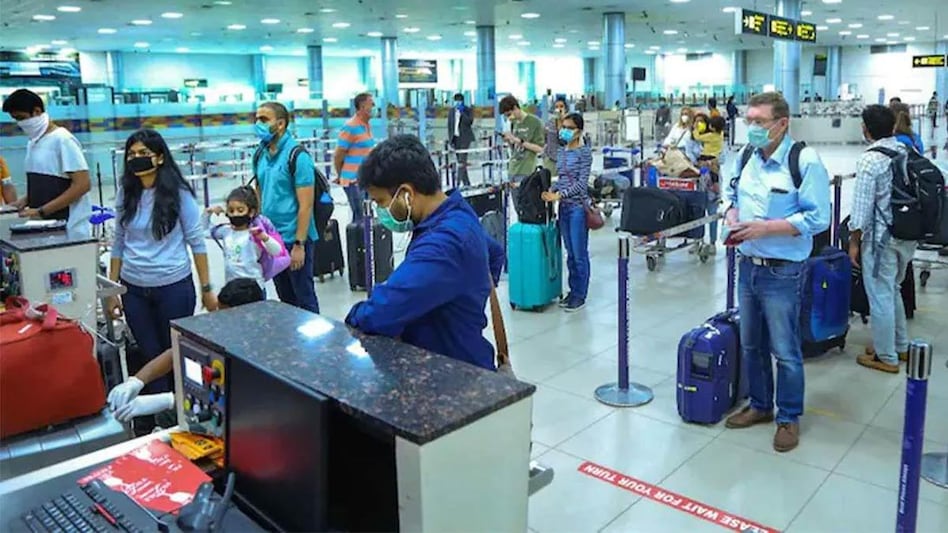
 Several airports like Bengaluru, Hyderabad, Chennai, Goa and the upcoming one at Greater Noida are investing big in cargo infrastructure.
A strong recovery in domestic traffic and continued improvement in international traffic due to the expansion of bubble flight operations led to footfalls markedly improving across airports in the country.
According to data from the Airports Authority of India (AAI), all operational airports handled 1.89 lakh commercial flight movements, 2.32 crore passengers and 2.58 crore tonnes of freight during November 2021. In the same period last year, the numbers had stood at 1.28 lakh, 1.35 crore 2.43 crore tonnes, respectively.

 'Important step': RBI backs new UPI charges, says all transactions remain free for users
 'Private sector must invest, must hire and compensate fairly': CEA Nageswaran asks India Inc to step up
 UPI MDR of 0.4% on transactions above ₹2,000 from October 15: What you need to know
 Apple under pressure in India over iOS 18 screen damage and warranty claims: All details
 India exports 500 tonnes of hilsa to Bangladesh as fish trade flow reverses
 Crude Oil Price Surge: Will Petrol And Diesel Prices Rise In India?
 Market Commentary: Sharad Avasthi On Nifty, Stocks & The Next Big Move
 RBI Files Caveat In Bombay HC Ahead Of Tata Sons Appeal | Tata Group Stocks | Tata Chemical Shares
 NSE IPO Explained: Price Band, Valuation, Growth Potential And Key Risks
 Stock Market Falls As Crude Oil Nears $110 & Weak Rupee | Stock Market News
 From floor trading to free cash flow: What NSE achieved in 32 year journey — numbers tell story
 UPI MDR revision from Oct 15: Mutual funds, securities, stockbrokers to attract 0.02% charge; check details
 CDSL shares slip 4%; brokerage upgrades stock to 'Buy': Check revised target
 Paytm, One Mobikwik shares: How UPI fee fears may affect sentiment in fintech players
  Sensex tumbles 778 points; Nifty briefly slips below 22,900 amid CAS volatility; what's ahead?From floor trading to free cash flow: What NSE achieved in 32 year journey — numbers tell story
 A pen worth ₹90 lakh: Its secret came from space and buyers snapped it up
 Beyond Team India: Dhoni, Sachin, Siraj among cricketers with police, defence ranks
 Xiaomi goes big on laundry: This new machine can wash 3 loads separately
 41 tonnes gone: Delhi Metro is turning your old clothes into something useful












