


 Of the 35 graduates not in the labour force, 20 are engaged in domestic duties, all of them women, while 14 are pursuing higher education and one is in vocational training or other activities.
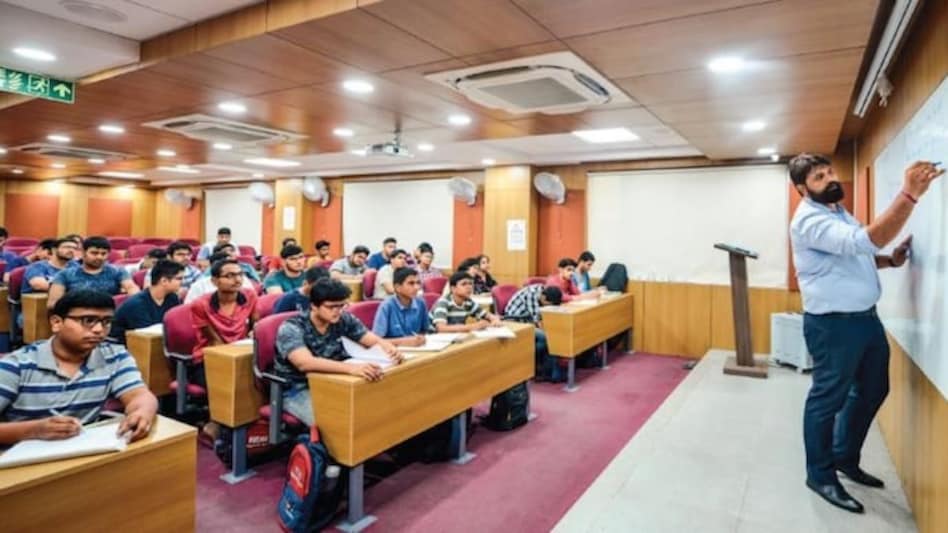
Despite earning a college degree, only a quarter of young Indians are able to secure salaried employment, while an even smaller fraction have jobs that offer basic workplace protections, highlighting the challenge of creating quality employment in the country.
According to a Bloomberg News analysis of India's Periodic Labour Force Survey (PLFS) unit-level data, only 26 out of every 100 graduates aged 15-29 in 2025 have regular salaried jobs. Of these, just four have the complete package of a written employment contract, paid leave and social security benefits, indicating that formal employment remains out of reach for most educated youth.

 BT BIG STORY: IPO done, NSE is now looking at other options for future business
 Sensex, Nifty face global selloff as Kospi, Nikkei tumble like a house of cards; here's why
  US work visa overhaul: Proposal to end H-1B deference policy puts lakhs of Indians at risk
 LTCG tax rollback: What investors want from Budget 2027 and will the government deliver?
 Hyundai inaugurates AI-enabled Pune plant backed by ₹11,000 crore investment
 IMC 2026: The Biggest Tech Innovations You Need To See!
 What Is A Specialized Investment Fund (SIF)? SIF Vs Mutual Funds Explained
 This Week In Cinema: Jailer 2, Ranabaali, Prahaar, Nayyi Navelli & Street Fighter Hit Theatres
 India Inflation Shock: WPI Hits 11.39%, CPI At 5.54% As Crude Oil Touches $107 A Barrel
 Cabinet Approves IDBI Bank Stake Sale to Fairfax: Is the Stock Still a Buy?
 BHEL, Vedanta, IDBI Bank: Target stocks to trade — Check key levels, target prices & stop loss
 Data Patterns, KVB, Syrma SGS among 6 stocks available for F&O trading from Oct 28
 GIFT Nifty flat; RIL, Dr Reddys, IDBI Bank, Tata Tech, ICICI Lombard GIC among top stocks in focusSensex, Nifty face global selloff as Kospi, Nikkei tumble like a house of cards; here's why BT BIG STORY: IPO done, NSE is now looking at other options for future businessBHEL, Vedanta, IDBI Bank: Target stocks to trade — Check key levels, target prices & stop lossData Patterns, KVB, Syrma SGS among 6 stocks available for F&O trading from Oct 28GIFT Nifty flat; RIL, Dr Reddys, IDBI Bank, Tata Tech, ICICI Lombard GIC among top stocks in focus
 Jammed rifle stops US teen's mass shooting plot at temple in Chicago, suspect in custody
 Petrol, diesel prices today (October 15): Check latest rates in Delhi, Mumbai, Chennai, Kolkata & more












