


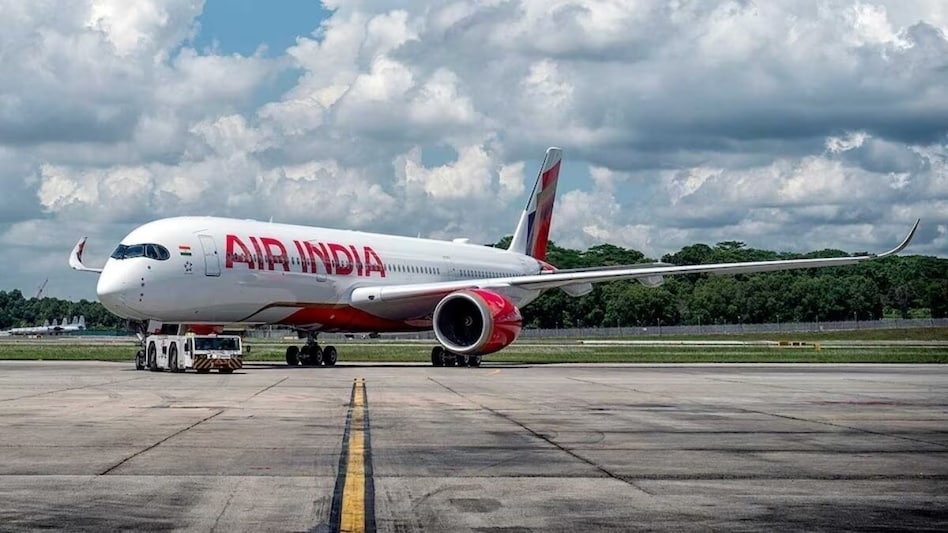
 Air India has had a very challenging year, said N Chandrasekaran
Air India, the Tata Group-owned airline, has had a difficult FY26. Tata Sons’ Chairman, N Chandrasekaran, in a letter to shareholders was, however, optimistic on the way forward.
“A nation of 1.4 billion people, with one of the world’s fastest growing economies, deserves a world-class flag carrier. Rebuilding Air India is a long journey: fleet renewal, training, service transformation, network expansion. Every great airline in history was built over decades, not quarters,” he said.

 BSE to replace Wipro in Nifty 50 index from September 30: All you need to know
  Meta, MeitY get NHRC notice over anti-Modi political content featuring children on Instagram
 Small savings rates for Q3 FY27: Will the government hike interest rates for the October-December quarter?
 ‘Standoff doesn’t help, third parties will take advantage’: Jaishankar on India-China ties
 BT BIG STORY: Why crypto is still thriving among Indian investors
 Nepal Landslide Horror: Mountains Collapse Into River, Homes & Roads Swept Away In Seconds
 U.S. Tariff Relief For Indian Pharma: Select Specialty Drugs Get Zero Tariff
 OpenAI Pauses AI Model Training After Agents Behave Unexpectedly On U.S. Government Websites
 Tata Trusts Strike Back: Propose Tata Sons Rejig To Keep Conglomerate Unlisted
 Why Was The Veeramani POCSO Case Closed? 4-Page Police Report Raises Questions
 Tata Sons listing may have no immediate rating impact, S&P says
 Market trims losses: Nifty bounces back from 200-WMA on expiry day
 Auto stocks to buy ahead of September, Q2 auto sales data BSE to replace Wipro in Nifty 50 index from September 30: All you need to know
  Dividend stocks: These 10 counters offer up to 9.7% yield; PTC India, Coal India, REC among top namesTata Sons listing may have no immediate rating impact, S&P says
 Apple may finally give the MacBook Pro these 3 awaited upgrades: What to expect in OctoberMarket trims losses: Nifty bounces back from 200-WMA on expiry day
 'I'll do politics but...': Month after resignation, ex-IAS officer Divya Mittal announces entry in politicsAuto stocks to buy ahead of September, Q2 auto sales data












