

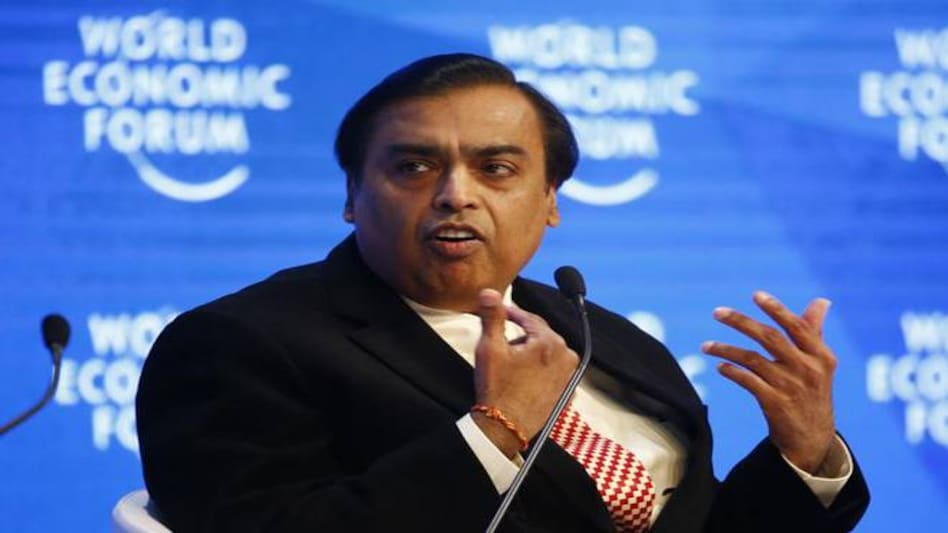
Mukesh Ambani-led Reliance Industries has broken three records in the past two days -- his company initially entered the $100-billion market cap club, then it breached the Rs 7-lakh crore market valuation, and now India's richest man has replaced Chinese giant Alibaba Group's founder Jack Ma to become Asia's richest person.
As RIL stock surged to a record high of Rs 1,101 after touching an all-time high of 1,106.65 during the day on Friday, the net worth of Mukesh Ambani -- who holds 44.5 per cent stake in the company -- also jumped to $44.3 billion. According to BloombergQuint, Ma's wealth stood at $44 billion at the close of trade on Thursday in the US, where the company is listed. The report suggests while Mukesh Ambani has gained fortune worth $4 billion this year alone, Jack Ma lost around $1.4 billion.
 GST Council to take up proposal of MDR on UPI
 Tata Sons rejects Noel Tata objections over N. Chandrasekaran reappointment
 SEBI rewrites PMS rulebook, allows IPO, foreign securities and unlisted debt investments
 BT Big Story: Is 66% = zero? The Tata Sons question on everyone’s minds
  Govt, IBA to work on mechanism to ensure UPI MDR isn't passed on to consumers
 Meta’s New Gadgets: Camera-Free Glasses, VR Eyewear And AI Handheld Device Unveiled
  MDR Levy: Will Retail Trading Volumes Take A Hit? | NSE Chairman Srinivas Injeti
 NSE Lists At ₹1,800: Exclusive Post-Listing Interview With India's Largest Exchange
 From Mobile Trading To AI: How NSE Plans To Protect Market Integrity
 NSE On India’s Capital Markets Growth | IPOs, REITs, InvITs And More
 SEBI rewrites PMS rulebook, allows IPO, foreign securities and unlisted debt investments
 HSBC plans India equity broking return amid IPO boom, says report
 Whirlpool of India clarifies on promoter stake sale report; stock slips
 From Azim Premji to DMart’s Radhakishan Damani: The famous investors sitting on thousands of crores in NSE shares
 Solar Industries stock gets 'Buy' call on defence push and global explosives growthGST Council to take up proposal of MDR on UPISEBI rewrites PMS rulebook, allows IPO, foreign securities and unlisted debt investments
 Who was T N Seshan? Former CEC trending amid SIR row; check his key role in transforming Indian pollsGovt, IBA to work on mechanism to ensure UPI MDR isn't passed on to consumers
 Oil rises as Iran threat to widen war dims hopes of Strait of Hormuz deal












