


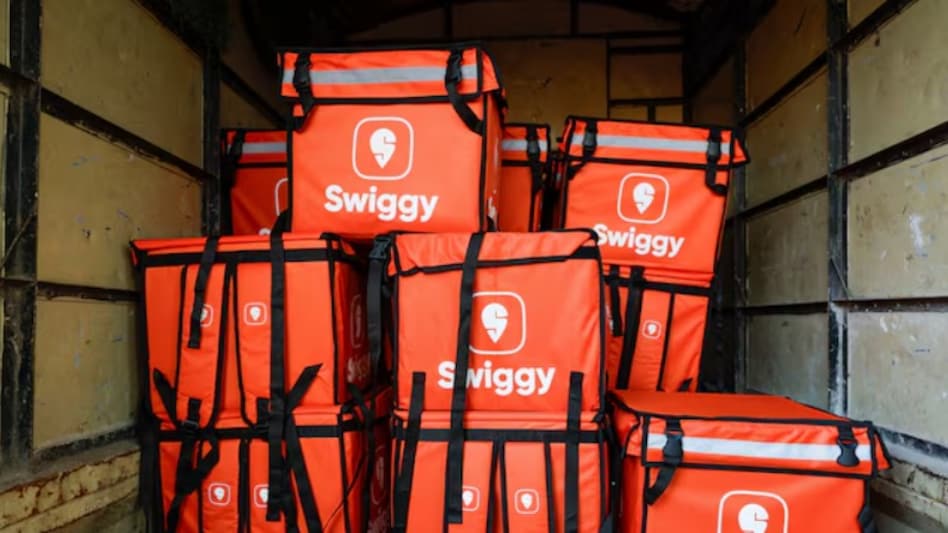
 Foreign ownership in Swiggy is around 60%
Swiggy is looking to shed its “foreign-controlled” tag as the food and quick commerce major moves to qualify as an Indian Owned and Controlled Company (IOCC), a transition that could significantly reshape how it operates its fast-growing quick commerce business.
The Bengaluru-based company recently proposed amendments to its Articles of Association (AoA), aimed at streamlining governance and management control enabling easy inventory controlled. Foreign ownership in Swiggy is around 60% with Prosus holding over 30%, Softbank around 7% etc as per Tracxn with stakes changing.

 BT BIG STORY: Why crypto is still thriving among Indian investors
 Tata Sons reorganisation is a fresh twist in a long tale
 Adani Power, AEL, Adani Ports, Adani Energy: Adani stocks in focus after SEBI MPS case settlement
 Big relief for Indian pharma: US puts India among 20 countries getting 0% tariff on select speciality drugs
 ‘Resist shutdown, conceal info’: Anthropic says AI may pose existential risks to humanity in IPO prospectus
 ₹7.5 Lakh Crore Gone | Real Reasons Behind Market Sell-off | Stock Market News Today
 Silver Prices Are Down 13% This Year: Is The Crash Over Or Just Beginning? Expert Anuj Gupta
 Multi-Cap Vs Flexi-Cap: Which Fund Fits Your Portfolio & Risk Appetite?
 Crude Oil Next Big Commodity Bet? | Strait Of Hormuz Crisis | Commodity Outlook
 Nifty Falls: 22,500-22,300 Next? Expert Warns Against Bottom Fishing Amid Sharp Sell-Off
 Block deal today: Honasa may see 89 lakh shares changing hands; floor price at Rs 450
 Pharma stocks: Sun Pharma, Dr Reddy’s, Cipla, Biocon and others in focus today; here's why
  IRFC shares in focus after Rs 4,200 cr term loan agreement with DVC; stock down 38% in YTD
 GIFT Nifty down 81 points; Honasa, Varmora, ITC, HCL Tech, IRFC, Tatas among top stocks in focusAdani Power, AEL, Adani Ports, Adani Energy: Adani stocks in focus after SEBI MPS case settlementBlock deal today: Honasa may see 89 lakh shares changing hands; floor price at Rs 450‘Resist shutdown, conceal info’: Anthropic says AI may pose existential risks to humanity in IPO prospectus
 LPG, CNG, PNG prices today (September 29): Check latest rates in Delhi, Mumbai, Kolkata, other cities
 Petrol, diesel prices today (September 29): Check latest rates in Delhi, Mumbai, Chennai, Kolkata & morePharma stocks: Sun Pharma, Dr Reddy’s, Cipla, Biocon and others in focus today; here's why












