

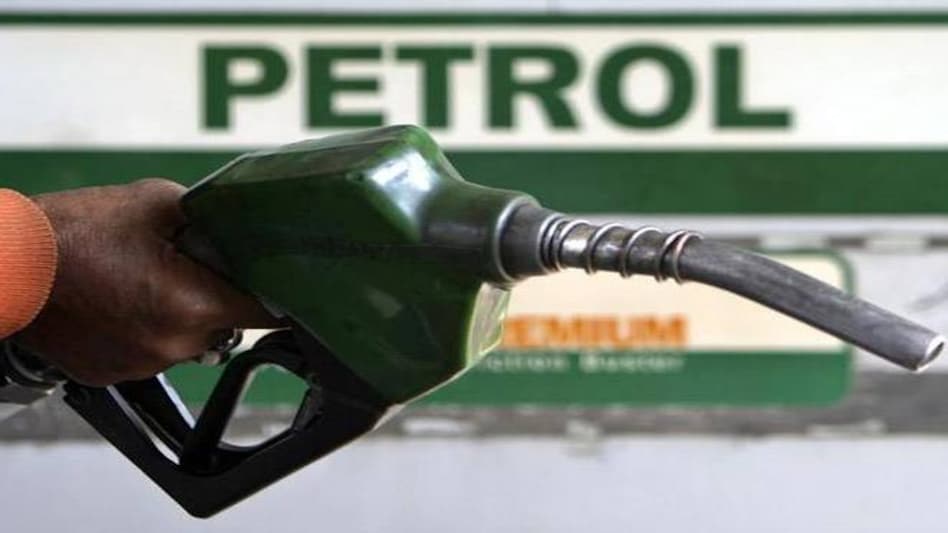
Fuel prices were today slashed for the twelfth straight day. Petrol price is cut by 24 paise to Rs 76.78 and diesel by 18 paise to Rs 68.10 in Delhi. In other metro cities, petrol is being sold at Rs 79.44 in Kolkata, down by 24 pasie; Rs 84.61 in Mumbai, down by 23 paise and Rs 79.69 in Chennai, cut by 26 paise. In last 12 days, the petrol price has come down by Rs 1.65 paise - in the national capital - from its record high of Rs 78.43 on May 29. Before slashing the prices, oil marketing companies had hiked the fuel cost for 16 consecutive days - from May 13 to May 29, petrol price was raised by Rs 3.8 and diesel by Rs 3.38 per litre.
Indian petroleum prices are determined by the cost of crude oil in international market. Last year, crude oil prices shot up after the organisation of oil exporting countries decided to withhold the excessive output, which had brought down the prices to the lowest in more than a decade. The countries slashed the overall fuel supply by about 1.8 million barrels per day that created the shortage of crude which in turn spiralled the prices.
 'Don't kill the Golden Goose': Trump says US must keep its AI lead over China
 Made-in-India cars are winning over Japan! Maruti powers nearly two-thirds of Suzuki's global production
 Amazon bets big on value commerce as Bazaar grows 5X, expands beyond Tier-2 and Tier-3 India
 Inflation heats up: Food prices rise, crude crosses $100; what it means for your wallet
 US could cut the 40-hour workweek to 32 hours: Here's what the new bill proposes
 Why Crude Oil Prices Are Rising Again Now?
 Modi Xi Meet After 7 Years In India Signals Possible Reset In Bilateral Ties
 BRICS Summit 2026: India Secures New Delhi Declaration After Intense Negotiations
 BRICS Summit 2026: Modi’s Big Diplomatic Win As New Delhi Declaration Gets Backing
 Dario Amodei, Sam Altman, Elon Musk Back AI Slowdown Call Amid Growing Safety Concerns
 Varun Beverages shares slip 25% from 52-week high; more downside ahead?
 Uno Minda gets 'IND A1+' credit rating for commercial papers from India Ratings
  Karnataka Bank, Pondy Oxides, ITDC, Blue Dart among stocks to turn ex-dividend on September 15
 Stock market outlook: Crude oil prices, US Fed's policy decision among key factors to watch out for this week
 Raghav Productivity Enhancers' subsidiary bags patents for quartz processing'Don't kill the Golden Goose': Trump says US must keep its AI lead over China
 Saudi Arabia's huge mineral discovery: 110 million tonnes of rare earth, uranium-rich ore found in Madinah
 Delhi HC rejects Vimal Elaichi maker's plea against notices to Shah Rukh, Ajay Devgn, Tiger ShroffAmazon bets big on value commerce as Bazaar grows 5X, expands beyond Tier-2 and Tier-3 India
 Massive win for BJP in Rajasthan local polls, Congress loses Kota where Rahul Gandhi launched student campaign












