


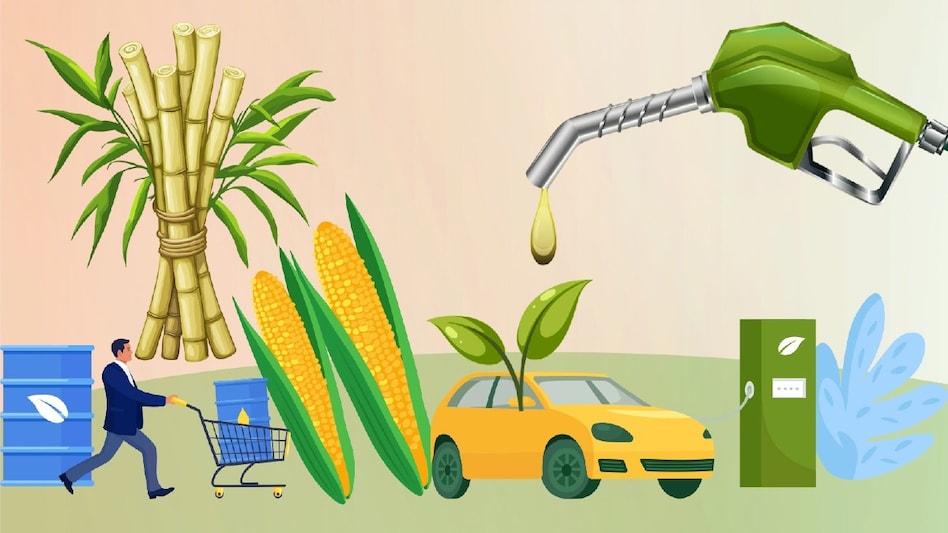
 A higher blend of ethanol in petrol will lead to higher offtake of farm output such as sugarcane, corn, etc.
The government is set to issue a draft policy for E85 (ethanol 85), where ethanol blending in petrol is as high as 85% to power flex-fuel vehicles.
Earlier this week, the government discussed with several stakeholders on E85, indicating that oil marketing companies are ready to offer higher ethanol-blended fuel. The Centre has also urged the automobile industry to be ready with flex-fuel engines.

 Will RBI raise interest rates in October? Here’s what experts have to say
 Bitter Friday for Nestlé: Russia seizes assets as Moscow targets Western firms over Ukraine support
 West Asia impact: Saudi Aramco halts European crude allocations after East-West pipeline attack
 Tata Electronics partners with Japanese, Malaysian firms to boost semiconductor manufacturing in India
 From selling gold to spending ₹3.5 lakh: iPhone 18 Pro fever hits India as fans queue up on sale day
 “Unacceptable And Unprofessional”: MEA Rejects Pakistan’s Claims Over INS Kolkata Collision
  Commodity Trading For Beginners: How MCX & NCDEX Work | Trading Basics | Money Today
 US Fed Rate Hikes A Headwind For Foreign Flows? | Jibi Jacob | Jefferies
 ₹25 Billion FII Outflow: What Could Bring Foreign Investors Back? | Jefferies' Jibi Jacob
 India’s Private CapEx Picks Up: Christopher Wood On The Market Outlook
 Jindal Supreme, SS Retail, Hero Motors IPOs subscribed up to 181 times on final day; details here
 Sensex, Nifty post sixth weekly loss; TCS, Titan among top laggards, slip up to 4%
 How AI collapse could benefit Indian equity market; Jefferies' Christopher Wood explains
  Banks are no more secular growth story, prefer NBFCs: Chris Wood
 Jefferies' Christopher Wood sees gold at $10,000 'sooner or later'; likes India's small, midcaps
 Fueling India’s tech surge: NaBFID lines up ₹3,000 crore loans for data hubs
 Panic button: California governor issue order for mandatory kill switch on advanced rogue AIWest Asia impact: Saudi Aramco halts European crude allocations after East-West pipeline attack
 Air India's incoming CEO weighs merging budget arm AI Express to rein in swelling costs: Report
 Darkness at 9 pm: Pakistan shuts markets, slashes allocations amid severe fuel & gas crisis












