


 Under FEMA rules, a company qualifies as an IOCC only if both ownership and effective control rest with Indian residents or Indian-owned entities.
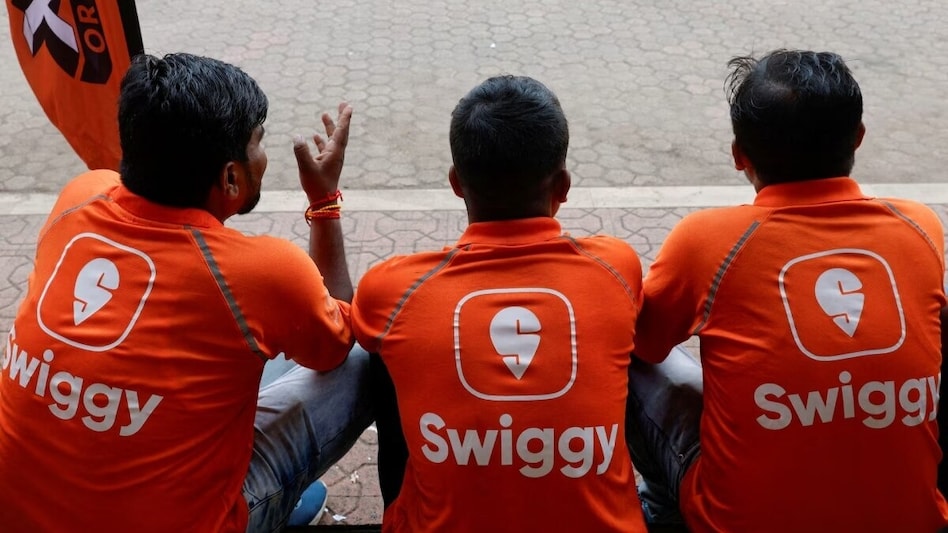
Food delivery and quick commerce major Swiggy has hit a roadblock in its attempt to become an Indian Owned and Controlled Company (IOCC), after shareholders rejected a proposal to amend its Articles of Association (AoA), a move central to its governance restructuring plans.
The special resolution secured only 72.36% shareholder approval, falling short of the mandatory 75% threshold required for such amendments.

 India-US trade talks 'reached a plateau', compromise difficult: FM Sitharaman
 'We have a long, long way to go': Venu Srinivasan on what India must do to win global manufacturing
 Why are airlines opposing operations from Adani’s Navi Mumbai Airport?
 Jio Platforms IPO date, size, listing: Check tentative times; all key information you need to know
 India must move from assembly-led growth to end-to-end manufacturing capability: N Chandrasekaran
 India’s New Investment Protection Template: FM Sitharaman Eyes 3 More Deals By December
 FM Sitharaman On India’s Green Push: Solar, Green Hydrogen & Modular Nuclear Reactors
 MBA And The Changing Workplace: IIM Calcutta Director Alok Rai On Skills, Careers And Leadership
 ‘Investment Is Once Again Leading Growth’: Anuradha Thakur On India’s Private Investment Revival
 Flydubai FZ1073 Horror: ‘One Final Push’ Injured Flydubai Pilot Recounts Cockpit Attack
 Marico shares rise 3% on Q2 business update; Nuvama bullish on volume growth
 Sensex, Nifty snap 4-session losing run; can markets sustain recovery amid caution?
 Vodafone Idea, Bharti Airtel: Q2 results preview, share price targets
 Delta Corp shares zoom 19%, approach 52-week high; here's why
  Jio Financial share price: Stock faces more pain; expert sees Rs 200-Rs 190 downside
 Qualcomm's post-app blueprint: Don McGuire on Agentic AI, 6G and India's next frontierIndia’s New Investment Protection Template: FM Sitharaman Eyes 3 More Deals By DecemberIndia-US trade talks 'reached a plateau', compromise difficult: FM SitharamanMarico shares rise 3% on Q2 business update; Nuvama bullish on volume growthFM Sitharaman On India’s Green Push: Solar, Green Hydrogen & Modular Nuclear Reactors












