


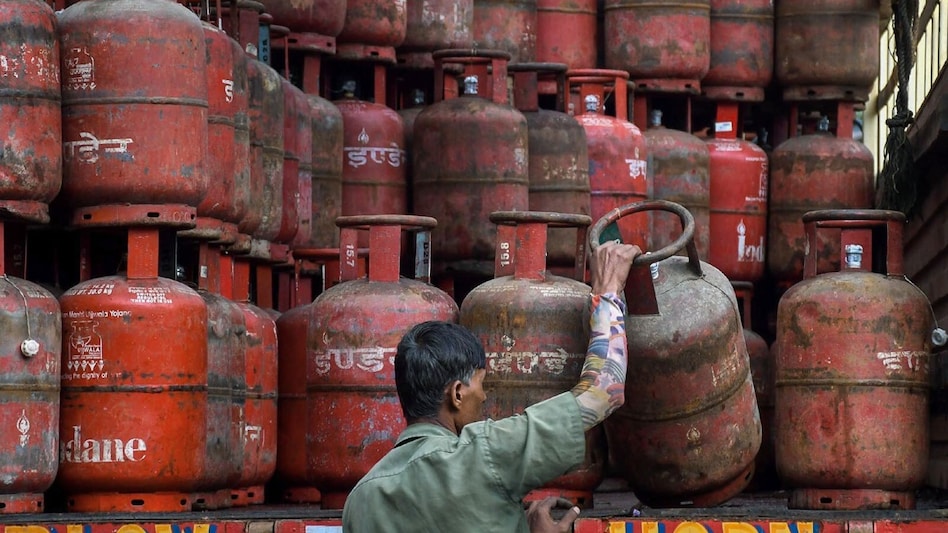
 LPG has the largest fossil fuel subsidy, making it a key source of fiscal vulnerability. India imports around 60% of its LPG, exposing subsidy spending to global price volatility.
 India spent at least Rs 4.3 lakh crore, or 2.3% of its GDP, on energy subsidies last fiscal year, 75% of which were consumption subsidies for electricity and LPG, highlighting the scale of public spending currently required to manage energy affordability, according to International Institute of Sustainable Development (IISD).
LPG has the largest fossil fuel subsidy, making it a key source of fiscal vulnerability. India imports around 60% of its LPG, exposing subsidy spending to global price volatility. Subsidies for LPG reached Rs 71,718 crore in FY 2025, nearly half of which are under-recoveries (the losses oil and marketing companies incur when retail prices are kept below cost), says IISD analysis.

 One-fourth of cars sold by Tata Motors Passenger Vehicles are now EVs
 IRDAI’s insurance distribution reforms: What changes for insurers, brokers, customers
 This is not a tax, cess, surcharge...: FM Sitharaman explains what the new UPI MDR really means
 Five-day banking week never up for negotiation, say govt sources
 GLP-1 drugs are under fresh scrutiny over rare condition; here's what's happening
 Demand Robust Across Segments | Production To Ramp Up, Exports To Expand: Vivek Srivatsa
 GST Council To Meet On October 7: Invoice Matching, ITC & UPI MDR Tax In Focus
 Tata Chip Plans Stay On Track Despite Boardroom Rift; Dholera Fab Investment Unaffected
 GLP-1 Drugs Face Eye Safety Concerns: Will Fresh Scrutiny Impact India's Growing Market?
 Inside Tata’s Biggest Boardroom Battle: Noel Tata Vs N Chandrasekaran Explained | Hitesh Jain
 IPO rush: Four IPOs conclude today; check subscription status, other details of issues still open
 Meesho shares slip 7% as Nomura assigns 'reduce' call; here's what the brokerage says
  Sensex, Nifty extend losing streak to seventh week, longest since 2020: What's next?
 Suzlon in bear grip: Oversold signals emerge near 52-week low for the stock
  EIL shares jump 7% to hit record high; stock up nearly 62% in six months: What's driving the rise?
 Tata Sons boardroom dispute: Why Tata Trusts and the group are at oddsOne-fourth of cars sold by Tata Motors Passenger Vehicles are now EVs
 IRDAI’s proposed distribution overhaul: Insurance sector may see major reset; could force distributors rework business models, innovate, say analystsIPO rush: Four IPOs conclude today; check subscription status, other details of issues still open
 Gold imports plunge in India, but gold ETFs surge: What the demand shift means for investors












