


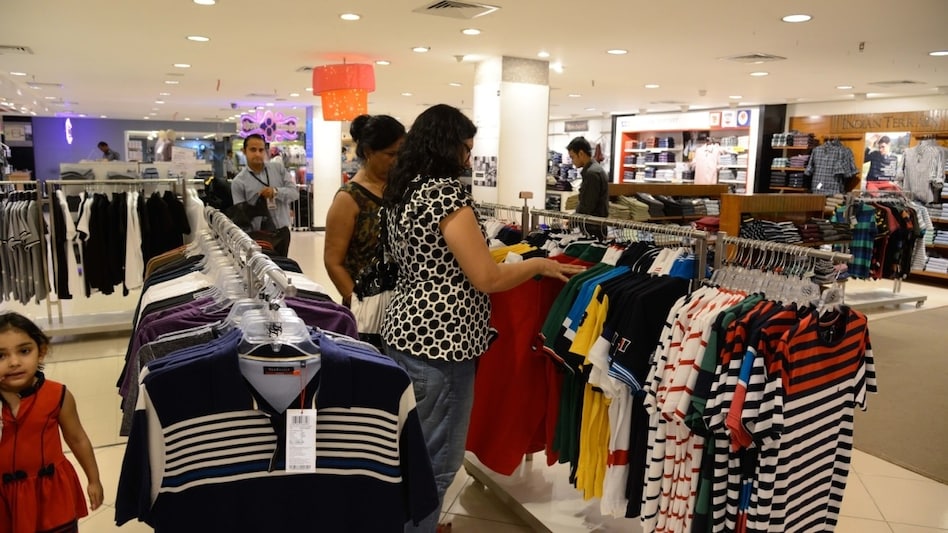
 On Sunday, PM Narendra Modi, in his address to the nation, hailed the reforms as “next generation reforms” and congratulated citizens on what he termed the “GST Savings Festival.”
India’s goods and services tax (GST) structure has undergone its most significant reform since its launch, with sweeping rate cuts across agriculture, autos, appliances, textiles, and everyday essentials. According to the Finance Ministry’s Monthly Economic Review (August 2025), the changes are expected to stimulate consumption, ease inflationary pressures, and provide a timely boost to overall economic activity.
The GST reforms that came into effect on Monday (September 22, 2025) are expected to reduce household expenses on groceries and daily essentials by 13%, while buyers of small cars could save nearly Rs 70,000. Government estimates suggest that purchases of stationery, clothing, footwear, and medicines will bring savings in the range of 7–12%. In addition, savings could rise to as much as 18% on individual health and life insurance policies, which have now been exempted from GST.
 India could raise ₹2 lakh crore through IPOs; 55% of FY27 proceeds already fresh capital: SEBI Chairman
 'I'll be here for 2.5 years': Trump warns Iran against waiting for midterms for a deal
 No prescription, no pills: Govt cracks whip on misuse of painkillers, antibiotics
 SEBI settles proceedings linked to Hindenburg report against 5 Adani firms for ₹1.51 crore
 'No positive response on 5-day banking': Bank unions to go ahead with 3-day strike
 IT Stocks Under Pressure: What Next For Indian Markets? | Chakri Lokapriya
 Karnataka’s Welfare Schemes Under Pressure As Finance Department Flags New Challenges
 Family Disputes Can Hold Businesses Back: Nirmala Sitharaman’s Message To Family Firms
 TRAI New Rules: Voice-SMS Only Plans Mandatory | What It Means For 20 Crore Non-Data Users
 Oil & Gas Capex Boom: Anshul Saigal Names Energy Stock He Owns | Saigal Capital Advisors
 Corporate bonds hit ₹61 lakh crore: SEBI pushes for deeper and more liquid debt markets
 Peshwa Wheat to raise ₹53.52 crore through IPO; funds to go towards expansionIndia could raise ₹2 lakh crore through IPOs; 55% of FY27 proceeds already fresh capital: SEBI Chairman
 Balmer Lawrie to demerge Travel & Vacations unit into wholly-owned subsidiary: Report
 Sansera Engineering shares rise 7%; Goldman Sachs raises target; sees further upside
 Ahmedabad, Pune, Jaipur, Surat, Lucknow: What makes these cities India's new consumption hubsCorporate bonds hit ₹61 lakh crore: SEBI pushes for deeper and more liquid debt markets
 'Stars shouldn't endorse harmful substances': President Murmu urges celebrities to act responsibly
 'Nobody asked, nobody cared': IIT Madras alumnus on 'caste system' he saw on campus in the '80s
 Nagaland's 'Angh' wins Toronto International Film Festival award, Becomes eligible for 2027 Oscars












