


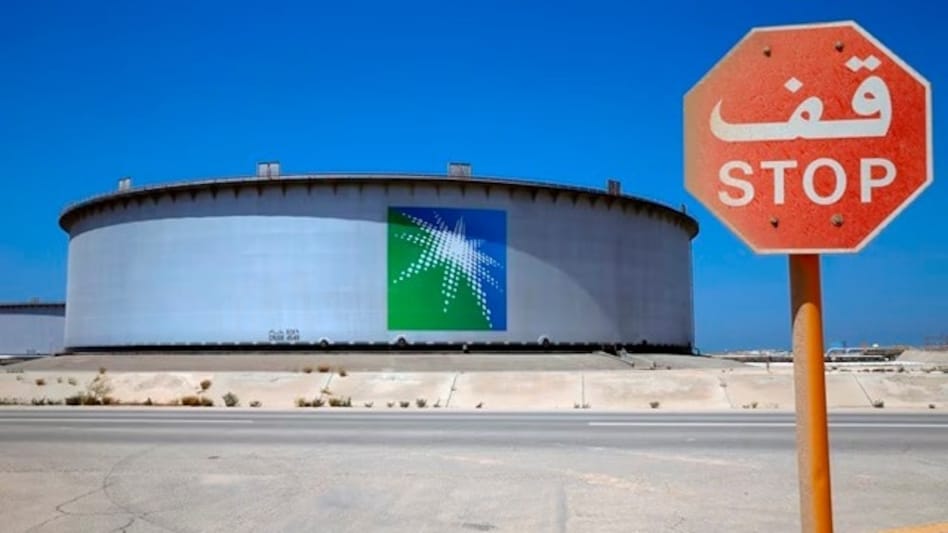
 Saudi Aramco curbs output at two oilfields as Iran war chokes Hormuz
Saudi oil giant Aramco has begun cutting output at two of its oilfields after tanker traffic through the Strait of Hormuz was disrupted by the Iran war, Reuters reported on Monday, citing two sources.
Also read: West Asia conflict: Supply, price disruptions impact several commodities beyond crude oil

 'We don't fear competition': Reliance hits back at Musk's Starlink India claims
 BT BIG STORY: 'Ratan Tata never wanted to list Tata Sons'
 Jio Platforms IPO enters crypto markets as Bitget launches pre-IPO futures for valuation bets
 India may raise fuel prices in November, says economist Alexandra Hermann Prasad
 Is Tesla bringing flying cars? Elon Musk's teaser video clip triggers buzz. Watch
 Sennheiser Momentum 5 Review: Best Premium Headphones Under ₹40,000?
 Jio Platforms IPO: ₹30,000 Crore Issue Opens October 21, Valuation At ₹10.3 Lakh Crore
 Weekend OTT Releases: The Diplomat 4, Aasha, Sacrifice And More
 How Jio Transformed India From Data Scarce to Data Abundant! | Akash Ambani | Jio Platforms IPO
 Akash Ambani Decodes Jio's Financial Muscle | Reveals The 5 Key Business Drivers | Jio Platforms IPO
 Gold, silver futures gain up 1%; can this recovery sustain? Analyst view
 Multibagger HFCL shares surge over 265% YTD; brokerage initiates 'Buy' ahead of Jio IPO
 Tech Mahindra shares surge 8% as Q2 margins beat estimates; check brokerage targets
 Polycab Q2: Brokerages share price targets, firm says negligible impact of UltraTech's entry into sector
  YES Bank's AT1 bonds writeoff: Rs 11,000-crore hit for shareholders, Kotak says lender may need to raise capital
  ChatGPT takes on Google Gemini in Chrome with new AI features to automate everyday tasks: Here's how to use
 ‘We don’t feel threatened’: Apple’s Greg Joswiak responds to OpenAI’s hardware ambitionsGold, silver futures gain up 1%; can this recovery sustain? Analyst viewMultibagger HFCL shares surge over 265% YTD; brokerage initiates 'Buy' ahead of Jio IPO
 Centre hikes petrol export tax to ₹2.5, cuts diesel levy amid crude price volatility












