


 India has committed to reduce greenhouse gas
Ratings agency ICRA in its recent report said that commitments on emission control made by India at the recent Glasgow COP26 summit are expected to benefit the country in the long-term with new technologies in energy efficiency, carbon reduction and green fuels etc. It said that this will also open COP26 to massive investment opportunities across segments like renewables, the EV ecosystem, ethanol blending, improvement in energy efficiencies and carbon capture technologies.
India has committed to reduce greenhouse gas (GHG) emissions by 1 billion metric tonnes by 2030 and has additionally committed to a net zero carbon emission target by the year 2070. Being a developing country, which is at an inflection point in terms of its energy consumption, the nation’s per capita energy consumption is expected to surge 3x-4x over the long term, the report said.
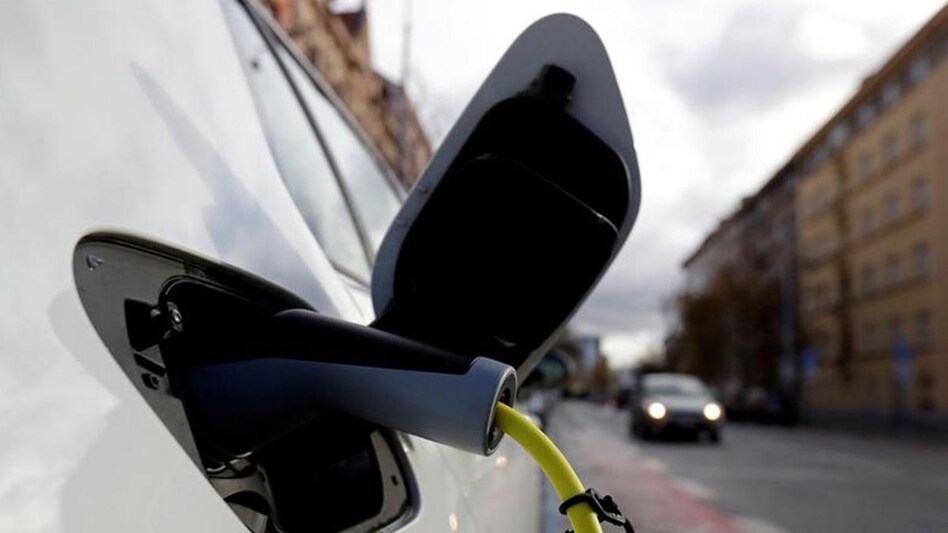
“In order to achieve the net zero target by 2070, a focused roadmap would be required. It calls for timely interventions by the government and large capex/investments in GHG emitting sectors like power, industry and transport. These sectors together emit ~90 per cent of CO2 as per 2019 data of International Energy Agency. Ambitious targets for COP26 opens massive investment opportunities across segments stemming from 500 GW renewables by 2030, higher EV penetration (~10 per cent by 2025), 20 per cent ethanol blending for petrol (~3x increase from current levels), improvement in energy efficiencies (battery storage, smart cities, etc.) and improvement in carbon capture from enhancing green cover and use of advanced technologies,” Rohit Ahuja, Head of Research and Outreach, ICRA said.
This, he added, would be a daunting task, and would need massive policy interventions to ensure investments across aforementioned sectors remain profitable enough to sustain well beyond 2030.

 BT Big Story: Why India Inc is warming up to non-English-speaking executives
  India could raise ₹2 lakh crore through IPOs; 55% of FY27 proceeds already fresh capital: SEBI Chairman
 India emerges as key diesel supplier to Turkey amid Russia, Middle East disruptions
 UPI daily limit vs ₹2,000 MDR threshold: What is the difference?
 India vs Brazil football match: VVIP seats cost ₹25,000, Check full stand-wise price list
 India’s CDMO Opportunity: Anshul Saigal Spots Underappreciated Names
 IT Stocks Under Pressure: What Next For Indian Markets? | Chakri Lokapriya
 Karnataka’s Welfare Schemes Under Pressure As Finance Department Flags New Challenges
 Family Disputes Can Hold Businesses Back: Nirmala Sitharaman’s Message To Family Firms
 TRAI New Rules: Voice-SMS Only Plans Mandatory | What It Means For 20 Crore Non-Data Users
 Corporate bonds hit ₹61 lakh crore: SEBI pushes for deeper and more liquid debt markets
 Peshwa Wheat to raise ₹53.52 crore through IPO; funds to go towards expansionIndia could raise ₹2 lakh crore through IPOs; 55% of FY27 proceeds already fresh capital: SEBI Chairman
 Balmer Lawrie to demerge Travel & Vacations unit into wholly-owned subsidiary: Report
 Sansera Engineering shares rise 7%; Goldman Sachs raises target; sees further upsideIndia’s CDMO Opportunity: Anshul Saigal Spots Underappreciated Names
 Tata Aeris: Tigor's replacement gets a feature twist ahead of September 25 launch
 Classic 350 gets a fresh look: New colour, nine variants and more to knowBT Big Story: Why India Inc is warming up to non-English-speaking executives
  iPhone 17 price during Flipkart sale: Big Billion Days deal teased at around Rs 70,000












