


 Vegetable prices recorded the sharpest corrections. Onion prices plunged 46% year-on-year, driven by abundant Rabi arrivals and increased domestic availability.
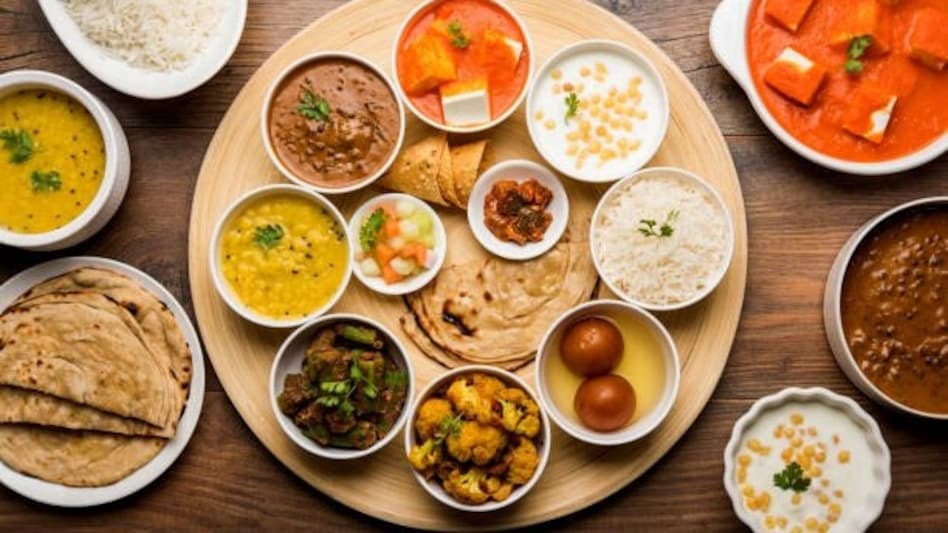
After months of high grocery bills, households may finally be seeing some relief. A new report from Crisil Market Intelligence and Analytics shows that the average cost of a vegetarian thali fell by 10% year-on-year in September 2025, while the cost of a non-vegetarian thali declined by around 6%. The fall, driven by easing vegetable and pulse prices, reflects the broader trend of moderating food inflation across India.
According to Crisil’s data, the average cost of a vegetarian thali stood at Rs 26.30 in September, compared with Rs 29.10 a year earlier. The non-vegetarian thali cost fell to Rs 52.60 from Rs 56 in the same period. The thali cost, calculated using average ingredient prices across the north, south, east, and west of India, offers an indicative measure of household food expenditure trends.

 Capital formation, exports fuel 7.8% Q1 GDP growth
 GRT Jewellers to acquire 74.12% stake in Tribhovandas Bhimji Zaveri for Rs 1,033.71 crore
 India braves global headwinds: Q1GDP surges 7.8% as investment and services fire on all cylinders
  Kotak Bank recommends two internal candidates for CEO post: Report
 'Doomsayers were doomed, India bloomed': PM Modi as GDP growth jumps to 7.8% in Q1 FY27
 Nepal Flood Horror: Sadhguru, Manisha Koirala Stand In Solidarity As Rescue Efforts Continue
 Nepal Flood Horror: Children Found Alive After Days Under Debris, Hope Emerges From Devastation
 India’s 6% Growth Trap: Why Manufacturing Still Struggles To Beat China
 India GDP Growth At 7.8%: Is India’s Growth Story Getting Stronger? | Top Economists Decode
 Midcap Fund Strategy: Where WhiteOak Capital Sees The Biggest Opportunities
 Priority Jewels IPO subscribed 21.23 times on Day 2; check latest GMP, other key details
 Ola Electric shares jump 5%; still down 34% in a year; what's ahead?
 Sensex falls 307 points, Nifty settles below 24,100; what happened today
 Market veteran Ajay Bagga on top sectoral picks; impact of oil prices, monsoon on economy
  Nifty Bank jumps over 600 points in last five minutes; CAS in focusNepal Flood Horror: Sadhguru, Manisha Koirala Stand In Solidarity As Rescue Efforts Continue
 BT Explainer: What are EREVs? Why JSW MG Motor may bring this tech to India next
 Gujarat extends gutkha ban for another year: Tobacco, nicotine products remain banned till Sep 2027
 Modi-Putin Meet In Bishkek: New Push For India-Russia Ties?
 Elevated food inflation could constrain spending on non-food discretionary items, says Monthly Economic Report












