Radiation Breakthrough
Chinese researchers from Guangzhou Institutes of Biomedicine claim a groundbreaking treatment that drastically increases survival in mice exposed to lethal radiation, hinting at future nuclear fallout protection for humans.

GIS Danger
Gastrointestinal syndrome (GIS) caused by radiation can rapidly destroy intestinal cells, proving deadlier than the initial nuclear blast. The new treatment offers hope for controlling this deadly aftermath.
Nuclear Fallout
Studies show more lives are lost to radioactive fallout than direct explosions. China’s discovery could redefine survival strategies and emergency planning in potential nuclear scenarios.
Cancer Connection
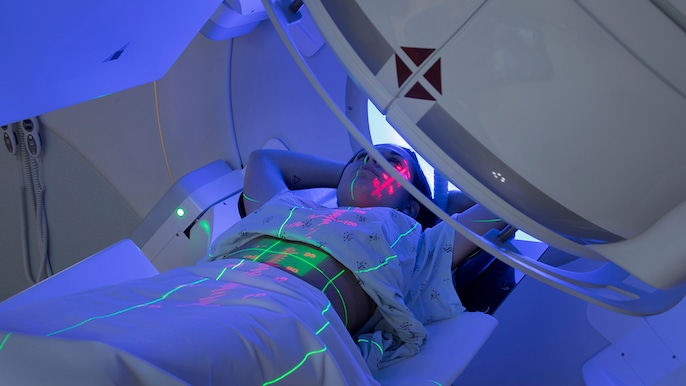
The same therapy could make high-dose radiotherapy safer, helping cancer patients avoid fatal GIS while maintaining treatment effectiveness—a dual benefit beyond nuclear survival.
STING Genes
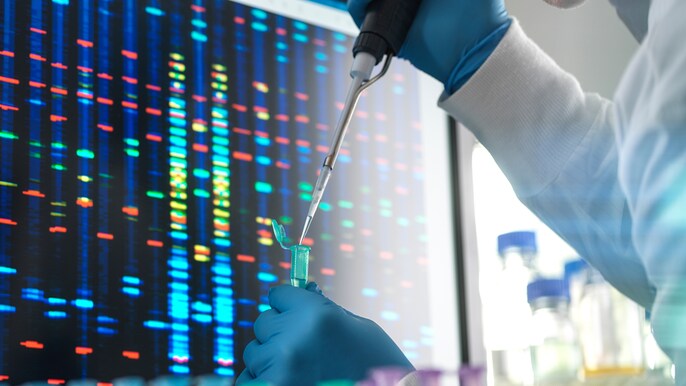
Scientists pinpointed how STING genes promote cell death after radiation-induced DNA damage, providing a precise molecular target that could transform treatments for both radiation exposure and certain cancers.

Global Implications
Beyond warfare, this breakthrough could mitigate radiation fallout during nuclear accidents like Chernobyl or Fukushima, potentially saving thousands in future emergencies.
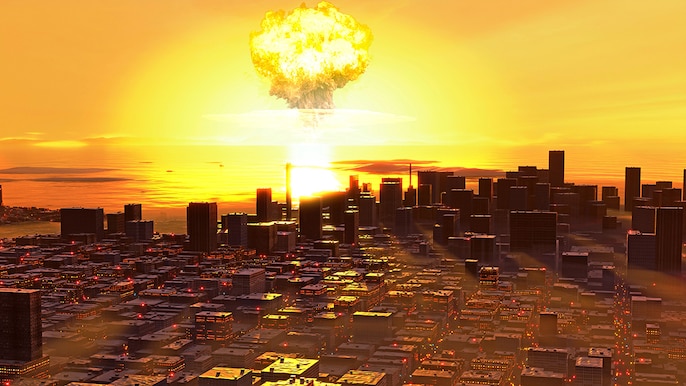
Doomsday Hope
Published amid warnings of rising nuclear tensions, the discovery represents a rare glimmer of hope that science could one day protect civilians from catastrophic radiation exposure.
 Can RBI's FCNR Scheme Bring $30 Billion? Anurag Singh Explains The Rupee Rescue Plan
 PSU Stocks Fairly Valued, But Are They The Right Choice For Long-term Investors?
 Indian Pharma Stocks Outlook: Why Satish Ramanathan Turns Bullish On Pharma
 “It's Over”: Trump Says Iran MoU Has Ended, Calls Tehran Talks A Waste Of Time Amid Fresh Tensions
 Will I.T. Companies Surprise This Earnings Season? Expert Tells What To Expect