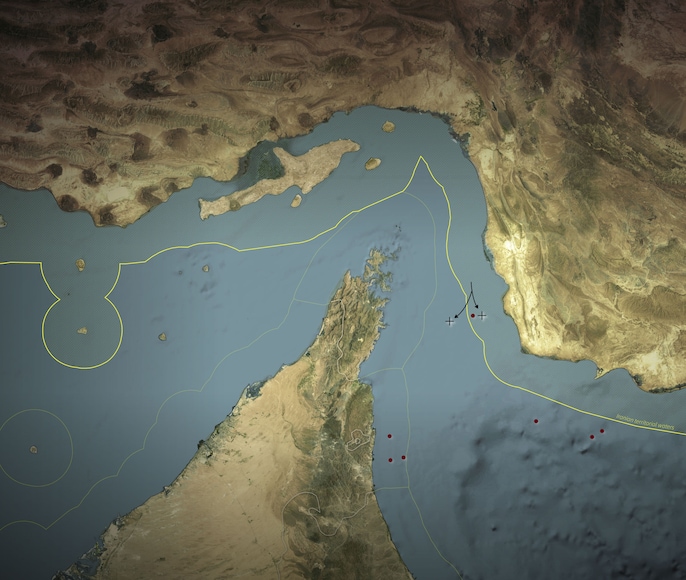
Barely 33km wide at its tightest point, the Strait of Hormuz carries nearly 20% of the world’s oil supply, according to the US Energy Information Administration. This slim stretch between Iran and Oman connects the Gulf to global markets — making it the most critical oil choke point on Earth.
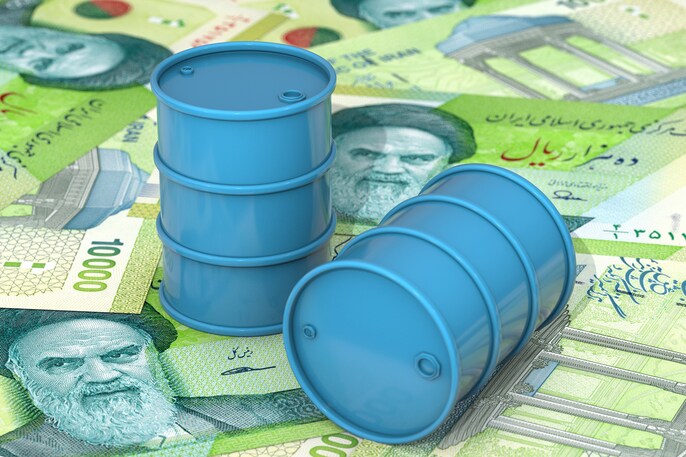
Roughly 20 million barrels of oil move through Hormuz every single day — energy worth hundreds of billions of dollars annually. Saudi Arabia, Iraq, UAE, Kuwait and Iran all rely on this corridor. If that artery clogs, the global economy feels the pressure instantly.
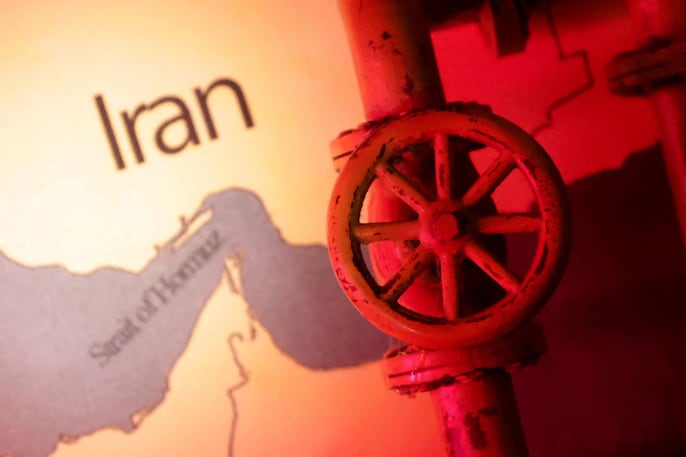
Even threats — not full closure — can spike crude prices. Brent crude recently jumped past $80 per barrel amid regional tensions. Energy analysts warn that prolonged disruption could send oil prices sharply higher, pushing fuel and transportation costs up worldwide.
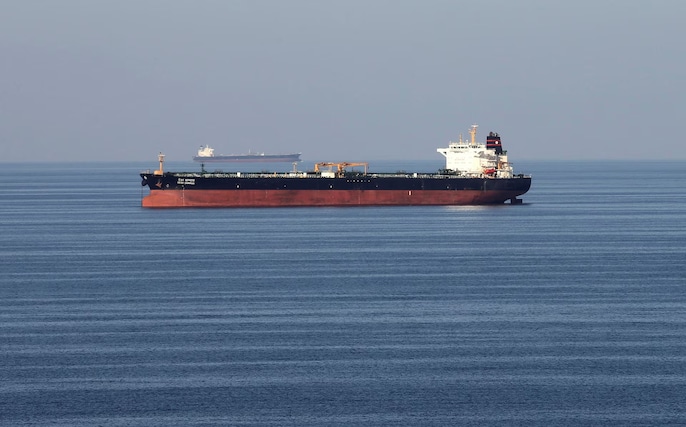
War risk changes shipping math overnight. Tanker insurance premiums surge, freight rates skyrocket, and shipowners hesitate. Reports show supertanker charter costs have doubled during heightened tensions, making oil more expensive before it even reaches refineries.
About 80% of crude leaving the strait heads to Asia. China, India and Japan are among the biggest importers. If Hormuz is disrupted, Asian economies — and manufacturing hubs that supply the world — could face immediate energy strain.
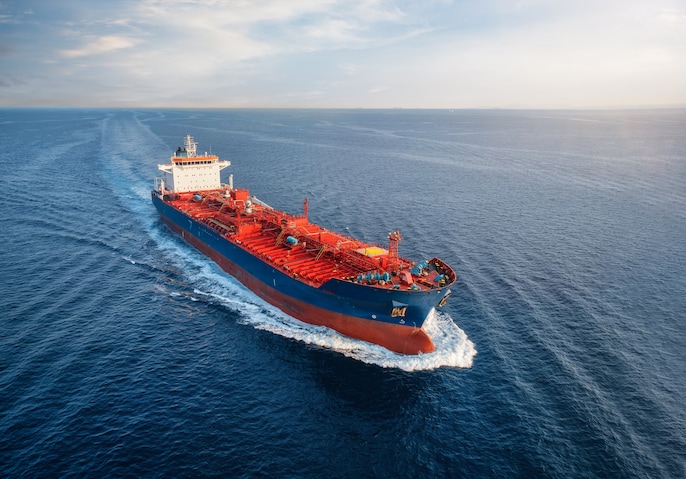
When missiles fly or mines are feared, tankers stop moving. Past escalations have left hundreds of vessels waiting outside Gulf waters. Even a temporary pause can disrupt global supply chains and tighten oil availability within days.
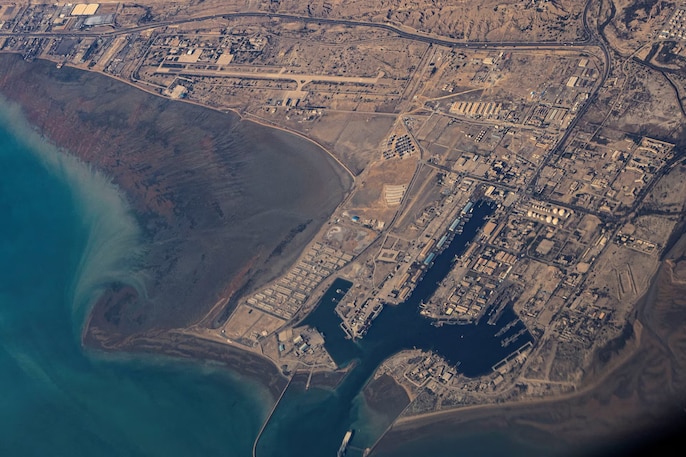
Saudi Arabia and the UAE have built alternative pipelines to bypass Hormuz. But analysts estimate those routes can only offset part of the flow. A full closure could still remove 8–10 million barrels per day from global markets — a supply shock of massive scale.
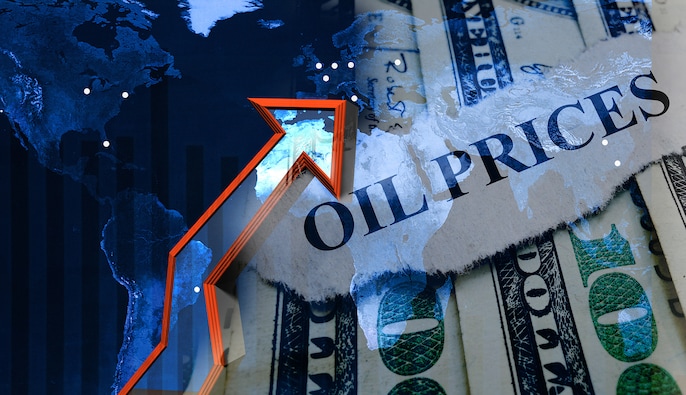
Higher oil doesn’t just affect petrol pumps. It filters into food prices, airline tickets, manufacturing costs and inflation figures. Economists say energy shocks are among the fastest ways to destabilize global growth and financial markets.
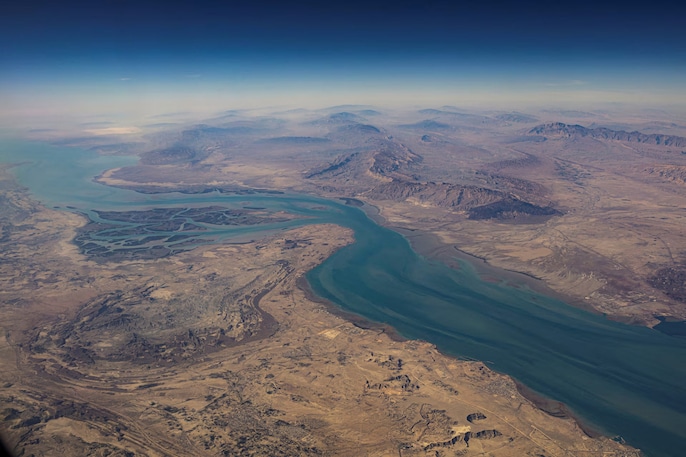
Closing Hormuz isn’t simple. The strait sits within territorial waters of Iran and Oman, and any blockade risks military confrontation. History shows the US has previously escorted tankers through the Gulf during wartime — turning economic tension into naval standoffs.
 Kotak’s Mid Cap & Flexi Cap Strategy: Where Should Investors Bet Now?
 India GDP Growth At 7.8%: What It Means For The Economy, Markets & You
 Sugar Stocks Under Pressure | Govt Tightens Dealer Stock Limits Till Nov 30
 Market Commentary: Where Is The Next Big Opportunity? | Asit Bhandarkar
 Daily Calls: Ask Your STOCK MARKET TODAY QUERIES | Market Update | Share Market News Today