


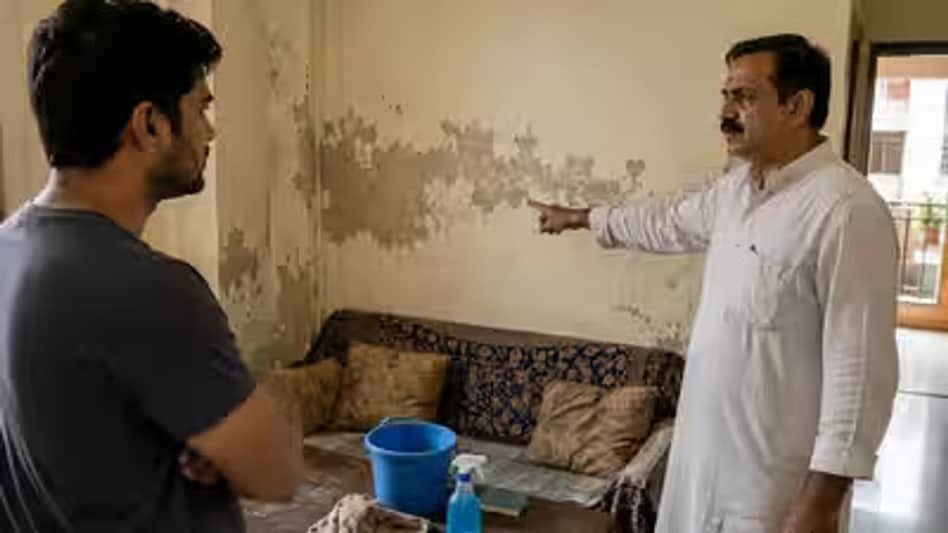
 Section 108(m) of the Transfer of Property Act, 1882, requires the tenant to keep the property in good condition during the tenure of the lease
Tenants moving out of rented homes often face a familiar dispute: how much of the security deposit can a landlord legally keep? According to recent reporting and court-backed tenancy principles in India, charges for faded paint, routine cleaning and ordinary aging of a property generally cannot be deducted from a tenant’s deposit. Instead, such costs are usually treated as normal wear and tear, which remains the landlord’s responsibility.
READ ALSO: Renting a flat? Who really bears housing society penalties for rule violations, tenant or landlord?

 How Tamil Nadu is continuing to lead in manufacturing with factories and factory workers
 Carney strikes back: Canada retaliates against US tariffs with duties on $20 billion of goods
 Get a lifetime membership at Delhi's iconic Roshanara Club; DDA opens 750 slots, check prices
 Did you know India’s cash demand is strong despite the digital payment boom?
 Xi Jinping likely to visit India after 7 years for BRICS summit, may bring 400-member delegation
 Trump Moves To Make H-1B Visa Fee Permanent And Higher: What It Means For Indians
 Market Rally Vs Geopolitical Risk: What Wins From Here? Aditya Agarwal
 Daily Calls: Ask Your STOCK MARKET TODAY QUERIES | Market Update | Share Market News Today
 Symbiotec Pharmalab IPO | Top Management On Growth Plans, Business Outlook & IPO Strategy
 Chennai Second Airport Halted: Parandur Project Faces Wetland Concerns & Political Storm
 Vedanta Aluminium share price target: Buy VAML stock for 21% upside, says MOFSL
 Top stocks in news: Groww, Welspun Corp, Gaja Capital, TMPV, Cipla, NBCC, HindCopper, UCO Bank, UPL
 Paytm shares up 33% in a month: Time to book profits or is there more upside left?
 Nykaa shares: Elara Capital hikes target price; sees 43% upside potential
 Crompton Greaves shares: Brokerage sees 67% upside potential; check target priceVedanta Aluminium share price target: Buy VAML stock for 21% upside, says MOFSLTop stocks in news: Groww, Welspun Corp, Gaja Capital, TMPV, Cipla, NBCC, HindCopper, UCO Bank, UPL
 Quote of the Day by Warren Buffett: ‘It's far better to buy a wonderful company at a fair price than a fair company at a wonderful price’
 From dishwasher to construction: How Vijay Varma turned hunger into Sai Vijay Construction, a ₹160 crore juggernaut
 IIT Delhi engineer builds engine-free fridge, slashes cooling costs by 75%












