


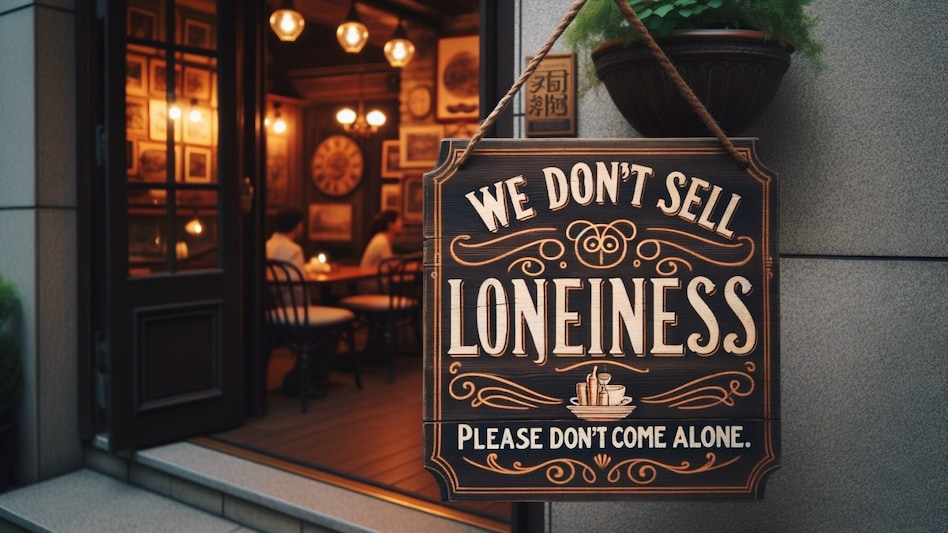
 A speech bubble on the sign read, “We don’t sell loneliness. Please don’t come alone.”
In a surprising incident in South Korea, a noodle restaurant in Yeosu City, South Jeolla Province, drew widespread criticism after displaying a notice outside its premises stating that it would not serve customers who came alone. The sign attracted attention after a visitor photographed it and posted the image online, according to the Korea Times. The post circulated widely, sparking heated discussion.
The notice laid out four instructions for solo diners: they could “pay for two servings,” “eat two servings,” “call a friend,” or “come back with your wife next time.” A speech bubble on the sign read, “We don’t sell loneliness. Please don’t come alone.”

 War to end in Gaza? Trump announces Hamas disarmament deal; Israel says terms 'unsatisfactory'
 Trump mulls hefty price tag of $100,000 on foreign students wanting to work in US after graduation: Report
 NSE IPO coming soon: SEBI in-principle accepts revised settlement term; Q1 results & more
 If you are a Scorpio woman, chances are you are among India’s top female leaders; these signs follow
 Top stocks in news: Tata Steel, Bajaj Finance, Swiggy, Mazagon, RailTel, LIC Housing, Medanta
 Should You Choose Mutual Funds Based On Expense Ratio? Pooja Bhinde Explains
 What Is The Best Age To Buy Term Insurance? Here's Why Buying Early Can Save You More
 Q1 Earnings Show Slow Growth, But Devarsh Vakil Expects Stronger Recovery Ahead For Markets
 India Market Outlook: FII Flows May Fuel Large Cap Rally As Global Money Returns To Indian Markets
 Kia Syros EV First Drive Review | 526 KM Range, Premium Cabin | Better Than Tata Nexon EV?
 Bajaj Finance shares at Rs 815 or Rs 1,300? CLSA, JPMorgan, Macquarie - highest and lowest targets
 Apollo Hospitals, Nestle, APL Apollo Tubes: Stocks to trade — Targets, stop loss & more
 Astra Microwave shares in focus on order win from HAL, check details
  GRSE wins Rs 1,032-crore order from ONGC, stock in focus
  Waaree Energies share price: Jefferies sees downside; what UBS, Nomura, others say post Q1 miss
 India’s toll revolution: 6.23 crore FASTag users, 77 lakh annual passes and no-stop tolling push
 ‘My role is no more to ask questions…’: Raghav Chadha explains silence on NEET paper leak, supports students
 Maruti XL6 facelift 2026: Everything the Suzuki XL7 reveal has just confirmedBajaj Finance shares at Rs 815 or Rs 1,300? CLSA, JPMorgan, Macquarie - highest and lowest targets
 ITR filing 2026 last day today: Who should file their returns today, who can wait till August 31










