


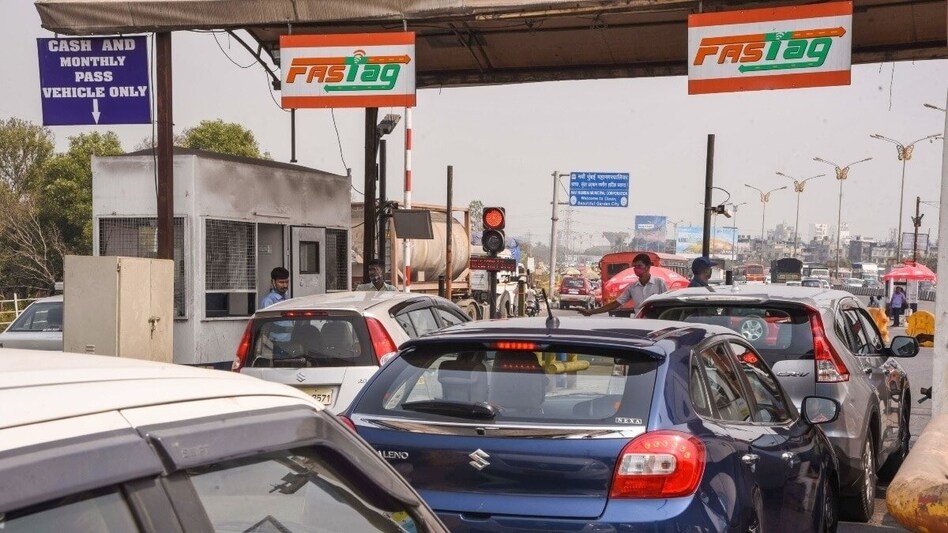
 We break down what changed, what it costs you at every step, and the one annual pass that could save you money all year long.
Forgot to recharge your FASTag? India's national highway toll system has changed fundamentally — and new rules kicked in on April 10. The government has officially banned cash payments at every national highway toll booth.
FASTag is now the main payment method. Don't have one? You can pay via UPI, but at 1.25 times the toll amount. Ignore the booth entirely, and an electronic notice will reach you within hours — pay within 72 hours penalty-free, or watch the dues double.

 Navratri gift: Govt caps margins to 30% for 137 anti-cancer drugs; revised prices from Nov 9
 Regulatory outreach a priority: Incoming CEO Anup Bagchi maps operational plan for HDFC Bank
  YES Bank Q2 profit rises 65% to Rs 1,080 cr; proforma impact of restatement of AT-I bonds revealed
 Yes Bank examining in detail Supreme Court verdict on AT1 bonds: CEO
  FSSAI cracks down on FMCG giants Nestlé India and HUL over misleading labels, safety violations
 Gold Investment Options: ETFs, EGR And MCX Explained | How To Invest In Gold Beyond Physical Buying
 Redmi Note 17 Pro Max Review , Vivo V80, Vivo Vision | Tech Gear EP 20 | Business Today
 Mahindra XUV 3XO ZNG Review: Turbo Power Meets CNG Mileage
 Gold, Silver Prices: Limited Upside Ahead Of Diwali? Expert Sees Gold At ₹1.5 Lakh, Silver At ₹2.3
 Expert Names REITs And INVITs To Watch For Quarterly Payouts And Potential Investment Returns
 Markets Next Week: Jio Platforms IPO, high crude oil prices and Q2 earnings in focus
 10 investing mistakes retail investors should avoid, from overpaying to panic sellingYES Bank Q2 profit rises 65% to Rs 1,080 cr; proforma impact of restatement of AT-I bonds revealed
 ICICI Bank Q2 results: Net profit jumps 20% to Rs 14,843 crore; NIM contracts
 IDBI Bank Q2 net profit falls 39% to Rs 2,205 crore on year-ago's one-off gain Markets Next Week: Jio Platforms IPO, high crude oil prices and Q2 earnings in focus
 TVS and Chetak face a new rival: This electric scooter promises a 250 km range
 SBI raises home loan rates by 25 bps: How much more will you pay every month?
 Top 10 industries where women make up the majority of the workforce: Here's the list
 Financial Horoscope Today, October 18, 2026: Libra Signs Will Receive Auspicious News, Find Out What Your Sign Says












