


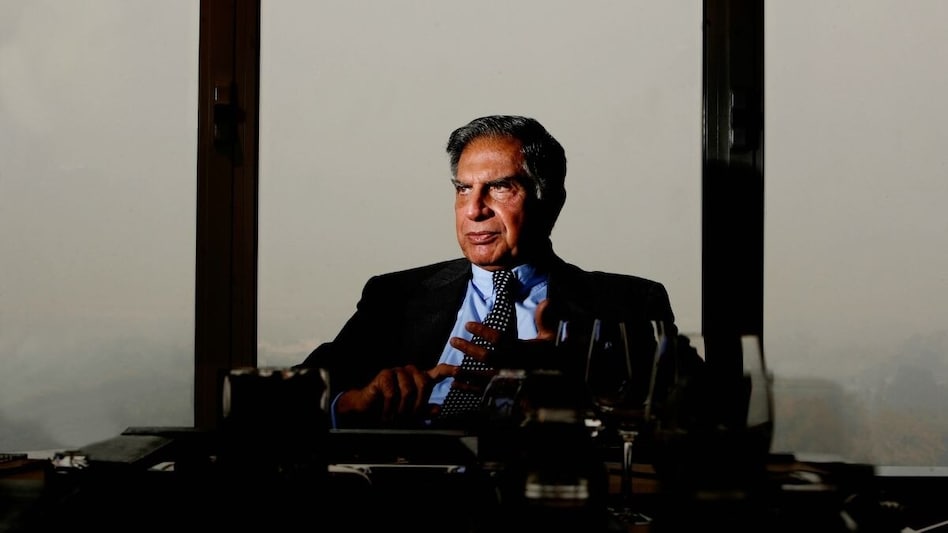
 Under Ratan Tata's leadership, the Tata Group evolved from a primarily Indian company to a global conglomerate while maintaining its ethical foundation.
"If there are challenges thrown across, then some interesting, innovative solutions are found. Without challenges, the tendency is to go on the same way,” a powerful quote by Ratan Tata, reminds us of the importance of passion and value.
Embracing difficult obstacles prevents complacency and forces organisations to innovate rather than settle for minor, incremental changes.

 Tim Cook leaves a trillion-dollar machine. John Ternus must build Apple’s next growth story
 HDFC Bank CEO exit: How share price may react to Sashidhar Jagdishan's decision
 Popular forest trail becomes burial site: Nepal begins mass burials of unidentified victims
  West Asia tensions: Oil prices up 1% following US strike on Iranian launch sites in Hormuz
  PM Modi, Xi Jinping, Vladimir Putin to meet in Bishkek at the SCO Summit: Trade, regional security, West Asia war on agenda
 Debt Funds Explained: Who Should Invest & How Much Debt Should Be In Your Portfolio?
 FD Or Debt Fund: Which Can Offer Better Returns, Tax Benefits & Liquidity?
 Why Meta Could Be Fined $1.4 Trillion! Instagram-Facebook Could Change Forever
 Gold Price Outlook: Can Festive & Wedding Demand Push Prices Higher In India?
 Gold Price Rally: Why Gold Surged 16% In August; Key Triggers Behind The Comeback
 TCS, Engineers India, SAIL among top stocks to buy; check price targets, upside potential & more
 Defence stock: Multibagger with 2,100% returns in focus today; here's why
  HDFC Bank CEO: Internal or external candidate, which option will largest private lender pick?
 HDFC Bank shares: Market bets on next MD and CEO; Bharucha, Jimmy Tata, Hitendra DaveHDFC Bank CEO exit: How share price may react to Sashidhar Jagdishan's decision
 From energy to chip fabs: Nvidia CEO calls AI the engine reindustrialising America & reviving local jobsTCS, Engineers India, SAIL among top stocks to buy; check price targets, upside potential & more
 LPG, CNG, PNG prices today, August 31: Check latest rates in Delhi, Mumbai, Kolkata, other cities
 Tim Cook’s exit isn’t the end: His next role at Apple will be…Debt Funds Explained: Who Should Invest & How Much Debt Should Be In Your Portfolio?












