


 The probe found that individual investors were not informed about the risks of investing in the bonds.
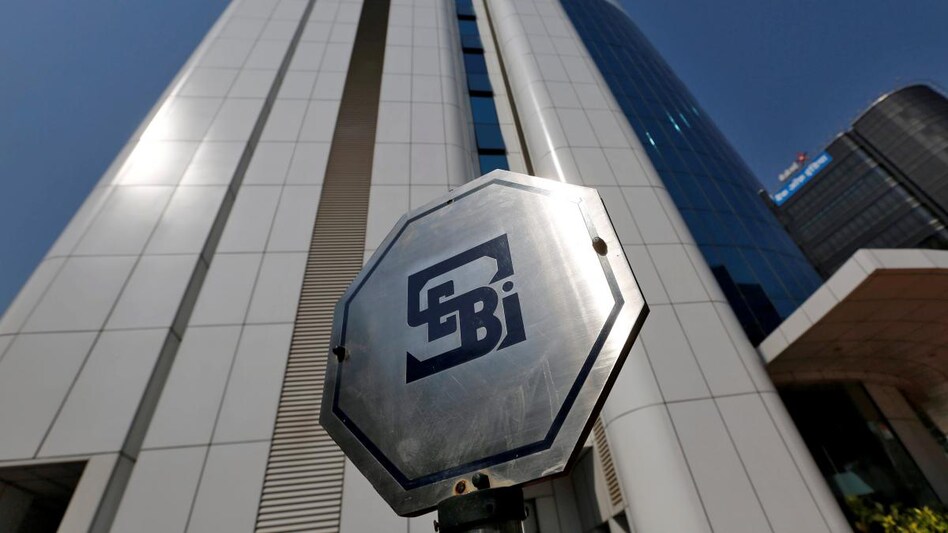
The Securities and Exchange Board of India (SEBI) has imposed a monetary penalty of Rs 2 crore on Rana Kapoor, the former managing director of Yes Bank for allegedly mis-selling Additional Tier 1 Bonds (AT1 bonds) to retail investors. According to the capital market regulator, Kapoor, who was the managing director of the bank from 2004 to 2019, instructed the then private wealth management team of the private sector lender to resell AT1 bonds from institutional investors to retail investors.
More importantly, the probe found that individual investors were not informed about the risks of investing in the bonds.

 Subhash Chandra insolvency case: 'I've been vilified across country over ₹6.5 crore repayment plan,' says media baron
 Tata Sons chairman succession delayed as Sir Ratan Tata Trust seeks approval to join search panel : Report
 DGCA notes ‘serious findings’ in India’s top airlines during safety audits: Report
 John Ternus salary: How much will he earn as Apple CEO?
  Power crunch ahead? Weak monsoon cuts hydro output as India’s electricity demand stays elevated
 Nifty Cracks 23,800: Expert Warns Of Further Downside As Crude Oil Nears $97; What Next?
 Maruti, Hyundai Exports Hit: West Asia Crisis Disrupts Shipments; Will FY27 Face More Pain?
 Gold, Silver Outlook: Why Experts Prefer Silver Amid Rising Bond Yields; Buy Gold On Dips?
 India GDP Grows 7.8%: Modi Hails Growth, BJP Hits Back At Rahul Gandhi's 'Economic Tsunami'
 How China Is Winning The Humanoid Robot Race
 Nifty mover | ICICI Bank eyes top heavyweight spot as HDFC Bank, RIL slide
 SBI Funds, Zydus Life, CemIndia, GIC RE among stocks with fresh brokerage interest for upto 55% rise
 BSE holds talks to boost participation in Closing Auction System: Report
  RR Kabel, KEI Industries, Polycab India shares tumble; JM Financial downgrades stocks, revises targets
 HDFC Bank, PB Fintech, Parag Milk Foods: Top stocks to buy | Check key levels, targets & stop lossNifty mover | ICICI Bank eyes top heavyweight spot as HDFC Bank, RIL slideSBI Funds, Zydus Life, CemIndia, GIC RE among stocks with fresh brokerage interest for upto 55% rise
 2020 Disha Salian case: CBI to probe Sushant Singh Rajput manager's death, FIR to be registeredBSE holds talks to boost participation in Closing Auction System: Report RR Kabel, KEI Industries, Polycab India shares tumble; JM Financial downgrades stocks, revises targets












