


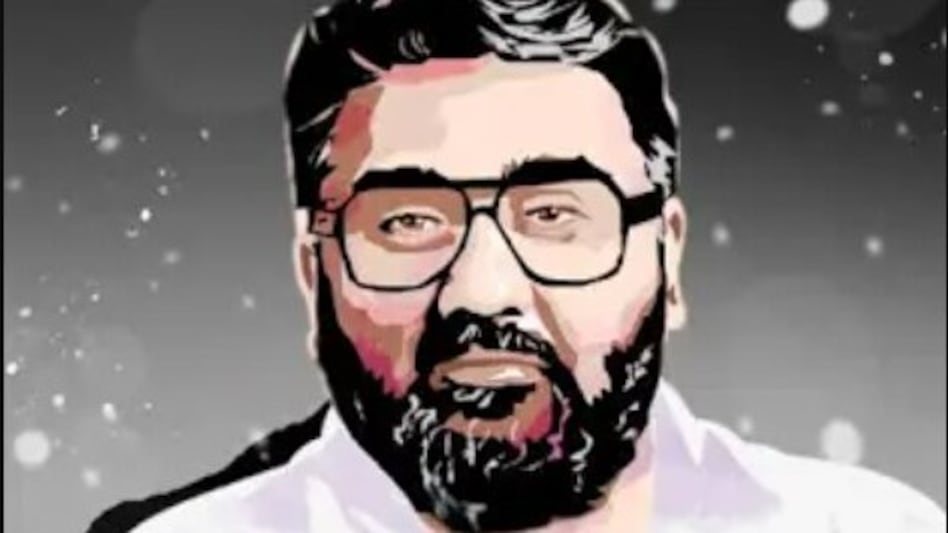
 Kunal Shah
Weighing in on the rapid advancements in artificial intelligence (AI) and its impact on software development, CRED founder Kunal Shah stated that while AI is significantly reducing the time and cost of building software, efficiency alone does not equate to success.
"AI cutting down software development time and cost is like cheaper and faster construction of a building," he wrote. "You still need the right location and architecture. Speed alone won’t guarantee success."

 FII buying at 5-year high, Nifty profits up 22% and valuations ease: Is India's bull market back?
 Jensen Huang owned 870 million Nvidia shares: Why that wasn't enough to control the board
 ‘They’re all coming up into good shape’: Sunil Bharti Mittal talks about succession, brings up sons, daughter, nephews
 US assures India of lower tariffs than peers under proposed trade deal: Report
 Recent market rally proved time in the market and not timing delivers better outcomes: Navneet Munot of HDFC AMC
 PM Modi: Govt Limits Diesel Price Hike To ₹7, Absorbs ₹43 Burden To Protect Farmers
 PM Modi Links 4% Farm Growth To 50 Crore Indians Escaping Poverty In Just 12 Years
 J&K Security Alert: 2 Attacks Across 3 Districts Trigger Alert; LeT Hunt Intensifies
 Nvidia's $500 Billion Stock Rout: Jensen Huang Exit, China Row & What Happens Next?
 Not America, Not China. Tomorrow Is Only For India': Chandrababu Naidu's Big Tech Push
 FII buying at 5-year high, Nifty profits up 22% and valuations ease: Is India's bull market back?Recent market rally proved time in the market and not timing delivers better outcomes: Navneet Munot of HDFC AMC
 Retail investors pour $1.6 billion into Nvidia in 3 days: Are they buying the dip or catching a falling knife?
 Mazagon Dock, Cochin Shipyard report weak Q2 earnings; fresh price targets and more
 NATCO Pharma Q2 results: Consolidated net profit falls 61% to Rs 203 crore
 Motorola Signature 27 vs Samsung Galaxy S26 Ultra: Which flagship offers more for your money?
 ₹18.90 lakh Mahindra SUV at ₹51 lakh in UK? Three Indian EVs bring a price surprise
 'Even Mannat was beyond our means': Shah Rukh Khan reveals his biggest dream in life‘They’re all coming up into good shape’: Sunil Bharti Mittal talks about succession, brings up sons, daughter, nephewsFII buying at 5-year high, Nifty profits up 22% and valuations ease: Is India's bull market back?












