

 Representative Image
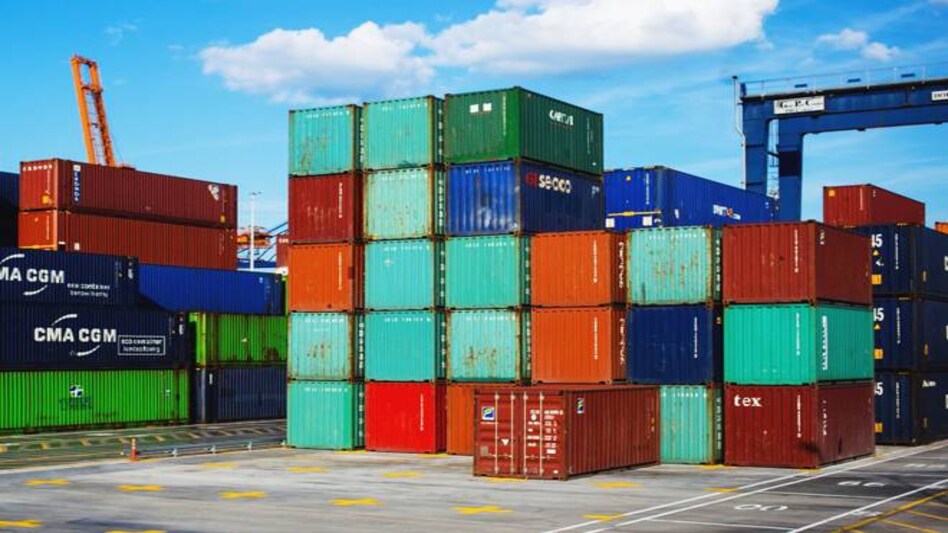
With stocks of packaged food depleting and farmers across India stranded with market-ready produce, the consumers, producers and logistics players are fighting a bureaucratic battle to keep India stocked up and fed in the times of COVID-19 lockdown. In its latest directive, the Ministry of Home Affairs reiterated that state governments should facilitate inter-state and intra-state movement of all trucks and other goods carriers without any permit or approval as long as the driver has a valid driving licence.
It also directs the states that empty trucks and good carriers should also be allowed to operate while on the way to pick up goods or returning after the empty delivery. This is subject to strict adherence to hygiene and social distancing. The direction comes after logistics operators complained about trucks getting stranded at state borders and also movement of drivers and authorisation that most state governments were asking for to let the consignments pass through the state borders.
 BT Weekender: Planning to fly with your pet? You have company
 Delhi on alert ahead of CJP protest: Traffic curbs, metro disruptions, internet restrictions imposed
 US visa uncertainty: Where can Indian tech professionals find jobs beyond America?
 Rupee under pressure: SBI Research wants RBI to prioritise currency stability alongside inflation
 iPhone Duo price comparison: How much does Apple's foldable phone cost around the world?
 Silver Investment Outlook: Why Gen Z Should Watch This Metal's Long-Term Growth Potential
 Gold Price Outlook: Is This the Right Time to Invest? Expert Sees Potential for New Highs
 India Slams US PERM Suspension, Says JD Vance’s ‘Indentured Servants’ Remark Is Offensive
 Govt Plans Tighter Rules For Prescription Drug Ads, Pharmacies And Wholesalers In Focus
 Apple May Unveil Touchscreen MacBook, OLED iPad Mini In October: What To Expect
 Market on the back foot, opportunities ahead: where should investors put their money?
 Poonawalla Fincorp Q2 earnings: Net profit zooms 405%, NII at Rs 1,589 crore
  Vedanta, TCS shares to turn ex-dividend; Ola rights issue; 2 stock splits next week
 IPO rush: Rs 50,000 crore worth IPOs to hit Street by Diwali; Jio, Avada to lead fundraise
 Adani Ports, GMR Airports rise up to 5% amid block deal reports; check details
  Russia to supply diesel to US amid fuel crisis; Zelenskyy says deal will prolong Ukraine war
 Delhi traffic advisory for October 10: 30 roads to face diversions amid CJP protestRupee under pressure: SBI Research wants RBI to prioritise currency stability alongside inflationDelhi on alert ahead of CJP protest: Traffic curbs, metro disruptions, internet restrictions imposed
 7-seaters starting @ just ₹5.73 lakh! These cars could be the family cars you’ve been waiting for












