


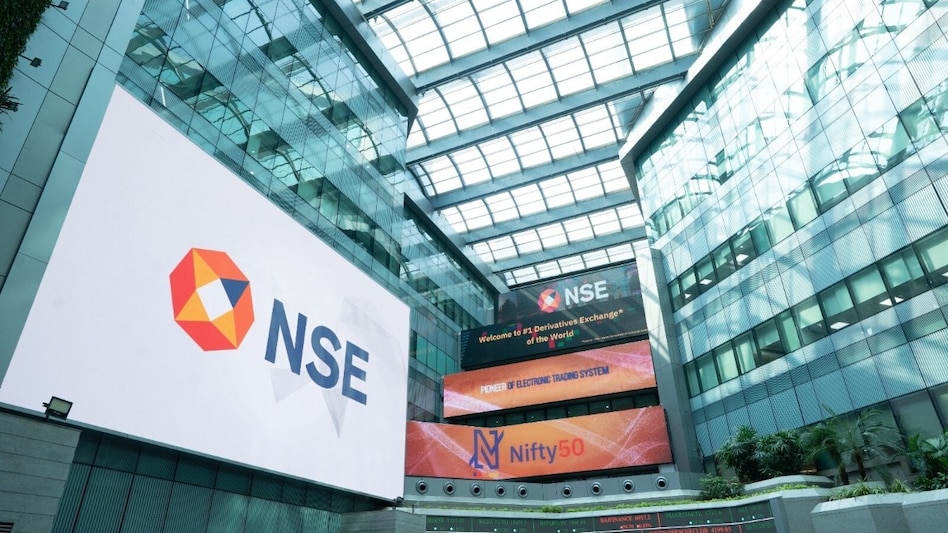
 According to the World Federation of Exchanges, NSE is also the largest equity derivatives exchange globally.
NSE, India’s largest stock exchange, took a huge step towards its public listing after it filed its draft red herring prospectus (DRHP) with the Securities and Exchange Board of India on Wednesday. NSE formally began operations only in 1994. However, in a little over three decades, it now commands a dominant position in various equity cash and derivate segments.
According to the World Federation of Exchanges, NSE is also the largest equity derivatives exchange globally. The DRHP notes that NSE had a global market share of 11.38 per cent in number of trades in cash equities and 51.18% in contracts traded in equity derivatives in the financial year 2026.

 'Vietnam revised GDP by 25% in 2019': Economist explains why last year's estimate changed
 NITI Aayog launches new platforms to scale up electric truck adoption
 'Beginning first round of reductions': JLR confirms 4,000 job cuts over next 2 years
 Honda outsells Hero MotoCorp for second straight month in August
  India goes big on defence: Rs 1.10 lakh crore acquisition plan cleared. What Army, Navy, IAF will get
 Non-Local Electric Bus Software Is A National Security Risk, Warns Eka Mobility Chairman Sudhir Mehta
 Mounjaro Sales Surge 502%: Why GLP-1 Drugs Are Taking Over India’s Pharma Market
 Auto Stocks Outlook: Why Investors Should Be Cautious Despite New Model Launches And Strong Demand
 U.S.-Iran War, Elevated Crude Hit Indian Stocks: Can Nifty Reverse Its Downward Trajectory Now?
 Crude Oil, Gold & Silver: What’s The Next Big Move? | Kunal Shah
 Tata Steel, Hindustan Copper, Lloyds Engineering shares: Expert weighs in; names top pharma, broking bets
 Adani Power secures LoI to acquire GVK Energy; details here
 Two upper circuits for Sterlite Technologies shares as firm discloses FY29 targets
 Sensex falls 383 points, Nifty settles at 23,779; IT, metals among top drags
 APL Apollo Tubes, KDDL, Globus Spirits among 11 stocks to turn ex-dividend tomorrow'Vietnam revised GDP by 25% in 2019': Economist explains why last year's estimate changed
 Geopolitics Is Now A Business Priority
 Ahmedabad Gets A Major Aviation Boost: Why The Hub-And-Spoke Model Could Be A Game Changer
 Sustained Competitiveness Is The Key To Growth
 Maruti Baleno Facelift Launched At Rs 6.10 Lakhs












