

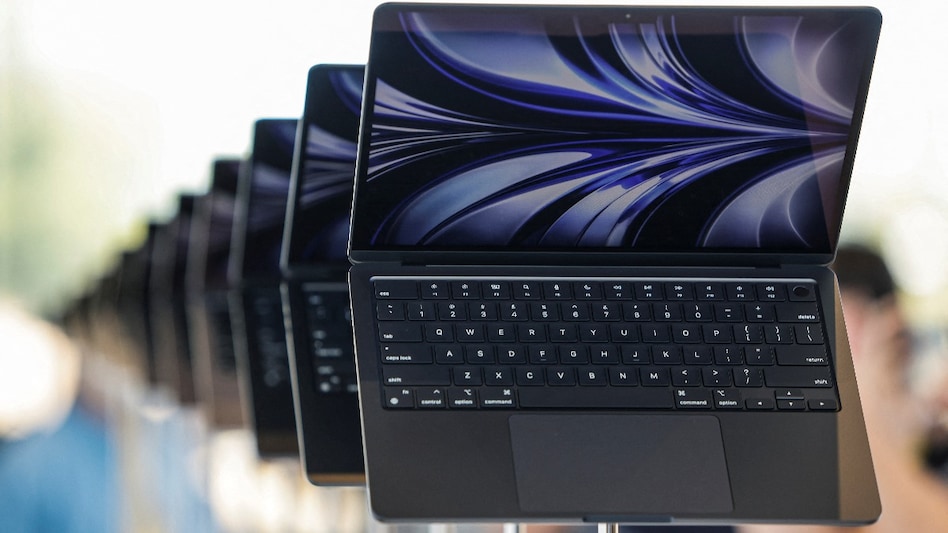
 India has made considerable progress over the past few years in the domestic laptop manufacturing ecosystem
 Laptops have become indispensable tools for modern life, shaping our personal and professional lives. For a country with India's demographic capital, a shift from content consumption to content creation is essential to unlock our full potential as a nation. The domestic laptop market, growing at 15% annually, presents a significant opportunity—driven by digital adoption across education, business, and personal productivity. Moreover, the importance of laptops is becoming vital for students in an AI world, aiding their academic excellence while stimulating innovation and creativity. However, while demand is rising, achieving true digital equality across the population requires reimagining laptops that work for us while tackling the challenge of affordability. Therefore, a robust local manufacturing ecosystem is essential—not just for cost efficiency, but for enabling innovation, self-sufficiency, and global relevance.
Recognising the strategic significance of a robust domestic laptop manufacturing ecosystem, India has made considerable progress over the past few years. A number of players including multinational companies such as Dell, HP, Lenovo, and domestic companies like VVDN Technologies, Syrma SGS, and Dixon Technologies have established manufacturing facilities in different states, contributing to local production, job creation and technology and design knowhow—which aligns with the government’s broader push to prioritise innovation-driven manufacturing
 BT Infra Summit 2026: What will power India's next growth spurt?
 BT Infra Summit 2026: How Sagarmala 2.0 is going to steer India's maritime growth
 Why Bloomberg isn't ready to add Indian bonds yet despite sweeping market reforms
 BT Infra Summit 2026: India's energy security needs a new playbook as clean power, storage and grid modernisation take centre stage
 ITR filing 2026: WazirX launches free crypto tax reporting platform ahead of ITR deadline
 Data Centres, Space & A Stable Rupee: India's Blueprint For The Next Growth Cycle
 Red Sea Crisis: How Global Shipping Lines Are Navigating Another Major Disruption
 Why EV Trucks Are Still Missing From India's Highways | BT Infrastructure Summit 2026
 #BTInfrastructureSummit: Powering India's New Growth Spurt With Infra, Investment & Innovation
 Why Indians Feel Foreign Infrastructure Is Better: Hitachi India CEO Breaks It Down
 Maruti Suzuki Q1 results: Profit slips 9% YoY to Rs 3,447 crore; revenue climbs 36%
 ITC Q1 results: Profit slips 16% to Rs 4,394 crore YoY; revenue climbs 28%
 BTTV Exclusive: M&M CEO Rajesh Jejurikar on Q1 earnings, business outlook, order book and more
  Nifty IT stocks rebound in July as semiconductor shares falter; reverse AI trade at play?
 Dixon Technologies Q1 earnings: Net profit at Rs 718 crore, revenue rises 21%
 Can AI Create Wealth For Everyone? DSCI CEO Explains The FutureData Centres, Space & A Stable Rupee: India's Blueprint For The Next Growth CycleRed Sea Crisis: How Global Shipping Lines Are Navigating Another Major DisruptionWhy EV Trucks Are Still Missing From India's Highways | BT Infrastructure Summit 2026#BTInfrastructureSummit: Powering India's New Growth Spurt With Infra, Investment & Innovation










