

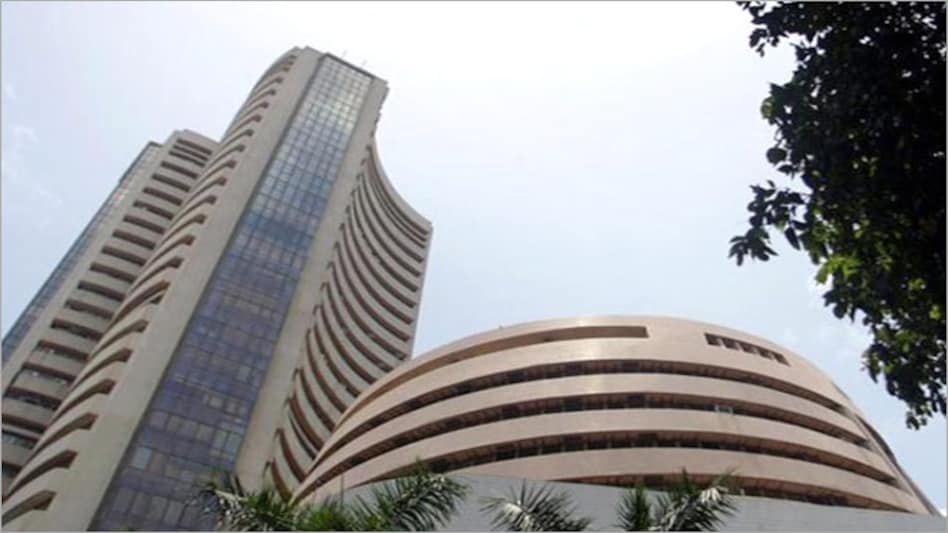
A complex interplay of macro factors is making the market move into an optimistic bullish zone touching all time highs with the BSE Sensex within striking distance of the 22,000 mark and the NSE Nifty surpassing the 6,500 levels. However, to put it in context, the Sensex had crossed the 21, 000 level for the first time in January 2008 and today in March 2014, after more than six years, we are still around the same levels.
However, during the same period, earnings in the form of the Sensex EPS (earnings per share) have risen from around Rs 850 to an expected Rs 1,550 for fiscal year 2015. Hence, the valuations which used to be almost 25x PE (price-earnings ratio) are currently around 14x for fiscal year 2015.
 Tata Capital roadmap: 100% micro-housing growth, 500 gold loan branches and more
  Your UPI payments could soon be more private; NPCI plans to mask phone numbers on UPI apps
 N Chandrasekaran's ₹685 crore pay in 5 years: The figure that stands out in Tata Sons' latest annual report
 Bengaluru restaurants to boycott Swiggy, Zomato from August 15. Here's why
 Weight loss drugs come with a new lifestyle. And Tata is already preparing for it
 Cauvery Row Escalates: CWRC Orders Karnataka To Release Water To Tamil Nadu As Tensions Rise
 CJP Paper Leak Row: Fresh Crisis Erupts Over FIR Withdrawal Promise After Pradhan Resigns
 PM Modi Reviews Economy, Technology & Energy Priorities; Pushes Major Governance Reforms
 I.T. Index Surges! Why Experts Are Bullish On Persistent, LTM & Midcap I.T. Stocks
 BT Infra Summit 2026: Policymakers & Leaders To Outline 'Infra India 2047' Vision In Delhi
 Adani Ports Q1 results: PAT rises 10% YoY to Rs 3,650 crore, revenue climbs 19%; shares slip
 Beauty Garage files IPO papers with SEBI; check key details
 Swiggy shares hit three-month high, up 11% in two sessions; what's fueling the rally?
  Adani Ports, Adani Enterprises Q1 results today: Key things investors should watch
 Suzlon shares fall 14% after Q1 results: Should you buy now? Check targets, upside & more
 NEET paper leak case: Court allows three more days to CBI to file chargesheet annexures; hearing on Aug 3Cauvery Row Escalates: CWRC Orders Karnataka To Release Water To Tamil Nadu As Tensions Rise
 ChatGPT now a shopping destination: What GoKwik and PayU's ChatGPT integration means for online shopping in IndiaCJP Paper Leak Row: Fresh Crisis Erupts Over FIR Withdrawal Promise After Pradhan ResignsPM Modi Reviews Economy, Technology & Energy Priorities; Pushes Major Governance Reforms










